
Why Handmade Home Accessories Are Gaining Everyday Relevance
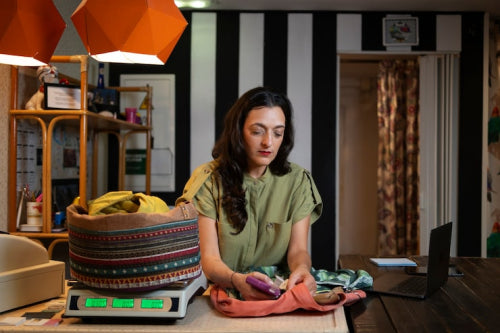
In recent years, handmade home accessories have moved from niche appeal to everyday relevance in living spaces around the world. Shoppers no longer settle for mass-produced uniformity; they seek objects that carry the imprint of human hands cozy handwoven throws, one-of-a-kind ceramic vessels, delicately carved wooden trays that infuse rooms with personality, warmth, and intention. This quiet but persistent shift is especially noticeable across India, the United States, Singapore, Australia, the United Kingdom, and the United Arab Emirates, where cultural, economic, and lifestyle currents are converging to elevate artisanal craftsmanship.
The turning point came during the prolonged periods spent at home in 2020–2021. What began as a practical response to extended lockdowns fresh curtains here, a new table runner there matured into a deeper appreciation for objects that feel authentic rather than anonymous. Today's buyers want their surroundings to reflect values: sustainability, ethical production, cultural heritage, and individuality. Handmade pieces answer that desire more convincingly than factory lines ever can.
The India Soap Market was valued at USD 4.03 Billion in 2024, and is expected to reach USD 6.89 Billion by 2030, rising at a CAGR of 7.89%. The India Soap market is witnessing robust growth, owing to the increasing awareness about personal hygiene, especially following the COVID-19 pandemic, which boosted the demand for soaps. Rising disposable incomes, urbanization, and evolving lifestyles contribute significantly to this growth, as consumers prioritize skincare and health. The market is also influenced by changing consumer preferences, with a growing shift towards organic, natural, and eco-friendly products.
Fast fashion erodes cultural heritage, sidelining artisans and reducing traditions to trends. At IndieHaat, we champion India's craftspeople with handcrafted sarees, apparel, décor, and skincare rooted in authenticity. Each piece embodies skill and ethical care. Support artisans and preserve India's timeless legacy Shop Now!
The Surge in Sustainable and Ethical Choices
Environmental consciousness now ranks among the strongest drivers of purchase decisions in home décor. Urban Indian consumers, in particular, show growing enthusiasm for items that respect both tradition and the planet. Direct-from-artisan platforms have made it easier to support rural makers while acquiring goods produced with minimal ecological footprint.
Across the Atlantic, American households continue to deepen their commitment to sustainable home goods. Online searches and sales data reveal steady preference for accessories crafted from natural fibers, reclaimed wood, or upcycled components that reduce waste.
Singapore's design-aware population has responded enthusiastically to government-backed efforts that spotlight local artisans and eco-responsible production methods. Meanwhile, Australia and the United Kingdom have embraced the broader “slow living” philosophy favoring fewer, better-made possessions over constant turnover. Surveys consistently show that significant portions of consumers in both countries are prepared to pay a premium for uniqueness and ethical provenance.
In the UAE, where luxury has long been defined by opulence and brand prestige, a parallel but distinct trend has emerged: appreciation for exclusive, hand-finished pieces that blend regional heritage with contemporary aesthetics, frequently unveiled at high-profile design gatherings.
E-commerce and Social Media as Powerful Catalysts
Digital infrastructure has removed traditional geographic and logistical barriers that once confined handmade goods to local markets or specialty boutiques. Global marketplaces such as Etsy have democratized discovery, allowing makers from remote regions to reach international audiences with ease.
In India, homegrown platforms perform a vital role by connecting village artisans many working in tier-2 and tier-3 towns with buyers in metropolitan centers and abroad. Reliable logistics and intuitive user interfaces have turned what was once an occasional purchase into a regular habit for thousands of households.
In the United States and United Kingdom, Instagram, Pinterest, and TikTok function as virtual showrooms. Influencers and everyday users showcase how a single hand-block-printed cushion or hand-thrown planter can transform an entire room, creating viral demand that traditional retail channels struggle to match.
For consumers in Singapore and the UAE, sophisticated e-commerce experiences combined with dependable cross-border delivery have opened access to the finest international craftsmanship while reinforcing pride in regionally produced work.
The market size of soap industry in India was approximately USD 3.77 Billion in 2024. The market is projected to grow at a CAGR of 6.80% between 2025 and 2034, to reach USD 7.28 Billion by 2034. 20242018-20242025-2034 Premium soap bars (skin protection) and liquid body wash remain more urban-centric categories in India. As per the analysis of growth in India soap market, Herbal soaps, composed of essential oils and organic ingredients, are witnessing a surge in popularity due to the growing inclination towards natural products.
Illustrative Success Stories Across Markets
India provides some of the clearest evidence of the trend's strength. Marketplaces specializing in authentic handmade products have recorded impressive growth in categories such as home textiles, pottery, and wooden décor, proving that modern commerce models can successfully scale traditional skills without diluting their cultural essence.
In the United States, the long-standing leader in the handmade economy continues to report robust year-on-year increases in home-category sales, as buyers gravitate toward objects that carry a visible human narrative rather than sterile perfection.
Australian coastal communities display particular affinity for accessories made from native timbers, beach-found clays, and plant-based dyes materials that echo the surrounding environment and reinforce a sense of place.
The United Kingdom benefits from a lively calendar of craft fairs, independent design weeks, and seasonal markets that keep local makers in the public eye. In parallel, the UAE's design districts and international fairs have steadily expanded dedicated sections for bespoke, hand-finished home accessories that appeal to discerning buyers seeking both luxury and cultural depth.
Persistent Challenges in a Growing Sector
Rapid expansion brings inevitable friction. Artisans and small producers in India and the UAE frequently face inconsistent access to high-grade raw materials, making it difficult to deliver uniform quality at scale. Buyers, now more knowledgeable than ever, notice variations that once went unnoticed.
In wealthier Western markets the US and UK price sensitivity remains a hurdle. Handmade items almost always carry a higher cost than comparable mass-produced alternatives, requiring sellers to master the art of communicating value effectively.
Logistical realities continue to complicate matters in Singapore and Australia, where shipping large or delicate pieces across long distances or through island networks can erode margins and delay delivery. Platform overcrowding also poses a risk: the sheer volume of listings on major marketplaces makes visibility a constant struggle for individual creators.
Substantial Opportunities Waiting to Be Captured
Despite these obstacles, the fundamentals point toward sustained expansion. Expanding middle-class populations in India and the UAE are gaining both the means and the inclination to invest in quality home accessories that signal taste and responsibility.
Strong consumer appetite for personalization in the United States and United Kingdom creates fertile ground for made-to-order services, limited-edition collaborations, and truly bespoke pieces that no algorithm can replicate.
Australia and Singapore host growing communities of buyers who actively seek out low-impact, responsibly sourced materials exactly the niche where many handmade producers already excel. Forward-thinking businesses are experimenting with subscription models that deliver seasonal or limited-run handmade accents directly to doorsteps, while strategic partnerships between heritage artisans and contemporary designers are yielding fresh, marketable collections that bridge generations.
A Future Rooted in Craftsmanship
Handmade home accessories have transcended trend status; they now represent a meaningful counterweight to disposability and uniformity in an era defined by speed. Across the six markets examined here, the combination of heightened environmental awareness, digital accessibility, rising purchasing power, and renewed desire for authenticity creates powerful tailwinds.
Success in the years ahead will belong to those who communicate the human story behind each piece, maintain rigorous quality standards, invest thoughtfully in digital presence, and remain uncompromising on ethical principles. When makers and sellers honor those priorities, the objects they create do far more than decorate a room they quietly reaffirm that care, skill, and intention still matter in everyday life.
Frequently Asked Questions
Why are handmade home accessories becoming more popular than mass-produced décor?
Handmade home accessories are growing in popularity because today's buyers want their living spaces to reflect personal values sustainability, ethical production, cultural heritage, and individuality things mass-produced items simply can't offer. The shift accelerated during 2020–2021, when extended time at home deepened appreciation for objects that feel authentic rather than anonymous. Handcrafted pieces like woven throws, ceramic vessels, and carved wooden trays bring warmth and personality that factory lines can't replicate.
Where can I buy sustainable and ethically made handmade home accessories online?
Global platforms like Etsy have made it easy to discover handmade home goods from artisans around the world, while region-specific marketplaces in countries like India connect rural makers directly with buyers in metropolitan areas and abroad. Social media platforms like Instagram, Pinterest, and TikTok also serve as powerful discovery tools, where influencers showcase how a single handmade piece can transform a room. For buyers in Singapore and the UAE, reliable cross-border e-commerce has further expanded access to internationally crafted goods.
Are handmade home accessories worth the higher price compared to mass-produced alternatives?
Yes handmade home accessories justify their premium through uniqueness, craftsmanship, and ethical value that mass-produced items lack. Surveys from markets like the UK and Australia show a significant share of consumers are willing to pay more for goods with ethical provenance and one-of-a-kind character. Beyond aesthetics, each handcrafted piece carries a human story and is often made with natural, sustainable materials making it a more meaningful and lasting investment for your home.
Disclaimer: The above helpful resources content contains personal opinions and experiences. The information provided is for general knowledge and does not constitute professional advice.
You may also be interested in: The Importance of Handmade Jewelry in Indias Fashion Industry
Fast fashion erodes cultural heritage, sidelining artisans and reducing traditions to trends. At IndieHaat, we champion India's craftspeople with handcrafted sarees, apparel, décor, and skincare rooted in authenticity. Each piece embodies skill and ethical care. Support artisans and preserve India's timeless legacy Shop Now!
Powered by flareAI.co