
How Buyers Compare Handmade and Mass-Produced Alternatives
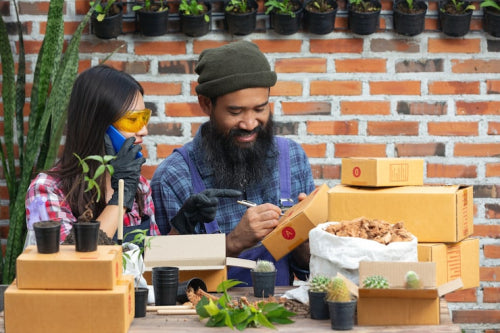
In an era defined by rapid consumption and mounting environmental concerns, the longstanding comparison between handmade and mass-produced goods has evolved into a meaningful reflection of personal values, craftsmanship priorities, and long-term impact. Today's discerning shoppers routinely balance the appeal of affordability and immediate availability against the deeper rewards of authenticity, ethical production, and singular design. This dynamic plays out with particular clarity across six distinctive markets India, the United States, Singapore, Australia, the United Kingdom, and the United Arab Emirates where cultural heritage, economic conditions, and sustainability awareness intersect in different ways. Platforms such as IndieHaat are amplifying the conversation by connecting buyers directly with skilled artisans who create distinctive garments using only authentic linen, silk, and cotton fabrics.
Fast fashion erodes cultural heritage, sidelining artisans and reducing traditions to trends. At IndieHaat, we champion India's craftspeople with handcrafted sarees, apparel, décor, and skincare rooted in authenticity. Each piece embodies skill and ethical care. Support artisans and preserve India's timeless legacy Shop Now!
Why This Comparison Carries New Weight in 2026
Fast fashion continues to flood global wardrobes with inexpensive, uniform clothing, yet a growing segment of consumers actively seeks alternatives that tell a story and respect both people and planet. Handmade pieces distinguish themselves through visible human touch subtle variations in weave, thoughtful detailing, intentional material choices qualities impossible to replicate at industrial scale.
At the same time, three persistent objections slow wider adoption: markedly higher prices that reflect true labor and material costs, understandable hesitation to trust online descriptions of quality and origin, and the fundamental limitation of not being able to handle the fabric before purchase. These concerns appear consistently whether the shopper lives in Mumbai, Manhattan, Marina Bay, Melbourne, Manchester, or Dubai, even as appetite for more responsible choices steadily increases.
Regional Preferences Reveal Distinct Consumer Mindsets
Buying behavior shifts noticeably from one geography to the next, influenced by local history, policy direction, and prevailing attitudes toward consumption.
In India government-backed initiatives continue strengthening traditional handloom communities while city dwellers show rising interest in traceable, artisan-made clothing that supports rural livelihoods. The emphasis remains firmly on preserving cultural techniques amid accelerating urban growth.
Across the United States sustainability has moved from fringe concern to mainstream priority, particularly in coastal and progressive urban centers. Online discovery channels allow buyers to explore small-batch and ethically focused labels that feel meaningfully different from ubiquitous chain offerings.
Singapore's compact, high-income market consistently rewards exceptional craftsmanship and limited-edition runs. Public-sector encouragement of greener production methods aligns neatly with consumer preference for refined, exclusive handmade objects that convey sophistication.
Australia demonstrates strong attachment to goods produced within its borders, especially apparel, homewares, and accessories. The steady expansion of slow fashion principles underscores demand for items built to last rather than garments designed for short lifecycles.
In the United Kingdom enthusiasm for domestically crafted and artisanal products has intensified in recent years. National pride combined with renewed appreciation for skilled makers in creative hubs such as London, Bristol, and Manchester drives the trend. According to IMARC Group research, the UK sustainable fashion market stood at USD 261.04 million in 2024 and is forecast to expand to USD 1,757.42 million by 2033, reflecting a robust compound annual growth rate of 23.60% between 2025 and 2033. Heightened consumer demand for genuinely ethical choices, wider adoption of circular and zero-waste approaches, and advances in environmentally sound manufacturing technologies are the principal forces behind this acceleration.
The UAE luxury segment increasingly embraces handmade work that carries deep cultural resonance. Affluent buyers view bespoke textiles, jewelry, and décor as markers of refined taste and heritage appreciation.
Real-Life Illustrations of the Handmade–Mass-Produced Divide
Concrete examples from each market illuminate how shoppers actually evaluate the two categories.
India's long-running Khadi revival demonstrates the power of heritage storytelling paired with modern e-commerce access. When buyers can connect straight to weavers and see pure, hand-spun fabrics without intermediaries, the perceived value frequently outweighs the price differential.
In the US online marketplaces dedicated to independent creators thrive because uniqueness and transparent sourcing often eclipse the convenience of mass-market uniformity. Brands that document their supply chains and environmental commitments tend to cultivate especially loyal followings.
Singapore's periodic artisan markets reveal how compelling narratives and superior tactile quality allow handmade items to capture attention and command premium positioning over generic substitutes.
Australian labels merging Indigenous techniques or time-honored methods with contemporary eco-awareness resonate strongly with consumers who place high importance on provenance and durability.
UK micro-producers across categories from apparel through home accessories consistently grow audiences by foregrounding the maker's skill and the care invested in every piece, offering a compelling counterpoint to large-scale retail chains.
In the UAE heritage craftsmanship in traditional forms such as intricate embroidery or hand-beaten metalwork elevates certain handmade categories to luxury status symbols sought after by those desiring culturally significant exclusivity.
Confronting the Most Common Buyer Concerns
Several barriers continue to temper enthusiasm despite the evident attractions of handmade production.
- Price sensitivity tops the list genuine artisan work requires substantial time, specialized skill, and premium raw materials, resulting in costs well above factory-made equivalents.
- Trust challenges emerge whenever physical inspection is impossible; many hesitate to rely solely on photographs, descriptions, or artisan claims.
- Absence of touch remains a decisive factor for tactile categories like clothing and home textiles, where feel and drape play central roles in the final decision.
Regional nuances modify these objections logistical difficulties reaching remote Indian artisans, cost-consciousness in parts of the US and UK, limited scale in Singapore, uneven awareness outside major Australian cities, and variable price tolerance in non-elite UAE segments yet the underlying issues remain remarkably consistent.
Encouragingly, broader industry momentum continues upward. One authoritative estimate places the global ethical fashion market at approximately $7,548.2 million in 2022, with projections indicating growth to $16,819.0 million by 2032 at a compound annual rate of 8.6% starting in 2027, largely propelled by sustained consumer emphasis on sustainability and equitable labor practices.
Strategic Openings That Favor Handmade Choices
Forward-thinking approaches are steadily eroding traditional obstacles.
India benefits from targeted financial support programs that help artisans scale production and reach international customers while preserving distinctive regional designs.
Digital storytelling gives US brands powerful tools to convey authenticity and environmental responsibility directly to shoppers, converting ethical principles into clear market advantage.
Singapore's preference for exclusivity allows makers to present limited-run handmade work as the ultimate premium offering within an already sustainability-minded audience.
Australia's expanding online ecosystem amplifies visibility for local creators, reinforcing the emotional and economic appeal of domestically produced goods.
The UK capitalizes on renewed interest in homegrown manufacturing, positioning artisanal output as a desirable, values-driven alternative to imported mass production.
In the UAE handmade objects increasingly anchor luxury narratives, especially when linked to cultural tradition and superior execution.
Supporting data from the UK ethnic wear sector further illustrates opportunity: revenue reached USD 1,481.8 million in 2023 and is anticipated to climb to USD 2,266.4 million by 2030, growing at a compound annual rate of 6.3%. Notably, online distribution is expanding fastest, creating fertile ground for authentic, artisan-direct channels.
What Ultimately Shapes the Decision and Where the Trend Is Headed
Shoppers tend to evaluate along three core dimensions: upfront cost versus intrinsic worth, convenience versus emotional resonance, standardization versus singular character. When the emphasis falls on narrative depth, verified material purity (linen, silk, cotton exclusively), verifiable ethical standards, and lasting quality, handmade alternatives frequently prevail particularly as transparency tools improve and awareness deepens.
By mid-2026 sustainability has firmly exited the niche category, compelling brands to close lingering trust gaps with detailed process documentation, high-resolution imagery, artisan video profiles, and robust return policies. Those that succeed in making craftsmanship feel immediate and trustworthy stand to capture growing preference across these six diverse yet increasingly connected markets.
Looking forward, the advantage tilts toward producers who transform abstract virtues fair wages, minimal waste, cultural continuity into concrete, touchable reality. For thoughtful consumers from Mumbai to Miami, Singapore to Sydney, London to Abu Dhabi, the once-simple trade-off is steadily becoming a deliberate expression of conviction, delivered one considered, artisan-crafted purchase at a time.
Frequently Asked Questions
Why are handmade products more expensive than mass-produced alternatives?
Handmade products reflect the true cost of skilled labor, specialized craftsmanship, and premium raw materials like linen, silk, and cotton — factors that factory production bypasses through automation and economies of scale. Each piece requires significant time and expertise, making the price a direct expression of its authentic value. For many buyers, this higher upfront cost is offset by superior durability, unique design, and the ethical satisfaction of supporting artisan livelihoods.
How is consumer demand for handmade and sustainable fashion growing globally?
Demand is rising sharply across key markets. The UK sustainable fashion market alone was valued at USD 261 million in 2024 and is projected to reach over USD 1.75 billion by 2033, growing at a 23.6% annual rate. Globally, the ethical fashion market is expected to nearly double from $7.5 billion in 2022 to $16.8 billion by 2032, driven by consumers prioritizing fair wages, environmental responsibility, and cultural preservation over fast-fashion convenience.
What are the biggest barriers to buying handmade products online, and how are they being addressed?
The three most common obstacles are higher price points, difficulty trusting quality without physical inspection, and the inability to feel fabrics before purchasing. Brands and platforms are tackling these challenges through detailed process documentation, high-resolution imagery, artisan video profiles, and transparent supply chain storytelling. Robust return policies and direct artisan-to-buyer connections — like those offered by platforms such as IndieHaat — are further helping to close the trust gap for online shoppers worldwide.
Disclaimer: The above helpful resources content contains personal opinions and experiences. The information provided is for general knowledge and does not constitute professional advice.
You may also be interested in: Why Consumers Are Turning to Handcrafted Products Over Mass
Fast fashion erodes cultural heritage, sidelining artisans and reducing traditions to trends. At IndieHaat, we champion India's craftspeople with handcrafted sarees, apparel, décor, and skincare rooted in authenticity. Each piece embodies skill and ethical care. Support artisans and preserve India's timeless legacy Shop Now!
Powered by flareAI.co