
How Traditional Weaving Techniques Are Preserved Across Generations
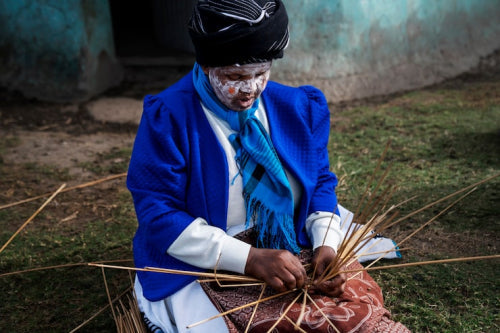
In villages where the clack of wooden looms still marks the rhythm of dawn, and in desert tents where geometric patterns once told stories of migration, traditional weaving refuses to become mere memory. These techniques slow, tactile, deeply human carry centuries of knowledge in every thread. Yet globalization and mechanization threaten to silence the looms forever unless deliberate efforts keep the craft breathing. This exploration of How Traditional Weaving Techniques Are Preserved Across Generations reveals how India, the UAE, Australia, the United Kingdom, and other societies are safeguarding these irreplaceable skills through policy, design innovation, community enterprise, and changing consumer values.
Fast fashion erodes cultural heritage, sidelining artisans and reducing traditions to trends. At IndieHaat, we champion India's craftspeople with handcrafted sarees, apparel, décor, and skincare rooted in authenticity. Each piece embodies skill and ethical care. Support artisans and preserve India's timeless legacy Shop Now!
The Quiet Power of Handwoven Cloth
Handloom weaving is more than technique; it is cultural autobiography. Each motif, color choice, and knot density speaks of geography, social structure, ritual, and survival strategies refined over generations. When these skills fade, unique regional aesthetics and the livelihoods tied to them disappear with them. The good news is that preservation is happening not through freezing traditions in amber, but through thoughtful evolution that respects origins while meeting modern realities.
India Scale, Policy, and High-Fashion Revival
India remains the world's most significant handloom ecosystem. The global handloom product market stood at USD 7.8 billion in 2023 and is forecast to reach USD 17.0 billion by 2033 (CAGR 8.1%), with India as the dominant contributor. Within the country, the broader textile and apparel sector was valued at USD 222.08 billion in 2024 and is projected to grow to USD 646.96 billion by 2033 at a CAGR of 11.98%. Government programs such as the National Handloom Development Programme supply upgraded equipment, design training, yarn subsidies, and dedicated marketing platforms. The Handloom Mark certification continues to help discerning buyers distinguish authentic handwoven pieces from power-loom imitations.
High-profile designers have become powerful allies. Sabyasachi Mukherjee and Manish Malhotra regularly feature khadi, ikat, Banarasi brocades, and hand-block prints in couture collections seen on international red carpets. Their collaborations channel substantial income to weaving communities while demonstrating that heritage techniques can command premium prices in contemporary luxury markets.
UAE Bedouin Heritage in Luxury Contexts
In the rapidly modernizing landscape of the United Arab Emirates, Al Sadu weaving characterized by bold geometric designs in wool and goat hair has moved from nomadic tents to five-star lobbies and fashion ateliers. Recognized on UNESCO's Representative List of the Intangible Cultural Heritage of Humanity since 2011, the craft benefits from deliberate efforts to keep it economically viable without losing authenticity.
Contemporary Emirati designers and international luxury brands now incorporate Al Sadu motifs into cushions, rugs, wall panels, and ready-to-wear accents. Cultural venues in Dubai and Abu Dhabi regularly exhibit the work of living weavers, connecting the tradition to younger Emiratis and global visitors who value provenance and cultural depth.
Australia Indigenous Fibre Work as Contemporary Art
In Australia's arid interior, Tjanpi Desert Weavers have transformed humble desert grasses into internationally respected contemporary fibre art. Operating under the Ngaanyatjarra Pitjantjatjara Yankunytjatjara Women's Council, the collective now involves more than 400 artists across 26 remote communities. What began in the mid-1990s as modest basket-making has evolved into large-scale sculptures and installations acquired by major museums.
The enterprise demonstrates how cultural continuity and economic empowerment can reinforce each other. Exhibitions, artist residencies, and collaborations with fashion and interior designers keep the practice visible while allowing weavers to control how their stories and materials are presented.
United Kingdom Harris Tweed and the Sustainability Premium
On Scotland's Outer Hebrides, the Harris Tweed industry operates under one of the world's strictest protected designations: cloth must be handwoven by island residents at home on treadle looms using 100% pure new wool, then finished in local mills. The orb trademark guarantees origin and quality.
The tweed's natural durability, breathability, and biodegradability align perfectly with current demand for traceable, low-impact textiles. Luxury brands, independent designers, and eco-conscious consumers have driven renewed interest, supporting several hundred active weavers and preserving a rare example of domestic hand production in a high-income economy.
Pressing Challenges Across Continents
Preservation is rarely smooth. In India, handloom weavers routinely face price competition from far cheaper power-loom and imported fabrics, making it difficult to cover even basic living costs despite government support. In the UAE and Australia, the push to scale production for luxury and tourist markets sometimes risks turning sacred or deeply contextual designs into decorative motifs stripped of meaning.
Common risks include:
- Generational discontinuity as younger people leave villages for urban jobs
- Cultural appropriation when outsiders commercialize motifs without permission or benefit-sharing
- Loss of specialized dye and fibre knowledge when raw-material ecosystems degrade
- Market saturation that depresses prices for authentic work
Effective responses share a common thread: decision-making power remains with the communities that own the traditions.
Economic and Cultural Opportunities
The upside is substantial. In India alone, handloom activity supports millions of rural livelihoods and contributes to projected textile export growth toward USD 100 billion by 2030. Australia's Tjanpi model shows how Indigenous-controlled enterprises can combine cultural maintenance with tourism revenue and art-market sales. The UAE demonstrates that positioning heritage crafts within luxury ecosystems can generate premium pricing while keeping skills in living hands.
Global consumers increasingly pay more for documented ethical production, natural materials, limited editions, and narrative depth precisely the qualities handloom traditions offer when presented thoughtfully.
Looking Forward A Living Inheritance
Traditional weaving survives where societies decide it matters enough to invest in people, not just products. That investment takes many forms: government schemes that improve infrastructure without controlling design, designers who treat artisans as creative partners rather than suppliers, collectors and curators who pay fair prices and credit originators, and consumers who understand that a handwoven shawl or rug carries far more than thread.
The looms will continue turning only if the next generation sees a viable, respected future in the work. When preservation efforts respect both heritage and human dignity, they do more than save techniques they keep entire ways of seeing and being in the world alive.
Frequently Asked Questions
How are traditional weaving techniques being preserved in modern times?
Traditional weaving techniques are being preserved through a combination of government policy, high-fashion collaborations, cultural recognition, and community-led enterprises. In India, programs like the National Handloom Development Programme provide equipment, training, and yarn subsidies, while designers such as Sabyasachi Mukherjee bring handloom fabrics to international runways. In Australia, the Tjanpi Desert Weavers collective empowers over 400 Indigenous artists across 26 remote communities. The key to successful preservation is keeping decision-making power with the communities that own these traditions.
Why is handloom weaving important for cultural heritage and local economies?
Handloom weaving is a form of cultural autobiography each motif, color, and pattern encodes centuries of geographic, social, and ritual knowledge that disappears when the craft fades. Beyond cultural value, it supports significant economic activity: India's handloom sector contributes to a textile industry projected to reach USD 646.96 billion by 2033, while sustaining millions of rural livelihoods. Globally, the handloom product market is forecast to grow from USD 7.8 billion in 2023 to USD 17.0 billion by 2033. When positioned thoughtfully, these crafts can command premium prices in luxury and ethical-consumer markets worldwide.
What are the biggest threats to the survival of traditional weaving practices?
The biggest threats include generational discontinuity as younger artisans migrate to cities for better-paying jobs, and fierce price competition from cheaper power-loom and imported fabrics. Cultural appropriation where outsiders commercialize sacred motifs without community consent or benefit-sharing is another serious risk, particularly in the UAE and Australia. Additional challenges include the loss of specialized dye and fibre knowledge as natural ecosystems degrade, and market saturation that drives down prices for authentic handwoven work. Effective preservation strategies consistently address these by centering the agency and economic interests of the originating communities.
Disclaimer: The above helpful resources content contains personal opinions and experiences. The information provided is for general knowledge and does not constitute professional advice.
You may also be interested in: Artisans in Kerala Preserve Palm Leaf Craft for Modern Homes
Fast fashion erodes cultural heritage, sidelining artisans and reducing traditions to trends. At IndieHaat, we champion India's craftspeople with handcrafted sarees, apparel, décor, and skincare rooted in authenticity. Each piece embodies skill and ethical care. Support artisans and preserve India's timeless legacy Shop Now!
Powered by flareAI.co