
What to Know About Banarasi Weaving Traditions
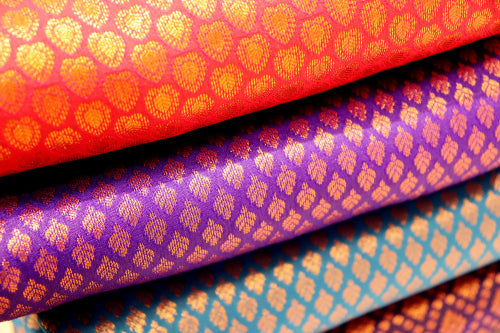
Banarasi weaving traditions stand as one of the most revered expressions of Indian textile craftsmanship, a living legacy passed down through generations of artisans in Varanasi. Rooted in centuries of royal patronage and masterful technique, these handwoven silks and brocades continue to captivate fashion enthusiasts who appreciate the intricate motifs, shimmering zari work, and cultural depth behind every thread.
Fast fashion erodes cultural heritage, sidelining artisans and reducing traditions to trends. At IndieHaat, we champion India's craftspeople with handcrafted sarees, apparel, décor, and skincare rooted in authenticity. Each piece embodies skill and ethical care. Support artisans and preserve India's timeless legacy Shop Now!
The Rich History of Banarasi Sarees
The origins of Banarasi weaving can be traced back to the Mughal era, when Varanasi artisans began creating luxurious brocades for royalty. Over time, these traditions evolved through cross-cultural exchanges and became synonymous with elegance and heritage. What began as a craft for the courtly elite gradually became a symbol of national pride, with every piece carrying stories of skill, trade routes, and artistic refinement.
Banarasi silk weaving embodies centuries of refinement, where motifs like floral borders, geometric patterns, and sacred symbols are woven into every thread. The craft not only preserves a way of life but also represents India's deep-rooted textile heritage, valued by both traditionalists and modern collectors who seek authenticity in their choices.
Traditional Banarasi Weaving Techniques
At the heart of Banarasi weaving lie techniques that have remained remarkably consistent across generations. Artisans use a handloom to create intricate designs, with zari work adding metallic sheen through the addition of gold and silver threads. Kadhua, tanchoi, and jangla methods allow for the creation of detailed motifs that set Banarasi pieces apart from other handwoven silks.
These traditional Banarasi weaving techniques require immense patience and precision. Each border or motif demands individual attention, ensuring that every handwoven Banarasi saree feels unique and true to its origins. The result is a texture and finish that no machine can replicate, combining durability with delicate beauty.
The Significance of Banarasi Silk Weaving
Banarasi silk weaving carries deep cultural weight, serving as more than mere fabric it is a carrier of identity and storytelling. The craft has sustained artisan communities in Varanasi for centuries, providing livelihoods and preserving intangible heritage. When you choose a handwoven Banarasi saree, you support traditions that have shaped India's fashion landscape for generations.
The beauty of Banarasi weaving lies in its ability to blend the old with the new. While rooted in royal commissions and trade legacies, the craft now inspires contemporary fashion, proving its timeless relevance. This balance of heritage and innovation makes Banarasi silk weaving a bridge between past and present, offering both aesthetic pleasure and cultural connection.
The Future of Banarasi Weaving in India
Recognizing the importance of these traditions, Uttar Pradesh has launched ambitious initiatives to revitalize the Banarasi sari ecosystem. A state-of-the-art textile park in Ramna, Kashi, is being developed under the leadership of Chief Minister Yogi Adityanath to support weaver communities and enhance productivity. Targeted for completion within one year, the facility will integrate modern infrastructure with traditional expertise.
Key components include dedicated raw material and yarn banks, a Bunkar Service Centre for technical support, zari and embroidery units, dyeing and processing facilities, and innovation spaces developed through collaboration with NIFT and the Indian Institute of Handloom Technology. Parallel efforts to obtain Silk Mark and Geographical Indication certification will strengthen consumer trust and authenticity, while a dedicated production and marketing platform will facilitate better traceability and brand value for Banarasi products. The Trade Facilitation Centre in Varanasi further expands domestic and international buyer access, positioning the region as a global hub for heritage textiles.
By addressing historical challenges such as limited design infrastructure and market linkages, this initiative not only preserves centuries-old weaving traditions but also creates sustainable employment and economic opportunities for artisans. The park aligns with national visions for promoting traditional industries through technology and market-led growth, ensuring that Banarasi weaving remains vibrant amid evolving consumer preferences. This forward-looking development underscores the government's commitment to balancing heritage preservation with modern innovation, offering a blueprint for how other Indian craft clusters can thrive. Ultimately, the textile park in Kashi will reinforce Banarasi's status as a cornerstone of Indian textile excellence, benefiting weavers, designers, and consumers alike while safeguarding a living cultural legacy.
Contemporary Design and Reinterpretation of Banarasi Weaves
While rooted in traditional techniques, Banarasi weaving has found new life in the hands of contemporary designers who blend heritage with modern sensibilities. From lightweight kaftans and tailored jackets to structured separates and reworked pre-loved pieces, this evolution maintains the core language of intricate zari work, delicate borders, and symbolic patterns while adapting to contemporary wardrobes that prioritize versatility and sustainability.
Techniques such as kadhua for individually woven motifs, tanchoi for multi-colored silk interlacings, and jangla for sweeping floral designs remain the foundation, yet their application now extends beyond ceremonial wear into everyday fashion and luxury collaborations. Weavers in Varanasi, who have sustained the craft through generations, collaborate closely with brands to translate contemporary patterns like houndstooth or checks into traditional brocades, demonstrating adaptability without dilution of authenticity.
This approach not only empowers artisans through ongoing engagement but also addresses sustainability by extending the life of existing textiles and appealing to younger consumers seeking ethical, traceable luxury. In a fashion landscape that values longevity and cultural depth, Banarasi weaves serve as a bridge between past and present, allowing the craft to thrive in global markets while honoring its roots in Mughal patronage and trade legacies. The result is a dynamic industry where tradition fuels innovation, ensuring that Banarasi craftsmanship remains relevant and accessible to new audiences who discover its beauty through carefully curated reinterpretations.
Why Banarasi Weaving Traditions Endure
The endurance of Banarasi weaving traditions stems from a combination of artistic excellence, cultural significance, and community resilience. What began as a royal craft has evolved into a global icon, appreciated for its craftsmanship and emotional resonance. Each handwoven Banarasi saree tells a story whether it is a family heirloom or a piece of wearable art making it more than fabric; it is a connection to heritage.
Today, the craft continues to thrive through innovation and market access. The future of Banarasi weaving looks promising, with initiatives like the Kashi textile park and designer collaborations ensuring that these traditions remain vibrant. By choosing authentic Banarasi pieces, consumers contribute to the preservation of a living legacy while embracing timeless elegance in their wardrobes.
The Timeless Art of Banarasi Weaving
Banarasi weaving traditions offer a window into India's rich textile heritage, where centuries of skill, creativity, and dedication come together in every shimmering thread. From the intricate techniques of zari work to the innovative reinterpretations by contemporary designers, this craft continues to evolve while honoring its roots. Understanding these traditions not only deepens appreciation for the art but also supports the artisans who keep them alive. Whether you are exploring heritage fashion or seeking authentic handcrafted pieces, the legacy of Banarasi weaving invites you to experience the beauty and significance of India's most celebrated textile traditions firsthand.
Frequently Asked Questions
What makes Banarasi weaving traditions unique in Indian textile heritage?
Banarasi weaving traditions are known for their intricate craftsmanship, luxurious silk fabrics, and detailed motifs inspired by Mughal art, nature, and cultural symbolism. Skilled artisans use traditional techniques to create handwoven Banarasi sarees that represent centuries of Indian textile heritage.
How are traditional Banarasi sarees made by artisans?
Traditional Banarasi sarees are created through a meticulous handweaving process that involves skilled artisans working with silk yarns, zari work, and complex weaving patterns. The process requires patience, precision, and expertise passed down through generations of weavers.
Why is preserving Banarasi weaving important for artisans and culture?
Preserving Banarasi weaving traditions helps protect India's rich textile legacy while supporting the livelihoods of artisan communities. Sustainable appreciation and demand for authentic Banarasi handloom products encourage the continuation of these historic weaving practices.
Disclaimer: The above helpful resources content contains personal opinions and experiences. The information provided is for general knowledge and does not constitute professional advice.
You may also be interested in: Sustainable Silk Sarees Highlight Indias Weaving Traditions
Fast fashion erodes cultural heritage, sidelining artisans and reducing traditions to trends. At IndieHaat, we champion India's craftspeople with handcrafted sarees, apparel, décor, and skincare rooted in authenticity. Each piece embodies skill and ethical care. Support artisans and preserve India's timeless legacy Shop Now!
Powered by flareAI.co