
How Handcrafted Fashion Supports Local Communities
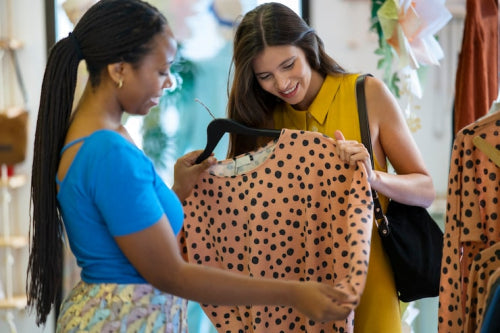
In an era where consumers increasingly seek not just style but also stories behind their purchases, handcrafted fashion emerges as a powerful force for positive change. By supporting local communities through direct artisan partnerships, this approach creates meaningful livelihoods while preserving centuries-old techniques that define cultural identity. At indiehaat.com, we see firsthand how connecting buyers with skilled craftspeople in India fosters economic resilience and community pride.
Fast fashion erodes cultural heritage, sidelining artisans and reducing traditions to trends. At IndieHaat, we champion India's craftspeople with handcrafted sarees, apparel, décor, and skincare rooted in authenticity. Each piece embodies skill and ethical care. Support artisans and preserve India's timeless legacy Shop Now!
The Power of Handcrafted Fashion in Building Resilient Livelihoods
Handcrafted fashion stands apart from mass-produced alternatives by placing artisans at the center of the creative process. Rather than relying on distant factories, these pieces are made by individuals and families who pass down specialized skills across generations. This direct connection allows communities to retain control over their economic future, ensuring that every thread, print, or stitch contributes back to local development.
When consumers choose handcrafted items, they invest in people and practices that might otherwise face decline. Traditional crafts like block printing, weaving, and embroidery require years of apprenticeship and deep cultural knowledge. By funding these artisans, buyers help sustain villages where formal employment options remain scarce. The result is a cycle of support that strengthens entire communities, from rural weavers to urban designers who collaborate closely with them.
Direct Artisan Partnerships: a Model for Ethical Commerce
Direct artisan partnerships represent the most effective way to ensure that profits flow straight to those who create the work. Platforms like indiehaat.com exemplify this model by sourcing products straight from craftspeople across India, bypassing middlemen and building transparent relationships. Artisans gain better pricing, fair wages, and opportunities to collaborate on product development, while buyers receive authentic pieces that carry the story of their makers.
This model extends beyond clothing to home décor and accessories, creating comprehensive support networks. For instance, families involved in hand-block printing see their workshops upgraded with sustainable practices, while weavers receive training in digital marketing to reach wider markets. Such collaborations turn purchasing decisions into tangible contributions toward skill preservation and income stability.
Preserving Traditional Skills for Future Generations
Traditional crafts face growing threats from modernization and urbanization. Young people often migrate to cities for better opportunities, leaving behind the expertise needed to maintain intricate techniques. Handcrafted fashion offers a compelling alternative by creating professional pathways that reward these skills.
Artisans gain recognition through galleries, collaborations with international designers, and online sales platforms. This visibility encourages younger generations to continue the work, while families invest in education and training programs. The cultural heritage embedded in each piece becomes a source of pride, ensuring that techniques like Ajrak block printing or Kanjeevaram weaving thrive in modern contexts rather than fading away.
Creating Lasting Social and Economic Impact
Handcrafted fashion generates ripple effects that extend far beyond individual transactions. Communities see improvements in infrastructure, access to healthcare, and educational resources as local economies strengthen. Women, who often lead production in many artisan sectors, particularly benefit from these opportunities, gaining financial independence and leadership roles within their groups.
Regional initiatives demonstrate how this impact scales. In West Africa, designers like Tia Adeola are relocating supply chains to Nigeria, highlighting local crafts such as cowrie shell beadwork and handwoven Ankara on satin while building facilities that support ethical production and protect cultural heritage. Similarly, Amazonian Indigenous designers are embedding traditional basket-weaving and natural-fiber techniques into contemporary collections, investing heavily in education and economic empowerment so that profits flow back into village schools and community development. These examples illustrate how fashion, when rooted in local communities, can drive both artistic innovation and social progress.
The growth of artisan-led fashion ecosystems is also visible beyond India, with regions building models that connect local craftspeople to global markets. The West African artisan-led manufacturing hub highlights how direct partnerships, investment in facilities, and support for traditional crafts can strengthen ethical production while preserving cultural heritage. These approaches demonstrate how long-term relationships with artisans can help create resilient supply chains rooted in community development.
Challenges and Opportunities in Scaling Artisan Support
Despite its benefits, scaling handcrafted fashion requires navigating infrastructure gaps, fair pricing standards, and market access. Global brands must prioritize long-term commitments over quick cost-cutting to avoid repeating past patterns seen in other regions. Yet the potential remains immense: proximity to major markets, growing demand for transparency, and digital platforms that connect artisans directly to buyers create new pathways for growth.
Opportunities arise in education and technology. Training programs equip artisans with business skills, while online marketplaces enable them to reach international audiences without intermediaries. When brands invest in these areas, the entire ecosystem strengthens, turning challenges into drivers of innovation and resilience.
Similar efforts among Indigenous designers show the importance of keeping communities at the center of fashion partnerships. The Amazonian Indigenous fashion partnerships illustrate how traditional techniques, education, and fair compensation can support cultural preservation while creating sustainable opportunities for creators.
Choosing Handcrafted Fashion: Practical Steps for Impactful Living
Consumers can amplify their support for local communities through small, informed decisions. Look for brands that publish supply chains, partner directly with artisans, and share stories of impact. At indiehaat.com, every collection reflects this commitment, offering apparel, accessories, and home décor that tell the narrative of Indian craftspeople and their traditions.
Start by exploring collections that highlight specific artisans or regions. Ask about production processes and support the platform that matches your values. Over time, these choices compound into meaningful contributions that help sustain traditional livelihoods while enriching personal lives with authentic beauty.
Building a Future Where Fashion Empowers Communities
The future of handcrafted fashion lies in deeper partnerships that honor both creators and consumers. By focusing on transparency, skill development, and community benefit, the industry can evolve into a model of genuine empowerment rather than mere consumption. As awareness grows, more brands and individuals will recognize that purchasing handcrafted pieces is not just about style it is an act of support for the people and places that make our world richer.
Frequently Asked Questions
How does handcrafted fashion support local communities?
Handcrafted fashion supports local communities by creating direct partnerships with artisans and helping generate sustainable livelihoods. It allows craftspeople to preserve traditional skills while ensuring that income from handmade products contributes to local development.
What are the benefits of direct artisan partnerships in ethical fashion?
Direct artisan partnerships create more transparent relationships between makers and buyers while helping artisans receive fair compensation for their work. These collaborations strengthen ethical fashion by supporting skill development, community resilience, and authentic handcrafted products.
Why is buying artisan-made clothing important for preserving traditional crafts?
Buying artisan-made clothing helps sustain traditional crafts such as block printing, weaving, and embroidery that require years of specialized knowledge. Consumer support encourages younger generations to continue these skills and keeps cultural heritage alive in modern fashion.
Disclaimer: The above helpful resources content contains personal opinions and experiences. The information provided is for general knowledge and does not constitute professional advice.
You may also be interested in: Cultural Significance of Handcrafted Textiles in Modern Fashion
Fast fashion erodes cultural heritage, sidelining artisans and reducing traditions to trends. At IndieHaat, we champion India's craftspeople with handcrafted sarees, apparel, décor, and skincare rooted in authenticity. Each piece embodies skill and ethical care. Support artisans and preserve India's timeless legacy Shop Now!
Powered by flareAI.co