
How Artisan Fashion Blends Tradition With Modern Style
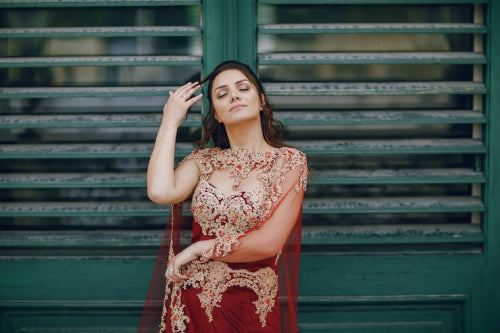
Fashion has always been more than fabric and thread. It carries stories, techniques passed down through generations, and a quiet power to connect past and present. In today's world of fast trends and fleeting styles, artisan fashion stands out as a powerful bridge between heritage and contemporary design. The best pieces today are not copies of yesterday they are thoughtful evolutions that honour the care and skill of craftspeople while meeting the needs of modern life.
Fast fashion erodes cultural heritage, sidelining artisans and reducing traditions to trends. At IndieHaat, we champion India's craftspeople with handcrafted sarees, apparel, décor, and skincare rooted in authenticity. Each piece embodies skill and ethical care. Support artisans and preserve India's timeless legacy Shop Now!
From Everyday Craft to Global Wardrobe Staple
Artisan fashion has moved far beyond niche markets. What began as practical garments for daily wear has become a statement of values sustainability, storytelling, and craftsmanship. When traditional Indian textiles like adire, aso oke, and akwa ocha are reimagined with contemporary silhouettes and luxury fabrics, the result is clothing that feels both deeply rooted and strikingly fresh. Designers collaborate with artisans to revive hand-tying and resist-dyeing methods, creating pieces that are limited in quantity, intentional in design, and emotionally resonant.
This shift reflects a broader cultural movement. In an age of algorithmic overwhelm and disposable fashion, consumers are seeking authenticity. Artisan fashion delivers exactly that: garments with visible construction, visible stories, and visible makers. The result is not just clothing that looks good it is clothing that feels meaningful.
The latest experiential marketing trends emphasize interactive and immersive experiences. Brands are now focusing on Nigerian artisan textiles to engage audiences, providing detailed strategies for creating memorable activations and boosting brand loyalty. The approach includes leveraging technology, interactivity, and multi-sensory engagement to elevate attendee experiences beyond traditional events. Traditional Nigerian textiles such as adire, aso oke, and akwa ocha are being rediscovered and reimagined for the modern luxury market. What began as everyday cultural practices has evolved into high-end fashion statements worn by celebrities and featured in global collections, with designers like Amaka Osakwe and Tsemaye Binitie creating pieces that honor ancestral techniques while adapting them to contemporary silhouettes and luxury fabrics.
The shift reflects a broader cultural reclamation where artisans and designers collaborate to revive methods like hand-tying and resist-dyeing, turning them into exclusive, story-driven garments that command premium prices. This directly supports the blog topic by demonstrating how artisan fashion blends tradition with modern style through sustainable natural processes, small-batch production, and cultural narratives that add emotional depth. Nigerian labels emphasize zero-waste practices and community support, producing limited quantities that feel intentional rather than disposable. As the international industry seeks authenticity beyond fast fashion, these textile traditions provide a blueprint for blending heritage with innovation, offering brands opportunities to tell meaningful stories while elevating artisan livelihoods and appealing to consumers who value traceability and uniqueness in their wardrobes.
The Power of Cultural Reclamation
Cultural reclamation is at the heart of artisan fashion. What once served everyday life is now elevated to exclusive collections. Traditional Nigerian textiles, for example, are being rediscovered and reimagined for the modern luxury market. The same principle applies to Indian craftsmanship. When artisans and designers work together, ancestral techniques become the foundation for new silhouettes that command attention without losing their soul.
This is not imitation. It is evolution. Small-batch production ensures every piece feels unique. Zero-waste practices keep the focus on quality over quantity. The emotional depth that comes from knowing the maker and understanding the technique creates a connection that mass-produced alternatives simply cannot match.
Sustainable Practices That Define the New Standard
Sustainability is no longer optional in fashion it is expected. Artisan fashion leads by example. Natural dyes, hand-spun fibres, and limited production runs reduce environmental impact while maintaining the integrity of the craft. Consumers who once shrugged off “eco” labels are now actively seeking pieces that align with their values.
The practical benefit is clear. When garments are made with intention, they last longer. They age beautifully. They tell a story with every wear. This stands in stark contrast to the throwaway culture that has dominated the industry. In a world where consumers are demanding more from their wardrobes, artisan fashion offers durable, meaningful alternatives that reward both the maker and the wearer.
Handmade Menswear: a Cultural Rebalancing
The appeal of artisan fashion extends beyond women's collections. Men's menswear is experiencing a powerful revival through handmade techniques. Designers are reclaiming intention, imperfection, and personal expression rejecting the forced perfection of fast fashion. Architectural knits, macramé, and deconstructed fabrics are being used to challenge traditional notions of masculinity and to celebrate mood, heritage, and individuality.
Family legacies are being turned into activism. Collaborations with artisans across borders create pieces that honour roots while speaking directly to contemporary audiences. The result is clothing that feels like an extension of the wearer rather than an accessory. In an era of digital noise, this hands-on approach offers a refreshing recalibration one that values patience, care, and emotional connection.
Practical Benefits for the Modern Consumer
There are tangible advantages to choosing artisan fashion. First, quality is non-negotiable. Every stitch, every dye, every cut reflects genuine skill.
The durability translates into pieces that are worn season after season. Second, the stories attached to each garment add personal meaning. Third, supporting craftspeople creates meaningful impact economic opportunity, cultural preservation, and community strength.
Consumers who embrace this approach report a deeper connection to their clothing. They feel more confident when they know the effort that went into their outfit. They feel more sustainable when they choose fewer, better pieces. And they feel more fulfilled when those pieces carry the mark of human hands rather than corporate oversight.
Challenges and Opportunities Ahead
The path is not without obstacles. Maintaining authenticity while scaling production requires careful balance. Protecting traditional techniques from dilution is essential. Yet these very challenges create opportunities. Brands and designers who succeed are those who listen deeply to artisans, invest in fair trade, and let the craft guide the design rather than the other way around.
The future belongs to those who treat heritage as a living process, not a static archive. The most exciting collections today are the ones that quietly celebrate the past while boldly shaping tomorrow.
Why This Matters for Every Wardrobe
Artisan fashion is not a trend it is a return to fundamentals. It reminds us that clothing can be functional, beautiful, and deeply personal at the same time. When tradition and modern style come together, the result is something rare: pieces that feel timeless because they are never afraid to evolve.
Whether you are looking to refresh your daily uniform, invest in a statement piece, or simply understand the forces shaping fashion, artisan fashion offers a clear path forward. The next chapter of your wardrobe is being written by hands that have been shaping textiles for centuries and by minds that continue to find new ways to honour them.
Frequently Asked Questions
How does artisan fashion blend traditional craftsmanship with modern style?
Artisan fashion combines heritage techniques, such as hand-dyeing, embroidery, and weaving, with contemporary silhouettes and luxury design elements. This approach preserves cultural craftsmanship while creating clothing that feels relevant for modern wardrobes. The result is unique fashion pieces that connect history, creativity, and personal expression.
Why is artisan fashion considered a sustainable alternative to fast fashion?
Artisan fashion supports sustainability through small-batch production, natural dyes, hand-spun fibres, and reduced waste practices. These garments are designed with quality and longevity in mind rather than disposable trends. Choosing artisan clothing helps consumers invest in meaningful pieces while supporting skilled craftspeople and traditional methods.
What makes handmade artisan menswear different from mass-produced clothing?
Handmade artisan menswear focuses on individuality, intentional design, and the emotional value of craftsmanship. Techniques like knitting, crochet, macramé, and visible mending allow designers to create pieces that celebrate heritage and personal style. Unlike mass-produced fashion, artisan menswear highlights the time, skill, and story behind each garment.
Disclaimer: The above helpful resources content contains personal opinions and experiences. The information provided is for general knowledge and does not constitute professional advice.
You may also be interested in: The Intersection of Traditional Indian Crafts and Contemporary
Fast fashion erodes cultural heritage, sidelining artisans and reducing traditions to trends. At IndieHaat, we champion India's craftspeople with handcrafted sarees, apparel, décor, and skincare rooted in authenticity. Each piece embodies skill and ethical care. Support artisans and preserve India's timeless legacy Shop Now!
Powered by flareAI.co