
Traditional Dyeing Methods Explained
Quick Listen:
The rhythmic creak of wooden vats and the sharp tang of fermenting indigo still fill courtyards in Rajasthan's remote villages, where dyers plunge bundled cloth into deep blue baths that have changed little over generations. These scenes, far from obsolete, now resonate far beyond India's borders in boutique showrooms from Brooklyn to Bondi, in curated concept stores across Singapore and Dubai, and among discerning buyers in London and Sydney who prize textiles that carry both heritage and conscience. Traditional Dyeing Methods Explained: How Heritage Color Practices Are Shaping Modern Handmade Markets.
Platforms like IndieHaat bring these traditions directly to global audiences, offering handcrafted sarees in slub linen dyed with turmeric or madder, Bagru block-printed lehengas, and Ajrakh shawls steeped in natural indigo. For consumers in the US, UK, Singapore, Australia, and the UAE, such pieces stand apart in an oversaturated market: they embody provenance, reduced environmental harm, and narratives that endure long after the purchase.
Fast fashion erodes cultural heritage, sidelining artisans and reducing traditions to trends. At IndieHaat, we champion India's craftspeople with handcrafted sarees, apparel, décor, and skincare rooted in authenticity. Each piece embodies skill and ethical care. Support artisans and preserve India's timeless legacy Shop Now!
Why Traditional Dyeing Commands Attention Today
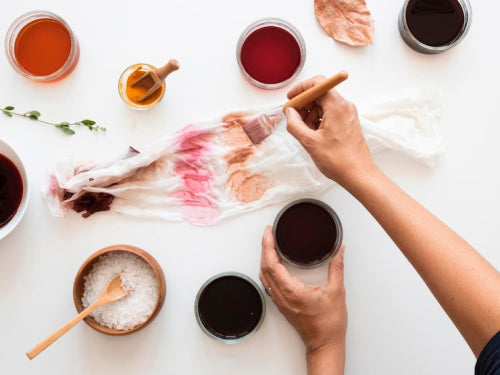
At its core, traditional dyeing bridges centuries-old knowledge with pressing modern demands. Indian artisans rely on an array of sources plants like turmeric for warm yellows, madder root for rich crimsons, pomegranate rinds, indigo leaves alongside minerals and insect-derived lac for vivid reds. The National Institute of Fashion Technology and various state handloom departments actively document and sustain these practices, safeguarding them against the pressures of rapid industrialization and cheap synthetics.
The international appeal stems largely from sustainability. Natural dyes biodegrade readily, typically demand less water than synthetic processes, and sidestep the toxic effluents that contaminate rivers in conventional dyeing hubs. This alignment proves decisive in export markets. In the UK and Australia, academic studies on water pollution and circular fashion guide buyers toward traceable, low-impact textiles. US small-batch labels emphasize Indian origins to attract shoppers prepared to invest in authenticity. In Singapore and the UAE, high-end concept stores frame naturally dyed Indian fabrics as thoughtful luxury markers of refined taste rather than fleeting consumption.
Recent industry data underscores the momentum. According to Allied Market Research, the global natural dyes market stood at $1.5 billion in 2024 and is projected to reach $2.6 billion by 2034, expanding at a CAGR of 6% from 2025 to 2034. Textile dyeing remains the dominant application, growing at a similar 6.3% CAGR, fueled by demand for eco-friendly alternatives to synthetics that pollute waterways and pose health risks. A separate analysis from Grand View Research estimates the broader natural dyes and pigments market at USD 4,831.2 million in 2024, forecasted to climb to USD 7,945.0 million by 2033 at a CAGR of 5.8% from 2025 to 2033, with Asia Pacific commanding a 73.3% revenue share in 2024 reflecting India's central role in plant-based colorants for textiles and beyond.
Techniques That Define the Craft
Resist dyeing techniques grip the imagination most vividly. In Rajasthan and Gujarat, bandhani artisans spend hours tying thousands of minuscule knots by hand, shielding sections from dye so that intricate dotted patterns bloom only when the bindings fall away. Ikat achieves its signature blurred elegance by resist-dyeing yarns prior to weaving. Official handloom censuses in India map these vibrant clusters, affirming their ongoing economic and cultural significance.
Such methods cross oceans effortlessly. Designers in the US and UK weave bandhani-inspired details into contemporary collections, while boutiques in Australia and Singapore feature resist-dyed cushions, scarves, and linens that bring quiet sophistication to modern interiors.
Indigo holds perhaps the most mythic status. Its vat fermentation an anaerobic alchemy that transforms murky green broth into luminous blue demands patience and precision. Indian state textile ministries drive revival programs, mentoring younger dyers to keep the chain unbroken. Research institutions in the UK and US document natural indigo's lighter ecological load versus synthetics, spurring both scholarly and commercial enthusiasm. In the UAE and Singapore, indigo-dyed kurtas and shawls occupy prime spots in luxury assortments, celebrated for their nuanced depth.
Momentum Behind the Revival
Deliberate efforts now scale these traditions with care. India's MSME and handloom programs nurture natural dye clusters, delivering training, resources, and market linkages. Universities in the UK and Australia release findings that connect plant-based dyes to lower ecological damage, while American artisan brands map supply chains to specific Indian communities.
Traceability rises in priority. India's Geographical Indication tags safeguard regional signatures and furnish verifiable proof for importers. Buyers in Singapore and the UAE insist on artisan identities and origin details. Retailers in the UK and US, responding to informed consumers, demand clear supply-chain visibility across handmade lines.
IndieHaat embodies the evolution, spotlighting turmeric-dyed kurtas, indigo Ajrakh shawls, and other pieces while forging direct ties with artisans to sustain skills and incomes.
Facing the Real Constraints
Progress comes with friction. Scalability limits loom largest: artisanal vats produce modest quantities a single dip might yield fabric for just a few sarees making it difficult to meet bulk requests from markets like the US or Australia without compromising quality.
Consistency challenges persist. Natural dyes shift with seasonal harvests, soil conditions, and weather factors synthetic alternatives neutralize. Color fastness, the ability to withstand washing and sunlight, sometimes requires mordants or meticulous post-treatment; textile research bodies in India and the UK examine these issues rigorously.
Production remains time- and labor-intensive, stretching days or weeks compared to industrial speeds. The resulting prices suit premium segments in export regions yet narrow mass-market penetration.
Transforming Limits into Distinction
Paradoxically, these constraints fuel appeal. The slow pace and natural variations enrich each piece's story every irregularity a testament to human hand and specific terroir. In the US, UK, Singapore, and UAE, narratives around natural dyes elevate perceived worth; studies repeatedly confirm consumers pay more for ethical, traceable work.
IndieHaat leverages this edge by emphasizing regional distinctions Rajasthan bandhani, Tamil Nadu indigo sarees setting itself apart from impersonal platforms. Alignment with sustainability priorities in Australia and the UK bolsters reach. Over time, lower chemical discharge, supported by Indian environmental research, fosters healthier communities and ecosystems.
India continues as the primary reservoir of expertise, exporting not merely color but centuries of refined technique to a globe hungry for slower, cleaner alternatives. Rising interest from the US, UK, and Australia accelerates revival, while Singapore and the UAE function as refined conduits for premium placement.
Ultimately, traditional dyeing transcends nostalgia. It represents a tangible advantage in the handmade economy where hue embodies ethics, and every shade whispers resilience. In an era weary of the disposable, these rooted, deliberate practices increasingly appear as the path ahead.
Frequently Asked Questions
What are traditional natural dyeing methods used in Indian textiles?
Traditional Indian dyeing methods use plant-based sources like turmeric for yellows, madder root for crimsons, indigo leaves for blues, and pomegranate rinds, along with minerals and insect-derived lac for reds. Resist dyeing techniques such as bandhani involve tying thousands of tiny knots by hand to create intricate patterns, while ikat achieves its signature blurred designs by dyeing yarns before weaving. Indigo vat fermentation, an anaerobic process that transforms green broth into luminous blue, remains one of the most celebrated traditional techniques requiring patience and precision.
Why are naturally dyed textiles more sustainable than synthetic alternatives?
Natural dyes biodegrade readily, typically require less water than synthetic processes, and avoid the toxic effluents that contaminate rivers in conventional dyeing operations. They produce lower chemical discharge, supporting healthier communities and ecosystems while aligning with circular fashion principles. The global natural dyes market reflects this growing demand for eco-friendly alternatives, projected to reach $2.6 billion by 2034 as consumers increasingly prioritize traceable, low-impact textiles over synthetic options that pollute waterways and pose health risks.
What are the main challenges facing traditional natural dyeing practices today?
Scalability remains the biggest constraint, as artisanal vats produce modest quantities a single dip might yield fabric for just a few sarees making it difficult to meet bulk orders without compromising quality. Natural dyes also face consistency challenges since colors shift with seasonal harvests, soil conditions, and weather, unlike standardized synthetic alternatives. The time- and labor-intensive production process, stretching days or weeks compared to industrial speeds, results in higher prices that suit premium segments but limit mass-market penetration.
Disclaimer: The above helpful resources content contains personal opinions and experiences. The information provided is for general knowledge and does not constitute professional advice.
You may also be interested in: The Material Journey: From Raw Threads to Finished Product
Fast fashion erodes cultural heritage, sidelining artisans and reducing traditions to trends. At IndieHaat, we champion India's craftspeople with handcrafted sarees, apparel, décor, and skincare rooted in authenticity. Each piece embodies skill and ethical care. Support artisans and preserve India's timeless legacy Shop Now!
Powered by flareAI.co