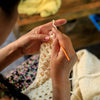
Why Fabric Choice Matters in Clothing

Quick Listen:
The fabric you choose isn't merely a practical layer it's a deliberate expression of values in an age dominated by disposable trends. As fast fashion floods wardrobes with items that fade quickly in both style and substance, discerning consumers increasingly interrogate the very material: What is this garment made from? How does it feel against the skin? Does it honor the environment and the hands that crafted it? For curated platforms like IndieHaat, specializing in handcrafted Indian clothing, home décor, and accessories, fabric selection defines the entire proposition. It governs physical comfort in extreme climates, longevity that defies seasonal churn, ethical integrity that safeguards artisans and ecosystems, and cultural depth that transforms everyday wear into heritage.
Fast fashion erodes cultural heritage, sidelining artisans and reducing traditions to trends. At IndieHaat, we champion India's craftspeople with handcrafted sarees, apparel, décor, and skincare rooted in authenticity. Each piece embodies skill and ethical care. Support artisans and preserve India's timeless legacy Shop Now!
From Tactile Comfort to Ethical Consciousness
In India's vibrant markets, shoppers rarely purchase on impulse alone. They examine weave, texture, and origin with practiced scrutiny, often linking fabric to regional pride the breathable handloom cotton of Bengal, the shimmering tussar silk of Jharkhand. This deep appreciation for quality and craftsmanship stands out distinctly, as noted by observers who have traveled there and marveled at the cultural emphasis on textiles.
Across the ocean in the United States, diaspora communities alongside younger generations rediscover these priorities. Breathable naturals such as linen and cotton suit both ethnic garments and casual wardrobes, resonating especially with Millennials and Gen Z who favor sustainable alternatives. A parallel trend unfolds in the United Kingdom, where circular fashion gains momentum and durable, environmentally aligned fabrics attract buyers increasingly attuned to the true cost of production.
Climate dictates preferences in hotter regions. Singapore's persistent humidity and the UAE's arid intensity demand fabrics that manage moisture and heat effectively. Linen ethnic wear lightweight, airy, naturally crease-resistant has gained devoted followings in Dubai, Sharjah, and Singapore's diverse communities, ideal for extended wear during celebrations or daily routines. In Australia, proponents of slow fashion in urban centers like Melbourne champion understated natural fibers, valuing narratives of quality and restraint over excess.
Evidence from Australia reinforces this shift: a YouGov survey found that 46% of consumers report being more inclined to purchase items labeled “sustainably made,” with the figure climbing above 50% among Gen Z and Millennials. Craftsmanship and material quality consistently rank among the top three decision factors for 56% of respondents, trailing only price and fit.
Regional Shifts Toward Natural, Sustainable Fibres
Natural fibers continue to dominate consumer affection across diverse markets. The 2025 Global Lifestyle Monitor™ Survey, spanning 13 countries and over 13,000 respondents, revealed that 75% prefer clothing made from cotton, cotton blends, or denim far outpacing synthetics like polyester, spandex, or rayon. Respondents rated cotton highest for comfort (67%), softness (66%), quality (59%), authenticity (56%), and sustainability (49%). Notably, 59% expressed willingness to pay a premium for natural fibers, citing comfort and quality as primary motivators.
India's apparel sector mirrors this preference for eco-conscious materials. While earlier projections placed the market at US$106.9 billion in 2023 with growth toward US$146.3 billion by 2032, broader global data provides updated context: the worldwide apparel market is estimated to reach US$1.89 trillion in revenue for 2026, growing at a CAGR of 2.58% through 2030, with women's apparel leading at US$990.71 billion and the United States topping country-level revenue at US$373 billion.
The larger textile industry underscores sustainability's momentum. Valued at USD 1,007.90 billion in 2024, it is projected to expand from USD 1,065.45 billion in 2025 to USD 1,676.68 billion by 2032 at a robust 6.69% CAGR, fueled by consumer migration toward organic cotton, recycled polyester, and biodegradable options. Another analysis estimates the textile market at USD 1.16 billion in 2025, advancing to USD 1.61 billion by 2033 at 4.2% CAGR from 2026 onward, with silk showing the fastest raw-material growth at 4.5%.
Linen exemplifies this surge. Requiring minimal water and pesticides compared to conventional cotton, it offers complete biodegradability and exceptional durability qualities prized by environmentally aware buyers. India's linen sector advances steadily, while global linen apparel is poised for expansion. IndieHaat showcases this fusion through handwoven linen sarees from Tamil Nadu and naturally dyed pieces from Gujarat, blending ancestral techniques with contemporary eco-priorities.
Illustrating Fabric Choice Impact
Concrete examples highlight fabric's transformative power. In India, heritage fabrics like khadi, tussar silk, and handloom cotton embody cultural significance, sustain artisan communities, and preserve traditions. Vegetable-dyed Bengal cotton sarees or those colored with turmeric and indigo endure for years, age gracefully, and avoid the environmental burden of synthetic dyes and fast production.
Urban boutiques in the US and UK feature pure linen, cotton, and silk to attract sustainability-minded shoppers and diaspora clients seeking genuine craftsmanship. Hybrid designs linen salwar suits styled with contemporary jackets seamlessly connect tradition and modernity.
In Singapore and the UAE, linen ethnic wear flourishes due to its superior breathability in punishing heat and humidity, paired with an upscale aesthetic suited to discerning, culturally engaged consumers. Australia's slow-fashion advocates embrace linen's clean lines, often amplified by compelling artisan stories that elevate the garment beyond mere cloth.
Key Challenges in Fabric Choice
Obstacles persist. The elevated cost of authentic natural fabrics particularly labor-intensive handwoven linen or silk can exclude price-sensitive buyers in India and similar markets. Misrepresentation undermines confidence when synthetics are marketed as natural. Online retail faces a persistent sensory shortfall: no screen conveys true drape, texture, or hand-feel, frustrating shoppers everywhere.
Why Fabric Choice Is a Strategic Advantage
These barriers also reveal opportunity. Rising demand for sustainability creates differentiation, whether in Australia's eco-focused landscape or India's expanding conscious segment. Artisanal fabrics enable rich storytelling traceability to individual weavers, plant-based dyes, equitable compensation that fosters loyalty and supports premium pricing. IndieHaat exemplifies this through direct artisan collaborations.
Diaspora communities in the US, UK, and UAE extend this potential, seeking pieces that honor cultural roots while meeting modern sustainability standards: linen kurtas for Diwali in Dubai, airy cotton for warm California days.
Fabric Choice as a Compass for Next-Gen Fashion
Progress demands transparency: certifications, in-depth artisan profiles, high-resolution close-ups, and video demonstrations to overcome digital limitations. Messaging should adapt regionally climate-optimized linens for Singapore and the UAE, resilient eco-fabrics for Australia and the UK, heritage-rich handlooms for India and US diaspora audiences to forge deeper connections.
With global apparel projected to hit US$2.26 trillion by 2030 at a 4.2% CAGR from 2025, and textiles expanding significantly through sustainable innovation, brands that respect fabric's complete narrative will prevail. Ultimately, fabric choice transcends fashion. It concerns integrity, endurance, and responsibility. In each thread lies an opportunity to choose thoughtfully and wear meaningfully.
Frequently Asked Questions
Why does fabric choice matter when buying clothing?
Fabric choice impacts comfort, durability, environmental sustainability, and cultural authenticity. Natural fibers like cotton, linen, and silk offer superior breathability and longevity compared to synthetic materials, while supporting ethical production practices. According to global surveys, 75% of consumers prefer natural fabrics for their comfort and quality, with 59% willing to pay premium prices for these materials.
What are the best natural fabrics for hot and humid climates?
Linen and handloom cotton are ideal for hot, humid regions like Singapore, the UAE, and parts of India due to their exceptional breathability and moisture-wicking properties. Linen requires minimal water to produce, is naturally crease-resistant, and remains lightweight even during extended wear. These fabrics effectively manage heat and humidity while offering complete biodegradability and long-lasting durability.
How does choosing sustainable fabrics support artisan communities?
Selecting handcrafted natural fabrics like khadi, tussar silk, and handwoven linen directly supports traditional artisan livelihoods and preserves centuries-old weaving techniques. These fabrics enable ethical traceability from weaver to garment, ensure fair compensation for craftspeople, and maintain cultural heritage that fast fashion threatens to erase. Platforms like IndieHaat connect consumers with authentic artisan-made pieces, creating sustainable economic opportunities for India's textile communities.
Disclaimer: The above helpful resources content contains personal opinions and experiences. The information provided is for general knowledge and does not constitute professional advice.
You may also be interested in: Why Handmade Still Matters in an Age of Mass-Produced Fashion
Fast fashion erodes cultural heritage, sidelining artisans and reducing traditions to trends. At IndieHaat, we champion India's craftspeople with handcrafted sarees, apparel, décor, and skincare rooted in authenticity. Each piece embodies skill and ethical care. Support artisans and preserve India's timeless legacy Shop Now!
Powered by flareAI.co