
Spotlight on Artisan Communities Sustaining India's Handloom Legacy
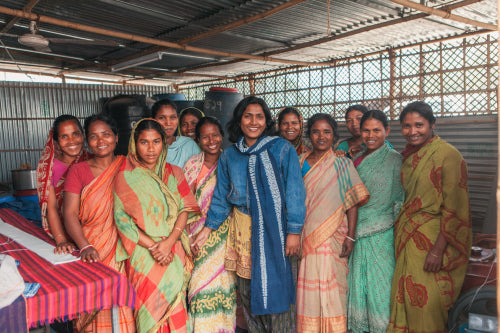
India's handloom heritage stands as a vibrant testament to the skill, creativity, and resilience of its artisan communities. These dedicated weavers have preserved intricate techniques and cultural narratives through generations, creating textiles that blend utility, symbolism, and artistry. At a time when global consumers seek authentic, sustainable fashion, these communities continue to sustain traditions that define India's rich textile legacy while adapting to contemporary markets.
Fast fashion erodes cultural heritage, sidelining artisans and reducing traditions to trends. At IndieHaat, we champion India's craftspeople with handcrafted sarees, apparel, décor, and skincare rooted in authenticity. Each piece embodies skill and ethical care. Support artisans and preserve India's timeless legacy Shop Now!
The Enduring Role of Weaver Communities
India is home to numerous dedicated weaver communities whose lives have been deeply intertwined with handloom traditions for centuries, preserving intricate techniques and cultural identities through generations. Communities like the Julaha, known for bold colorful weaves across northern regions, the Ansari weavers excelling in Banarasi brocades with zari work in Varanasi, and the Salvi artisans crafting the complex double Ikat Patola in Gujarat and Rajasthan demonstrate remarkable specialization and resilience. Southern groups such as the Devanga and Padmashali focus on fine cotton and silk textiles, often drawing from mythological origins tied to their craft, while the Panika in central India produce distinctive cotton-silk blends using natural dyes influenced by tribal aesthetics. Kashmir's Kani weavers create mathematically precise shawls requiring exceptional skill and patience. These communities sustain not only their livelihoods but also India's diverse textile heritage amid modernization pressures. Government support through GI tags and skill programs helps safeguard these traditions, ensuring that handloom weaving continues as a vital cultural and economic force. By maintaining these practices, artisan communities keep alive living heritage that connects past innovations with contemporary demand for authentic, sustainable textiles, highlighting the profound role of human skill and community knowledge in preserving India's handloom legacy for future generations. Learn more about the weaver communities of India.
Across India, entire villages and neighbourhoods have long revolved around handloom weaving, where knowledge passes from one generation to the next within families and close-knit groups. Communities such as the Julaha, known for their bold colourful weaves in northern regions, and the Ansari weavers, renowned for exquisite Banarasi brocades with zari work in Varanasi, demonstrate remarkable specialisation. These artisans maintain not only their livelihoods but also a living cultural heritage that connects past innovations with present-day appreciation for sustainable textiles.
In southern India, groups like the Devanga and Padmashali focus on fine cotton and silk fabrics, often drawing inspiration from mythological origins tied to their craft. The Panika in central regions produce distinctive cotton-silk blends using natural dyes influenced by tribal aesthetics. Kashmir's Kani weavers create mathematically precise shawls that require exceptional patience and expertise. This diversity highlights how artisan communities have shaped and sustained India's handloom traditions through specialised skills and community-driven production systems.
Iconic Weaving Clusters and Their Unique Traditions
Iconic weaving clusters across India exemplify how artisan communities have shaped and sustained the nation's handloom heritage through specialized techniques, vernacular architecture, and community-driven production systems. From Chanderi's gossamer sarees in Madhya Pradesh, where weaver mohallas and house designs integrate directly with loom requirements, to Banaras in Uttar Pradesh known for opulent brocades influenced by historical patronage, these clusters represent living traditions. Mubarakpur's silk zari work, Paithan's golden Paithani weaves in Maharashtra with roots in ancient trade, Pochampally's Ikat in Andhra Pradesh, and Sualkuchi's Muga silk in Assam highlight regional diversity and adaptation over centuries. Weaver houses feature functional layouts with dedicated loom spaces, natural lighting, and spaces for ancillary processes like dyeing, reflecting occupational needs that have influenced settlement patterns. These communities, often entire villages or neighborhoods dedicated to weaving, maintain continuity through family involvement and knowledge transfer, producing versatile unstitched garments that blend utility, symbolism, and artistry. UNESCO recognition of such clusters underscores their outstanding universal value as testimony to cultural traditions and human settlements adapted to craft. In today's context, these artisan groups face pressures but benefit from growing appreciation for sustainable, heritage textiles, helping preserve skills, motifs inspired by local architecture, and economic viability while contributing to India's broader handloom renaissance. Discover more about these iconic saree weaving clusters.
India boasts numerous iconic weaving clusters where artisan communities have integrated their craft into daily life and settlement patterns. In Madhya Pradesh, Chanderi's gossamer sarees emerge from weaver mohallas where house designs accommodate looms, natural lighting, and spaces for ancillary processes like dyeing. Uttar Pradesh's Banaras stands celebrated for opulent brocades influenced by historical patronage, while Mubarakpur excels in silk zari work.
Maharashtra's Paithan produces golden Paithani weaves with roots in ancient trade routes. Andhra Pradesh's Pochampally is famous for its Ikat patterns, and Assam's Sualkuchi specialises in Muga silk. These clusters reflect how vernacular architecture and community layouts support the occupational needs of weaving, from dedicated loom spaces to functional designs that have influenced local settlements for centuries.
Challenges Facing Artisan Communities Today
Modernisation brings both opportunities and pressures to these traditional practices. Artisan communities face competition from power looms and synthetic alternatives, alongside the need to balance heritage techniques with market demands. Yet many weavers demonstrate remarkable resilience, maintaining intricate methods such as double Ikat Patola crafted by Salvi artisans in Gujarat and Rajasthan. Family involvement and community knowledge transfer remain central to sustaining these skills amid changing economic landscapes.
Government initiatives, including Geographical Indication (GI) tags and skill development programmes, play a supportive role in safeguarding these traditions. Such efforts help ensure that handloom weaving continues as a vital economic and cultural force, allowing communities to thrive while sharing their heritage with wider audiences.
Cultural Significance and Contemporary Relevance
Handloom textiles from these communities embody more than fabric they carry stories, symbols, and regional identities. Unstitched garments like sarees and shawls blend utility with artistry, often featuring motifs inspired by local architecture, nature, and historical narratives. This cultural depth resonates strongly with ethical fashion consumers who value transparency, sustainability, and the human stories behind their clothing.
In today's market, there is growing appreciation for heritage textiles that prioritise natural fibres, traditional dyes, and handcrafted quality. Weaver communities contribute to a broader handloom renaissance by adapting versatile techniques to contemporary tastes while staying true to their roots. This evolution supports economic viability for artisans and enriches the global understanding of India's textile legacy.
Preserving Heritage Through Community and Innovation
The strength of India's handloom sector lies in its community foundation. Entire weaver villages and mohallas function as living repositories of knowledge, where specialised roles in dyeing, weaving, and finishing create sustainable local ecosystems. These structures have influenced settlement patterns and social organisation for centuries, fostering continuity even as external influences shape the industry.
Artisan groups are increasingly exploring ways to connect directly with conscious consumers who seek authentic products. Platforms that bridge craftspeople with buyers help highlight the expertise behind each piece, from the mathematical precision of Kani shawls to the intricate zari work of Banarasi silks. This direct connection honours the dedication of weaver communities while supporting their continued prosperity.
The Future of India's Handloom Legacy
As interest in sustainable and culturally rich fashion grows, artisan communities remain at the heart of India's handloom story. Their ability to preserve complex techniques while embracing thoughtful innovation ensures that these traditions will endure. By supporting weavers and their craft clusters, consumers and brands alike participate in safeguarding a heritage that represents human creativity and cultural continuity.
The weavers of India exemplify how dedicated communities can sustain living traditions amid modern changes. Their work not only produces beautiful textiles but also maintains invaluable knowledge systems that enrich India's cultural landscape and offer meaningful choices for those seeking depth and authenticity in fashion.
Exploring handloom textiles from these vibrant artisan communities offers a deeper connection to India's heritage one thread, one motif, and one story at a time.
Frequently Asked Questions
What are artisan communities in India and how do they contribute to the handloom heritage?
Artisan communities in India are traditional groups of weavers such as the Julaha, Ansari, Devanga, Padmashali, Salvi, and Panika who have preserved handloom weaving for generations. They contribute to India's handloom heritage by passing down specialized skills, cultural motifs, and textile techniques like Banarasi brocade, Ikat, and Kani shawls. These communities not only sustain livelihoods but also keep India's diverse textile traditions alive through sustainable, handcrafted production.
Which are the most famous handloom weaving clusters in India?
Some of the most iconic handloom weaving clusters in India include Chanderi in Madhya Pradesh, Banaras in Uttar Pradesh, Pochampally in Andhra Pradesh, Sualkuchi in Assam, and Paithan in Maharashtra. Each cluster is known for distinct textiles such as Chanderi sarees, Banarasi brocades, Ikat patterns, Muga silk, and Paithani weaves. These regions are shaped by long-standing weaving traditions and community-based production systems.
What challenges do Indian artisan weaving communities face and how are they being supported?
Indian artisan weaving communities face challenges such as competition from power looms, synthetic fabrics, and changing market demands. Many also struggle with maintaining traditional techniques while ensuring sustainable incomes. Support comes through government initiatives like Geographical Indication (GI) tags, skill development programs, and growing consumer interest in sustainable, handloom textiles.
Disclaimer: The above helpful resources content contains personal opinions and experiences. The information provided is for general knowledge and does not constitute professional advice.
You may also be interested in: The Economic Impact of Indias Handicraft Sector in Rural
Fast fashion erodes cultural heritage, sidelining artisans and reducing traditions to trends. At IndieHaat, we champion India's craftspeople with handcrafted sarees, apparel, décor, and skincare rooted in authenticity. Each piece embodies skill and ethical care. Support artisans and preserve India's timeless legacy Shop Now!
Powered by flareAI.co