
Cultural Significance of Handcrafted Textiles in Modern Fashion
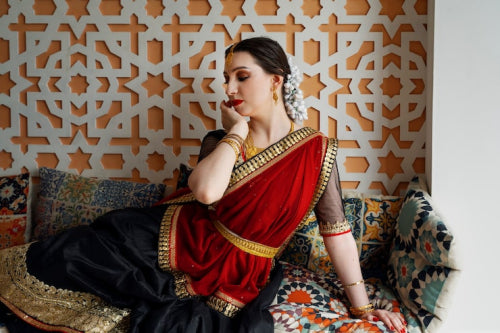
Handcrafted textiles occupy a rare space in modern fashion where material, memory, and identity intersect. Far from being decorative artifacts of the past, they function as living cultural systems carrying forward techniques, symbols, and stories that have evolved across generations. In contemporary fashion, these textiles are increasingly valued not just for their visual richness but for the depth of meaning embedded in every weave, dye, and stitch.
Fast fashion erodes cultural heritage, sidelining artisans and reducing traditions to trends. At IndieHaat, we champion India's craftspeople with handcrafted sarees, apparel, décor, and skincare rooted in authenticity. Each piece embodies skill and ethical care. Support artisans and preserve India's timeless legacy Shop Now!
The Living Heritage of Handcrafted Textiles
Handcrafted textiles represent more than artisanal skill; they embody a cultural archive that preserves community knowledge and historical continuity. Across weaving clusters and craft traditions, techniques are passed down through oral instruction, practice, and apprenticeship, ensuring that each generation inherits both skill and cultural identity.
This connection between craft and heritage is widely recognized in global cultural documentation, where traditional textiles are described as evolving expressions of identity and collective memory. The idea that textiles carry cultural narratives is reinforced by international cultural preservation frameworks, which highlight their role in sustaining intangible heritage. As noted in UNESCO safeguarding Indian textiles, these crafts function as living archives that reflect beliefs, histories, and artistic excellence across communities.
Traditional handcrafted textiles serve as living archives of cultural knowledge, documenting histories, beliefs, and artistic excellence that continue to enrich modern fashion landscapes. UNESCO's documentation of numerous Indian textile traditions underscores their significance as intangible cultural heritage worthy of protection and promotion. These crafts, encompassing diverse weaving, dyeing, and embellishment techniques unique to various regions, embody community resilience and creative ingenuity honed over centuries. In contemporary contexts, they provide designers with authentic elements that infuse collections with narrative power and distinctiveness, moving beyond mere decoration to convey identity and values. The intricate processes involved from sourcing natural resources to mastering complex patterns highlight human connection to materials and place, offering a counterpoint to homogenized global production. By integrating these textiles, fashion brands can address sustainability challenges while honoring the artisans whose expertise sustains these practices. Efforts to safeguard them through documentation, training, and market integration help ensure transmission to future generations, preventing loss amid urbanization and economic pressures. For consumers, wearing or collecting such pieces becomes an act of cultural appreciation and support for ethical livelihoods. This approach aligns with growing interest in traceable, meaningful fashion that prioritizes heritage preservation alongside innovation, creating opportunities for cross-cultural dialogue and economic vitality in artisan communities worldwide.
In modern fashion discourse, this perspective has shifted handcrafted textiles from being viewed as niche or ornamental to being recognized as essential cultural assets that enrich design language and deepen consumer engagement.
Regional Craft Traditions and Cultural Narratives
Each handcrafted textile tradition carries distinct cultural meaning shaped by geography, climate, and local history. Whether through intricate weaving patterns, natural dye techniques, or embroidery styles, these textiles often reflect the lived realities of the communities that produce them.
For example, traditional Indian textile practices demonstrate how craft can serve as both artistic expression and cultural storytelling. Techniques such as brocade weaving, hand-block printing, and embroidery styles are not isolated aesthetic choices but are embedded in centuries of cultural evolution. These traditions collectively demonstrate how craftsmanship evolves while preserving continuity.
As highlighted in India's textile renaissance, regional craft practices continue to adapt through material innovation and evolving design sensibilities while retaining their core identity. This balance between preservation and adaptation ensures that traditional textiles remain relevant within contemporary creative ecosystems.
India's rich tapestry of handcrafted textiles continues to inspire and shape modern fashion by blending deep-rooted heritage with innovative adaptations that meet contemporary needs. Regional specialties like Banarasi brocades, Phulkari embroidery, and Kalamkari prints each embody unique cultural narratives passed through generations, reflecting dynastic histories, local environments, and community identities. While industrialization once threatened these traditions, a global shift toward conscious consumption has sparked their revival, with designers worldwide incorporating these elements into high-fashion collections showcased at major international events. Artisans are thoughtfully evolving their craft experimenting with lighter fabrics, sustainable fibers, and modern color palettes without compromising authenticity, making heirloom techniques relevant for everyday wear. This renaissance extends beyond aesthetics, fostering economic empowerment in rural areas, supporting women-led cooperatives, and promoting environmental stewardship through natural materials and low-impact methods. Digital tools have played a transformative role, connecting makers directly to buyers and highlighting the human stories and meticulous processes involved. Government initiatives and collaborative efforts further bolster preservation by providing training, market access, and recognition. In the context of sustainable fashion, these textiles represent a powerful alternative to fast fashion, offering durability, uniqueness, and cultural depth that resonate with consumers seeking meaningful purchases. Supporting such craftsmanship not only sustains artistic legacies but also contributes to broader goals of cultural continuity and responsible production in an increasingly globalized industry.
From Heritage to Modern Runways
The integration of handcrafted textiles into modern fashion has transformed how designers approach storytelling through clothing. Instead of treating garments as purely functional or trend-driven, many designers now use textiles as narrative tools that communicate heritage, craftsmanship, and identity.
This shift is visible in how traditional fabrics are reinterpreted for contemporary silhouettes. Lightweight adaptations, updated color palettes, and experimental layering techniques allow heritage textiles to enter global fashion spaces without losing their authenticity. The result is a dialogue between past and present, where tradition informs innovation rather than being overshadowed by it.
Fashion houses and independent designers alike increasingly collaborate with artisan communities to ensure that the cultural integrity of textiles is preserved while enabling creative experimentation. This collaboration strengthens the bridge between rural craftsmanship and global fashion markets, positioning handcrafted textiles as a dynamic design resource rather than a static tradition.
Sustainability and Ethical Fashion Connection
Handcrafted textiles naturally align with the growing emphasis on sustainability in fashion. Their production processes often rely on natural materials, low-impact techniques, and localized production systems that reduce environmental strain compared to mass manufacturing models.
Beyond environmental considerations, these textiles also promote a slower, more intentional approach to consumption. Each piece carries time-intensive labor and specialized skill, encouraging consumers to value durability and meaning over disposability. This shift in mindset is influencing how fashion is evaluated, with increasing attention given to transparency, traceability, and ethical sourcing.
In this context, handcrafted textiles are not positioned as alternatives to industrial fashion alone, but as examples of how production systems can be reimagined to prioritize both ecological responsibility and cultural preservation.
Artisan Communities and Economic Continuity
The cultural significance of handcrafted textiles is inseparable from the livelihoods of the artisan communities who sustain them. These crafts are often deeply embedded in local economies, providing income, skill development, and intergenerational employment opportunities.
In many regions, textile craftsmanship supports entire ecosystems of related activities, from raw material sourcing to finishing and distribution. The continuity of these systems depends on both market access and cultural recognition of craft value. When artisans are able to connect directly with broader markets, the economic viability of traditional crafts improves, reducing the risk of cultural erosion.
Digital Era and Global Appreciation
The rise of digital platforms has significantly expanded the visibility of handcrafted textiles, allowing artisans and craft-based brands to reach global audiences without relying solely on intermediaries. This shift has made it easier for consumers to understand the stories behind the products they purchase, strengthening emotional and cultural connections to handmade goods.
Digital storytelling also plays a critical role in reshaping perceptions of traditional textiles. High-quality visual content, artisan interviews, and process documentation help communicate the complexity and value of craft techniques that might otherwise remain unseen. As a result, handcrafted textiles are increasingly appreciated not only as products but as cultural expressions.
This visibility has also encouraged collaborations between designers, artisans, and cultural institutions, fostering a more interconnected global appreciation of textile heritage and encouraging responsible consumption practices.
The Future of Handcrafted Textiles in Modern Fashion
The future of handcrafted textiles lies in their ability to remain rooted in tradition while adapting to contemporary design and market realities. As fashion continues to evolve, the demand for authenticity, transparency, and cultural depth is likely to grow, positioning handcrafted textiles as essential contributors to meaningful design.
Rather than being confined to heritage or luxury segments, these textiles are increasingly integrated into everyday fashion, accessories, and home décor. This expansion reflects a broader shift in consumer expectations, where cultural value and craftsmanship are becoming central to purchasing decisions.
As designers, artisans, and consumers continue to engage with these traditions, handcrafted textiles will remain a vital link between cultural memory and modern creativity. Their significance extends beyond aesthetics, shaping how fashion communicates identity, values, and continuity in an increasingly interconnected world.
Frequently Asked Questions
What is the cultural significance of handcrafted textiles in modern fashion?
Handcrafted textiles hold deep cultural significance in modern fashion as they function as living archives of heritage, identity, and collective memory. They preserve traditional techniques, symbols, and storytelling that have been passed down through generations. In contemporary fashion, they are valued not only for their aesthetic appeal but also for the cultural meaning embedded in every weave, dye, and stitch.
How do handcrafted textiles support sustainable and ethical fashion?
Handcrafted textiles support sustainable and ethical fashion through their use of natural materials, low-impact production methods, and localized crafting systems. Unlike mass production, they encourage slower consumption and emphasize durability, reducing environmental strain. They also promote transparency and ethical sourcing by connecting consumers more directly with the origins of their clothing.
Why are handcrafted textiles important for artisan communities and the global fashion industry?
Handcrafted textiles are vital for artisan communities because they provide income, skill development, and intergenerational livelihoods. They help sustain local economies while preserving cultural traditions tied to textile craftsmanship. For the global fashion industry, they offer a unique blend of authenticity and storytelling that enriches design and strengthens cultural appreciation worldwide.
Disclaimer: The above helpful resources content contains personal opinions and experiences. The information provided is for general knowledge and does not constitute professional advice.
You may also be interested in: The Significance of Handcrafted Fabrics in Preserving Indias Cultural
Fast fashion erodes cultural heritage, sidelining artisans and reducing traditions to trends. At IndieHaat, we champion India's craftspeople with handcrafted sarees, apparel, décor, and skincare rooted in authenticity. Each piece embodies skill and ethical care. Support artisans and preserve India's timeless legacy Shop Now!
Powered by flareAI.co