
How Ethnic Wear Shapes Regional Identity in India
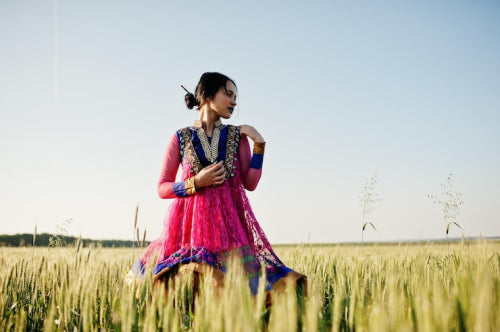
Quick Listen:
India's ethnic wear is far more than fabric and stitching it is a living map of the nation's diverse regional identities. From the graceful drape of a Banarasi saree to the vibrant folds of a Gujarati lehenga, traditional clothing tells stories of geography, history, climate, and community. For those drawn to cultural heritage and sustainable fashion, understanding this connection reveals how ethnic wear continues to shape and preserve India's multifaceted identity in everyday life and celebrations alike.
Fast fashion erodes cultural heritage, sidelining artisans and reducing traditions to trends. At IndieHaat, we champion India's craftspeople with handcrafted sarees, apparel, décor, and skincare rooted in authenticity. Each piece embodies skill and ethical care. Support artisans and preserve India's timeless legacy Shop Now!
The Roots of Regional Diversity in Indian Clothing
Clothing across India varies immensely according to ethnicity, geography, climate, and cultural traditions. This diversity serves as a vivid expression of the country's regional identities. Women's attire such as the saree with its myriad regional draping styles alongside salwar kameez, lehengas, and other garments, reflects local influences and social contexts. Men's garments like dhotis, kurtas, sherwanis, and turbans similarly embody community-specific customs and practical adaptations to the environment.
These styles have been shaped by historical exchanges, from ancient civilizations to Mughal and colonial periods. The result is a rich textile tradition tied to particular locales: silks from South India, woolens from the Himalayas, or cottons from the plains. Wearing traditional clothing often signals participation in cultural, religious, or social events, reinforcing a sense of belonging and heritage.
Ethnic Wear as a Marker of Cultural Heritage
Ethnic wear in India represents far more than garments; it encapsulates a region's cultural legacy, traditions, craftsmanship, and way of life handed down through generations. Rooted in historical influences from ancient draped fabrics to Mughal-era embroideries and local innovations, these styles define the spirit of communities across the diverse subcontinent.
Clothing across India varies immensely according to ethnicity, geography, climate, and cultural traditions, serving as a vivid map of the country's regional identities. Women's attire, such as the ubiquitous yet regionally distinct saree with its myriad draping styles, alongside salwar kameez, lehengas, and others, reflects local influences and social contexts. Men's garments like dhotis, kurtas, sherwanis, and turbans similarly embody community-specific customs and practical adaptations to environment. These styles are not static; they have been shaped by historical exchanges, from ancient civilizations to Mughal and colonial periods, resulting in rich textile traditions tied to particular locales silks from South India, woolens from the Himalayas, or cottons from the plains. Wearing traditional clothing often signals participation in cultural, religious, or social events, reinforcing a sense of belonging and heritage. Diversity of clothing across Indian regions highlights how sarees, salwar suits, lehengas, and kurtis each reflect specific regional identities whether through distinctive draping techniques, motifs, or fabrics suited to local climates and customs. This connection to place makes ethnic wear a powerful vehicle for cultural continuity.
How Traditional Attire Reflects Geographic and Climatic Influences
In hotter, humid regions, lightweight cottons and breathable weaves dominate, while colder hilly areas favour warmer woollens and layered garments. Coastal communities often incorporate motifs inspired by marine life and trade histories, whereas inland arid zones feature sturdy, dust-resistant fabrics and protective embroidery. These practical choices have evolved into aesthetic signatures that immediately signal regional origins to those familiar with Indian traditions.
Such adaptations are not merely functional they embed environmental wisdom into cultural expression. Artisans draw on locally available materials and time-tested techniques, creating garments that feel inherently tied to their place of origin. This deep integration of environment and craft strengthens regional pride and offers consumers authentic connections to India's varied landscapes.
The Role of Handloom and Artisan Traditions in Preserving Identity
Handloom traditions in India form the backbone of ethnic wear's cultural significance. Weavers and craftspeople across states specialise in techniques passed down through families, each region developing distinctive patterns, dyes, and weaves. These skills are not just economic activities but living embodiments of community identity.
When individuals choose handcrafted ethnic wear, they support the continuation of these traditions. Platforms like IndieHaat connect discerning buyers directly with artisans, ensuring that regional stories and techniques remain vibrant. This direct sourcing model helps preserve unique textile heritage while offering modern consumers genuine, traceable pieces that carry cultural weight.
Ethnic Wear in Contemporary Life and Celebrations
While fusion and Western elements have integrated into daily wear, ethnic attire retains prominence for festivals, weddings, and identity assertion. In contemporary settings, professionals might pair a classic kurta with tailored trousers for work, or drape a saree in a modern style for office events. This adaptability ensures traditional clothing evolves without losing its essence.
Ethnic wear in India represents far more than garments; it encapsulates a region's cultural legacy, traditions, craftsmanship, and way of life handed down through generations. Rooted in historical influences from ancient draped fabrics to Mughal-era embroideries and local innovations, these styles define the spirit of communities across the diverse subcontinent. Sarees, salwar suits, lehengas, and kurtis each reflect specific regional identities whether through distinctive draping techniques, motifs, or fabrics suited to local climates and customs. Wearing such attire during festivals, weddings, and rituals reinforces a sense of belonging and respect for heritage, connecting wearers to their roots while adapting to modern needs for comfort and versatility. The distinction between strictly traditional and ethnic wear lies in this evolution: the latter incorporates contemporary updates without losing its cultural foundation, making it suitable for daily life, work, and celebrations alike. This adaptability ensures ethnic clothing remains relevant, blending time-honored elements like handcrafted prints and natural fibers with practical designs. Heritage and regional identity in ethnic wear underscores how wearing such attire during important occasions reinforces belonging and respect for heritage.
Challenges and Opportunities in Sustaining Regional Craftsmanship
Modern pressures such as urbanisation and mass production pose challenges to traditional handloom sectors. Many young artisans face the pull of alternative careers, risking the loss of specialised knowledge. However, growing appreciation for sustainable and authentic fashion creates new opportunities.
Consumers increasingly seek pieces with provenance garments that tell a story beyond trends. By choosing ethnic wear from regional artisans, buyers contribute to cultural preservation and economic empowerment in craft communities. This shift towards mindful consumption helps bridge generational gaps and keeps regional identities alive through wearable heritage.
Connecting with Authentic Ethnic Wear Today
Exploring ethnic wear offers more than style it provides a window into India's living cultural tapestry. Whether drawn to the intricate zari work of Varanasi, the mirror-work of Kutch, or the temple motifs of Tamil Nadu, each piece carries layers of meaning rooted in its region of origin.
Curated marketplaces play a vital role in making these authentic connections accessible. IndieHaat, for instance, focuses on handcrafted apparel, accessories, and home décor sourced directly from craftspeople. Such platforms honour artisan expertise while helping consumers make choices that support cultural continuity and sustainable practices.
In an era where global fashion often favours uniformity, India's ethnic wear stands as a celebration of diversity. By embracing these garments, individuals participate in the ongoing narrative of regional identities honouring the past while shaping a more conscious future for Indian craftsmanship.
Ultimately, ethnic wear remains a dynamic force in shaping how Indians and those connected to Indian heritage express and sustain their cultural identities. Its enduring relevance lies in this ability to adapt while staying deeply rooted in the rich diversity that defines India.
Frequently Asked Questions
How does ethnic wear reflect regional identity in India?
Ethnic wear in India reflects regional identity through distinct fabrics, draping styles, motifs, and traditional garments like sarees, lehengas, salwar kameez, dhotis, and turbans. Each region expresses its cultural heritage through unique textile traditions, such as Banarasi silk, Kutch embroidery, or South Indian weaves. These clothing styles act as cultural markers that connect individuals to their community, history, and traditions, making ethnic wear a living expression of India's diversity.
What role does geography and climate play in shaping traditional Indian clothing styles?
Geography and climate strongly influence traditional Indian clothing, with lightweight cottons and breathable fabrics used in hot and humid regions, while woolens and layered garments are common in colder Himalayan areas. Coastal regions often feature motifs inspired by marine life, while arid zones use durable, protective textiles suited to harsh conditions. These climate-driven adaptations have evolved into regional style signatures that define ethnic wear across India.
Why is handloom and artisan craftsmanship important in Indian ethnic wear?
Handloom and artisan craftsmanship are essential to preserving India's cultural heritage and sustaining traditional textile skills passed down through generations. These crafts preserve regional weaving techniques, embroidery styles, and dyeing methods that define authentic ethnic wear. Supporting artisan-made clothing also promotes sustainable fashion and helps empower local communities while keeping India's textile traditions alive.
Disclaimer: The above helpful resources content contains personal opinions and experiences. The information provided is for general knowledge and does not constitute professional advice.
You may also be interested in: How Craft Clusters Shape Regional Identities in India - Indiehaat.com
Fast fashion erodes cultural heritage, sidelining artisans and reducing traditions to trends. At IndieHaat, we champion India's craftspeople with handcrafted sarees, apparel, décor, and skincare rooted in authenticity. Each piece embodies skill and ethical care. Support artisans and preserve India's timeless legacy Shop Now!
Powered by flareAI.co