
Long-Term Benefits of Supporting Artisan Communities
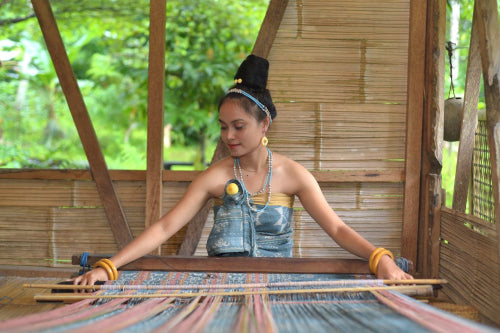
In a world increasingly shaped by mass-produced goods and fast-changing trends, supporting artisan communities stands out as a powerful way to connect heritage with tomorrow's possibilities. For a brand like IndieHaat, rooted in Bangalore, this commitment translates into carefully chosen handcrafted sarees, dress materials, Tussar sarees, and linen sarees that carry the soul of skilled hands and living traditions. The rewards stretch far beyond lovely clothing. They strengthen economies, safeguard cultural identities, and forge genuine bonds with conscious buyers in India and across the US, Singapore, Australia, the UK, and the UAE.
Fast fashion erodes cultural heritage, sidelining artisans and reducing traditions to trends. At IndieHaat, we champion India's craftspeople with handcrafted sarees, apparel, décor, and skincare rooted in authenticity. Each piece embodies skill and ethical care. Support artisans and preserve India's timeless legacy Shop Now!
Why Artisan Communities Continue to Matter
Artisan communities lie at the heart of India's vibrant handloom heritage. They are more than creators of apparel and home accents they safeguard generational wisdom, often practised in rural courtyards where looms click rhythmically and natural dyes fill the breeze. Choosing authentic handcrafted pieces sustains livelihoods that reach well beyond temporary sales. Families remain in their villages, traditional skills endure, and entire communities build greater self-reliance.
In India's rich regional tapestry, this support carries deep personal meaning. A Tussar silk saree from Jharkhand or a light linen dress material from Tamil Nadu embodies local pride and centuries-old expertise. For Indian diaspora families in Singapore, Australia, the UK, and the UAE, these garments offer a tangible link to their roots while meeting modern demands for ethical and sustainable fashion. Where fast fashion delivers sameness, artisan creations celebrate individuality the small variations that make every piece truly unique.
The Growing Preference for Conscious Choices
Modern shoppers look for more than mere products. They seek narratives, transparency, and real impact. Marketplaces such as Amazon Marketplace and ONDC Marketplace have simplified discovery of handmade goods, but lasting change occurs when buyers prioritise authenticity over price alone. IndieHaat distinguishes itself through direct relationships with artisans, offering only pure fabrics linen, silk, and cotton without synthetic compromises.
This shift reflects evolving values. Working women navigating professional and cultural responsibilities value versatile garments that move effortlessly from workplace to celebrations. Across urban India and international markets, there is rising awareness that backing artisans helps offset the environmental costs of large-scale manufacturing. Handloom methods typically consume far less energy and water, harmonising naturally with sustainable living principles.
Building Economic Strength Through Traditional Crafts
Supporting artisans generates widespread benefits that bolster regions and families alike. By linking rural weavers to broader markets, platforms create steady income streams that circulate within local economies. Women, who form a significant part of the handloom workforce, gain greater financial independence, leading to improvements in education, healthcare, and overall community well-being.
Brands that form direct partnerships with makers, like IndieHaat, minimise reliance on intermediaries. This approach delivers fairer compensation and motivates continuous skill development. Over years, communities upgrade their tools, blend fresh designs with age-old techniques, and pass knowledge to younger generations protecting crafts such as Tussar weaving from fading away. The outcome is thriving villages where heritage fuels contemporary opportunities, easing migration pressures and strengthening social structures.
Preserving Culture Amid Global Influences
Handicrafts represent living cultural legacies. Every pattern on a saree or weave in linen dress material holds stories of history, folklore, and regional character. Sustained support keeps these traditions breathing despite pressures toward uniformity. In India, collaborative efforts between government bodies and private initiatives have revived threatened weaving styles, yet consistent consumer demand remains the vital force for their survival.
For audiences worldwide, this support fosters deeper cultural appreciation. A shopper in the US or UK wearing an IndieHaat handcrafted piece carries a slice of India's diverse legacy. Such choices encourage meaningful exchanges between cultures and help protect intangible heritage. In the long run, they allow crafts to grow and adapt while retaining their essential spirit merging tradition with contemporary appeal.
Environmental and Ethical Benefits That Last
Artisan-led production naturally favours sustainability. Operating at a smaller scale reduces waste, and the use of natural fibres and dyes lowers chemical impact. Opting for pure linen or Tussar silk instead of industrial alternatives contributes to reduced environmental strain and supports biodiversity.
On the ethical front, direct sourcing a cornerstone of IndieHaat's model upholds fair wages and open supply chains. This practice directly tackles common buyer hesitations around pricing, trust, and the challenge of experiencing products online. By sharing artisan's personal stories through Instagram, Facebook, and YouTube, the brand builds emotional connections that foster loyalty far stronger than one-time purchases.
Addressing Common Buyer Concerns Effectively
Prospective customers often pause at higher prices, doubts about authenticity, or the lack of physical touch. Yet the enduring advantages become clear through superior quality and distinctiveness. A thoughtfully made linen saree can be cherished for years, delivering better long-term value than short-lived alternatives. Brands respond to trust gaps with detailed provenance, artisan features, and genuine material assurances.
IndieHaat's rigorous selection process ensures every item meets high standards of craftsmanship and ethics. Customer-shared images and videos on social platforms recreate the excitement of discovery, while convenient marketplace access removes friction. The result is clothing that feels deeply personal and purposeful, worn confidently for both everyday moments and special occasions.
Real Impact Through Dedicated Platforms
In India, efforts connecting artisans with global customers have produced visible progress. IndieHaat demonstrates this model by working closely with creators of Tussar sarees and linen collections, presenting a thoughtfully chosen range of handcrafted apparel, accessories, home décor, and artisanal skincare to wider audiences. Digital tools play a key role in expanding reach while honouring original techniques.
Internationally, diaspora networks and mindful consumers in key regions amplify this momentum. They appreciate both the quality and the empowering story behind each piece. This creates a positive cycle where increased sales support community initiatives, training programmes, and design innovation keeping traditional crafts vibrant and relevant for coming generations.
Future Directions in Craft and Conscious Commerce
The world of women's apparel continues to change, with heightened interest in comfortable, meaningful garments. As noted in industry observations, women's shirts and blouses made from varied materials including cotton have seen evolving consumer priorities toward better fit, innovative fabrics, and designs suitable for both work and leisure. Brands and buyers alike are moving away from fast fashion's low-quality output and waste toward options that better reflect personal values.
Another perspective highlights how digital channels now shape discovery and purchase decisions, with consumers favouring ethical sourcing and transparency. This evolution aligns perfectly with artisan strengths in natural materials and multi-functional, culturally rooted pieces.
Empowering these communities goes beyond goodwill it represents a strategic investment in resilience. It protects environmental balance, energises local economies, and adds richness to global culture. For buyers, it means wardrobes filled with items that truly matter: sarees that drape with history and dress materials that embody sustainability.
Embracing a Shared Path Ahead
Each handcrafted purchase contributes to a stronger tomorrow. Whether selecting a special Tussar saree or practical linen dress materials for daily wear, customers become active participants in a larger narrative. IndieHaat's dedication to showcasing India's artisanal excellence while uplifting creators extends an invitation to all. In choosing such pieces, we do more than acquire beautiful objects we help sustain legacies that enrich lives across generations.
The long-term benefits of supporting artisan communities are clear and compelling. From economic stability and cultural continuity to environmental care and personal fulfilment, the impact resonates deeply. As awareness grows, so does the opportunity to shape a fashion landscape that honours both the hands that create and the people who wear with pride.
Frequently Asked Questions
What are the long-term benefits of supporting artisan communities in India?
Supporting artisan communities strengthens rural economies, empowers women weavers with financial independence, and helps preserve traditional crafts like Tussar silk weaving and linen handloom techniques for future generations. It reduces migration from villages, circulates income locally, and fosters skill development and innovation. For buyers, it means investing in high-quality, unique handcrafted sarees and dress materials that offer superior durability and cultural value compared to mass-produced alternatives.
Why should I choose handcrafted sarees and linen dress materials over fast fashion?
Handcrafted sarees and linen pieces from artisans support ethical production, use natural fibres and dyes, and have a much lower environmental impact than fast fashion. Each garment carries unique character, superior craftsmanship, and generational expertise, delivering better long-term value and comfort. By choosing authentic products from platforms like IndieHaat, you help preserve India's cultural heritage while enjoying versatile, sustainable clothing suitable for both daily wear and special occasions.
How does buying from IndieHaat help preserve Indian cultural heritage?
IndieHaat works directly with artisans to promote authentic Tussar sarees, linen sarees, and handcrafted apparel, ensuring fair compensation and continued practice of traditional skills that are at risk of fading. This direct partnership minimizes middlemen, supports rural livelihoods, and keeps regional weaving techniques and patterns alive. For the Indian diaspora and conscious buyers worldwide, these pieces offer a meaningful connection to heritage while promoting sustainable and ethical fashion choices.
Disclaimer: The above helpful resources content contains personal opinions and experiences. The information provided is for general knowledge and does not constitute professional advice.
You may also be interested in: Kota Doria: A Timeless Fabric with a Future Forward
Fast fashion erodes cultural heritage, sidelining artisans and reducing traditions to trends. At IndieHaat, we champion India's craftspeople with handcrafted sarees, apparel, décor, and skincare rooted in authenticity. Each piece embodies skill and ethical care. Support artisans and preserve India's timeless legacy Shop Now!
Powered by flareAI.co