
Innovations in Handloom Supply Chains to Support Ethical Fashion
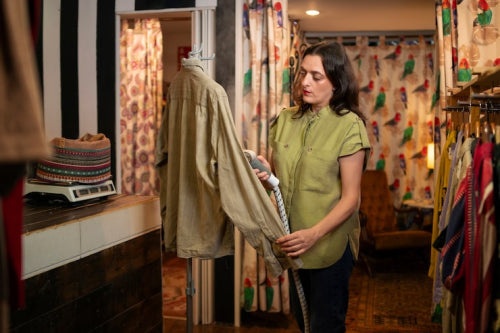
In the sunlit workshops of rural India, where generations of artisans have passed down the rhythmic clack of looms, a quiet revolution is underway. Handloom supply chains once reliant on fragmented networks and middlemen are embracing innovation to fuel the global rise of ethical fashion. For brands like IndieHaat, this transformation means more than efficiency; it's about preserving India's rich cultural heritage while delivering authentic, handcrafted pieces such as sarees, tussar sarees, linen sarees, and dress materials directly to conscious consumers across India, the US, Singapore, Australia, the UK, and the UAE.
Fast fashion erodes cultural heritage, sidelining artisans and reducing traditions to trends. At IndieHaat, we champion India's craftspeople with handcrafted sarees, apparel, décor, and skincare rooted in authenticity. Each piece embodies skill and ethical care. Support artisans and preserve India's timeless legacy Shop Now!
Weaving Sustainability into Everyday Fashion
Ethical fashion has moved from niche concern to mainstream expectation. Shoppers in bustling Bangalore markets and vibrant urban centres now seek products with soul garments that honour the skilled hands that crafted them. Handloom production lies at the heart of this shift. It supports rural livelihoods, uses minimal energy, and safeguards traditional crafts that mass-produced textiles often overshadow.
IndieHaat, based in Bangalore, perfectly embodies this spirit. The brand curates handmade apparel, accessories, home décor, and artisanal skincare through close partnerships with artisans. Every item undergoes careful selection to ensure superior quality, cultural authenticity, and ethical standards focusing exclusively on pure linen, silk, and cotton fabrics that offer unmatched comfort and elegance.
Technological Integration Transforming Traditional Supply Chains
Technology is thoughtfully bridging ancient craftsmanship with modern transparency. Digital inventory systems and blockchain solutions enable brands to trace every stage from raw fibre sourcing to the final weave of a beautiful tussar saree. In India, artisans benefit from improved demand visibility, which helps minimise waste and plan production more sustainably.
Mobile applications are connecting weavers directly with buyers. An artisan in Odisha can now receive precise specifications for a custom linen saree and share delivery timelines seamlessly. These innovations empower artisans without replacing their irreplaceable human skill, preserving the distinctive character and texture that define authentic handloom products.
Direct Artisan Collaborations Redefining Value
By reducing intermediaries, forward-thinking brands ensure artisans receive fairer compensation. IndieHaat's direct sourcing model of handmade items from artisans eliminates unnecessary mark-ups, supports unique designs, and builds stronger relationships. This approach directly addresses buyer concerns around pricing transparency and product authenticity.
Fair practices combined with compelling storytelling deepen these connections. Shoppers in Singapore or Australia discover the specific weaving community behind their purchase, transforming a linen dress material into a meaningful bridge between cultures and continents.
Sustainable Material Sourcing for a Greener Tomorrow
Artisans and brands are increasingly prioritising organic and natural fibres grown through traditional low-impact methods. This focus on linen, silk, and cotton not only reduces environmental strain but also celebrates regional techniques, such as the distinctive soft drape of tussar silk from eastern India.
Consumers in the UAE and UK looking for premium ethical choices appreciate how these pure fabrics develop character over time, offering lasting beauty without harmful synthetics common in fast fashion. Local sourcing further shortens supply chains and strengthens cultural authenticity.
Real-World Impact Across Target Markets
In India, platforms like IndieHaat and handloom cooperatives in regions such as Chhattisgarh and Odisha leverage digital tools to connect with global audiences. Artisans actively share their craft on Instagram, Facebook, and YouTube, creating direct relationships that overcome traditional export hurdles.
Buyers in the US and UK are drawn to story-rich collections. QR codes on garments link to artisan videos, making the shopping experience educational and personal. This innovation helps overcome the common hesitation of purchasing without physically examining the fabric.
Creative Expressions in Singapore and Australia
Pop-up exhibitions and partnerships with design institutions are refreshing handloom's appeal. Curated collections merge heritage weaves with contemporary styles, attracting professionals who desire sustainability alongside sophistication. Singapore's diverse market especially values the harmonious blend of Indian craftsmanship with international aesthetics.
Meeting Luxury Expectations in the UAE
Premium retailers in the UAE source authentic handloom textiles for discerning clients who value exclusivity and heritage. IndieHaat stands out in competitive spaces like Amazon Marketplace and ONDC Marketplace through its commitment to quality and cultural depth.
Addressing Common Buyer Concerns
Many hesitate due to higher pricing of handcrafted items. However, understanding the extensive skilled labour, fair wages, and sustainable journey makes the value evident. IndieHaat emphasises timeless quality that reduces the need for frequent replacements, offering better long-term worth.
Trust builds through openness. Detailed artisan stories, fabric information, and genuine customer feedback help bridge the gap between online browsing and the tactile experience. First-time buyers of tussar sarees or linen dress materials often become loyal supporters after experiencing the products.
Insights from India's Growing Handloom Ecosystem
India's handicrafts sector continues to thrive as demand grows for ethnic and handmade products, driven by rising interest in sustainable living and cultural appreciation. Similarly, the broader textile and apparel landscape benefits from government initiatives supporting weavers and a global shift toward ethical materials. Brands are responding by investing in transparent practices and direct partnerships that strengthen the entire ecosystem.
Home textiles made with traditional handloom methods also see strong interest as urban consumers seek meaningful connections to their roots while embracing modern lifestyles. These trends highlight how innovation in supply chains creates opportunities for artisans and conscious buyers alike.
The Road Ahead for Handloom Innovation
The future belongs to balanced integration where technology streamlines logistics while human creativity remains central to design. IndieHaat is well-positioned to expand access to rare tussar and linen creations while staying true to its core values of authenticity and artisan empowerment.
Every thoughtful purchase contributes to sustaining livelihoods and breathing new life into time-honoured traditions. In an era dominated by uniform fast fashion, handloom products offer something precious: individuality and heritage woven into every thread.
Why Choose Curated Handloom Today
- Authentic Craftsmanship: Direct partnerships with artisans deliver unique designs you won't find in mass-produced collections.
- Pure Natural Fabrics: Exclusive focus on linen, silk, and cotton ensures breathability, durability, and timeless appeal.
- Ethical Transparency: Fully traceable journeys that respect both makers and the environment.
- Cultural Connection: Products that celebrate India's vibrant handloom legacy for appreciative audiences worldwide.
- Quality That Lasts: Investment pieces that develop character and reduce long-term consumption.
As handloom supply chains evolve with innovation and care, the fundamental promise stays constant: creating beautiful, meaningful objects that honour people and planet. IndieHaat continues this journey one thoughtfully selected piece at a time inviting discerning shoppers to join a larger movement of cultural revival and responsible choices.
“Handloom isn't merely fabric. It is living heritage nurtured by skilled hands and carried forward by conscious hearts across generations.”
Whether you are looking for that perfect tussar saree for a festive occasion or versatile linen dress materials for daily elegance, the ongoing innovations in these supply chains ensure every purchase is as fulfilling as the product itself. Explore the rich world of ethical handloom and become part of India's treasured crafting legacy.
Frequently Asked Questions
How is technology transforming handloom supply chains to support ethical fashion?
Technology is bridging traditional craftsmanship with modern transparency through digital inventory systems, blockchain traceability, and mobile applications. These tools allow brands to track every stage of production from raw fibre sourcing to the final weave while connecting artisans directly with buyers. For example, a weaver in Odisha can now receive custom specifications and share delivery timelines seamlessly, preserving their craft without replacing their irreplaceable human skill.
Why are handloom sarees and linen dress materials more expensive than mass-produced alternatives?
Handloom products like tussar sarees, linen sarees, and dress materials command higher prices because they involve extensive skilled labour, fair artisan wages, and sustainable production practices that mass manufacturing bypasses. Direct sourcing models eliminate unnecessary middlemen, ensuring artisans receive fairer compensation while keeping pricing transparent for buyers. These are investment pieces crafted from pure natural fabrics linen, silk, and cotton that develop character over time and reduce the need for frequent replacements.
How can conscious shoppers in the US, UK, or Australia verify the authenticity of ethical handloom products?
Reputable ethical fashion brands provide fully traceable supply chains, detailed artisan stories, and genuine customer feedback to help online shoppers make informed decisions. Many products now feature QR codes that link directly to artisan videos, making the experience personal and educational even without physically examining the fabric. Certifications, transparent fabric information, and direct artisan collaborations further assure buyers that their purchase genuinely supports India's handloom heritage and rural livelihoods.
Disclaimer: The above helpful resources content contains personal opinions and experiences. The information provided is for general knowledge and does not constitute professional advice.
You may also be interested in: Artisan Stories Highlight Human Element in Sustainable Apparel
Fast fashion erodes cultural heritage, sidelining artisans and reducing traditions to trends. At IndieHaat, we champion India's craftspeople with handcrafted sarees, apparel, décor, and skincare rooted in authenticity. Each piece embodies skill and ethical care. Support artisans and preserve India's timeless legacy Shop Now!
Powered by flareAI.co