
Direct Sourcing Models to Empower Rural Handloom Makers
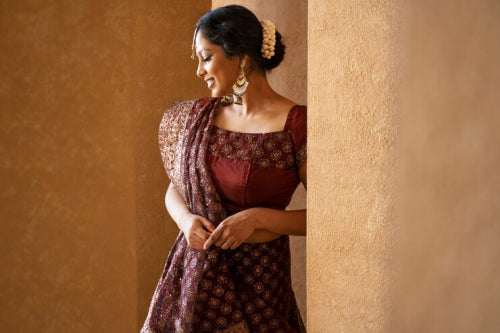
In the bustling lanes of rural India, where handlooms have hummed for generations under the shade of banyan trees, a quiet revolution is underway. Artisans who once depended on middlemen for survival are now discovering direct pathways to global markets. This shift is transforming not just their livelihoods but the very fabric of traditional craftsmanship. At the heart of this change stands IndieHaat, a Bangalore-based curated e-commerce brand that connects discerning buyers with authentic handcrafted treasures like sarees, dress materials, Tussar sarees, and linen sarees each piece telling a story of skill passed down through families.
Fast fashion erodes cultural heritage, sidelining artisans and reducing traditions to trends. At IndieHaat, we champion India's craftspeople with handcrafted sarees, apparel, décor, and skincare rooted in authenticity. Each piece embodies skill and ethical care. Support artisans and preserve India's timeless legacy Shop Now!
The Challenges Facing Rural Handloom Communities
For centuries, handloom weaving has formed the backbone of countless Indian villages, preserving techniques that no machine can truly replicate. From the intricate weaves of Tussar silk in eastern India to the breathable linen fabrics popular in warmer regions, these crafts represent living cultural heritage. Yet rural artisans frequently encounter harsh realities: exploitative supply chains that squeeze their margins, irregular orders that disrupt livelihoods, and limited access to premium raw materials.
Many weavers in traditional clusters struggle to secure fair compensation, prompting younger generations to migrate to cities in search of stable income. This disconnect threatens not only individual families but the survival of entire artisanal traditions. Without direct customer feedback, creators miss opportunities to refine designs for modern preferences while honouring time-tested methods. The outcome is a sector brimming with potential yet held back by legacy commerce structures.
How Direct Sourcing Models Empower Artisans
Direct sourcing changes everything by eliminating unnecessary intermediaries. Platforms like IndieHaat build close partnerships with weavers, ensuring every garment meets exacting standards of authenticity and quality. The brand works exclusively with pure linen, silk, and cotton fabrics sourced straight from artisan hands. This model delivers fair compensation, consistent demand, and valuable guidance on evolving market preferences.
Unlike crowded generic marketplaces, IndieHaat follows a careful curation process for every item. Artisans gain more than payment they receive insights that help them develop unique designs appealing to buyers across India and international markets. This fosters genuine trust and long-term sustainability while addressing typical customer hesitations around pricing and product genuineness.
Bridging Rural Talent with Conscious Consumers Worldwide
Picture a beautifully woven Tussar saree from a quiet village in Jharkhand finding its way to a proud wearer in Mumbai, Singapore, New York, or Dubai. Direct sourcing makes such connections effortless by simplifying logistics and nurturing transparent relationships. Integration with established platforms such as Amazon Marketplace and ONDC expands visibility while preserving strict quality oversight.
Buyers in key regions India, the US, UK, Australia, Singapore, and the UAE deeply value the personal stories woven into each piece. Through social media channels including Instagram, Facebook, and YouTube, these narratives come alive. Artisans share their processes, creating emotional bonds that transform simple purchases into meaningful cultural exchanges.
Addressing Common Buyer Concerns with Honesty and Quality
Prospective customers often voice understandable objections: concerns about higher pricing, building trust with distant makers, and the challenge of evaluating fabric feel online. Direct sourcing tackles these directly through unwavering commitment to ethical production and rigorous quality standards. When buyers understand that their purchase provides meaningful support to rural communities, the premium positioning becomes clear and justified.
IndieHaat bridges the tactile gap with rich product descriptions, detailed photography, and authentic customer feedback. Many highlight the graceful drape of linen sarees or the natural lustre of Tussar silk qualities consistently delivered through careful selection. This openness converts initial hesitation into lasting loyalty.
The Role of Technology in Preserving and Scaling Traditions
Contemporary digital tools beautifully complement ancient looms. Artisans can now receive orders, share real-time progress updates, and collaborate on custom designs from remote villages. This balanced approach safeguards the soul of handloom work while enhancing efficiency, enabling rural makers to grow sustainably without sacrificing the uniqueness that defines their craft.
The Tangible Impact on Rural Empowerment
Direct sourcing creates ripples of positive change throughout communities. Women weavers achieve greater financial independence, families prioritise education, and villages maintain their distinctive cultural identities. Every handmade item from IndieHaat carries forward this meaningful impact from elegant dress materials perfect for everyday wear to sophisticated home décor that celebrates India's vibrant artisanal legacy.
Today's conscious consumers actively seek products with deeper purpose. By choosing directly sourced handloom pieces, they join a growing movement that favours thoughtful craftsmanship over mass-produced alternatives. This choice supports living traditions while delivering items of exceptional quality and character.
Why Curated Direct Models Deliver Superior Value
Standard online marketplaces frequently overwhelm shoppers with unverified offerings, which can dilute appreciation for genuine craftsmanship. IndieHaat takes a different path by focusing exclusively on hand-sourced, authentic fabrics. This careful curation guarantees that every Tussar or linen creation embodies true artisan skill, attracting those who genuinely cherish India's handcrafted heritage.
Such models also reduce uncertainty for makers by ensuring steady volumes and sharing market intelligence. The result is a positive cycle where artisans continuously refine their work, innovate within tradition, and build more secure futures.
Sustaining Handloom Traditions in Today's World
The path forward for Indian handloom lies in thoughtful balance respecting ancestral techniques while embracing ethical modern commerce. Direct sourcing initiatives like those championed by IndieHaat illustrate how e-commerce can breathe new life into rural economies without diminishing their cultural essence. As more buyers experience the quiet joy of owning a truly distinctive saree or dress material, appreciation for these conscious choices continues to spread.
At its core, this movement transcends mere commerce. It weaves stronger connections between creators and customers, empowering rural handloom communities to flourish while introducing India's living heritage to appreciative audiences worldwide. The next time you drape a handcrafted saree or select a special dress material, pause to consider the skilled hands that created it and the direct link that brought it to you.
Practical Ways to Support Rural Handloom Artisans
- Choose platforms committed to direct artisan partnerships and full transparency in sourcing.
- Invest in garments crafted from pure, natural fabrics such as linen, silk, and cotton for enduring beauty and comfort.
- Amplify artisan voices by sharing their stories across Instagram, Facebook, and YouTube.
- Prioritise quality and authenticity over quantity, helping sustain traditions that enrich communities for generations.
This evolving model of commerce demonstrates that when rural creators connect directly with conscious buyers, remarkable outcomes emerge preserving priceless heritage, strengthening local economies, and enriching lives through the enduring beauty of Indian handloom. By supporting such initiatives, each of us becomes part of a larger story of cultural continuity and empowerment.
Frequently Asked Questions
How do direct sourcing models benefit rural handloom artisans in India?
Direct sourcing eliminates middlemen, ensuring fair compensation and consistent demand for artisans. Platforms like IndieHaat provide guidance on market preferences, helping weavers refine designs while preserving traditional techniques. This model strengthens livelihoods, supports financial independence, and sustains India's rich handloom heritage.
What types of handloom products can consumers buy directly from artisans?
Consumers can purchase authentic handcrafted products such as Tussar sarees, linen sarees, dress materials, apparel, home décor, and skincare items. Each piece is curated for quality, made from pure fabrics like silk, cotton, and linen, and tells the story of generations of skilled craftsmanship.
How can conscious consumers support rural handloom communities effectively?
Buyers can support artisans by choosing platforms committed to direct partnerships, prioritizing natural fabrics, and sharing artisan stories on social media. Focusing on quality over quantity ensures sustainable livelihoods for artisans while preserving India's living handloom traditions.
Disclaimer: The above helpful resources content contains personal opinions and experiences. The information provided is for general knowledge and does not constitute professional advice.
You may also be interested in: Raksha Bhandan Saree gifts ideas for sisters: Ultimate Guide
Fast fashion erodes cultural heritage, sidelining artisans and reducing traditions to trends. At IndieHaat, we champion India's craftspeople with handcrafted sarees, apparel, décor, and skincare rooted in authenticity. Each piece embodies skill and ethical care. Support artisans and preserve India's timeless legacy Shop Now!
Powered by flareAI.co