How IndieHaat Bridges the Gap Between Artisans and Urban Buyers

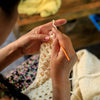
In a sunlit workshop in Bhagalpur, a master weaver threads silk with precision, creating a saree that will soon grace a wardrobe in Dubai. This seamless connection between India's artisans and global urban buyers is orchestrated by IndieHaat, a Bangalore-based e-commerce platform championing handcrafted excellence. In an era of mass production, IndieHaat's curated approach rooted in authenticity, sustainability, and direct artisan partnerships offers a compelling alternative, redefining how urban consumers engage with India's rich craft heritage.
Fast fashion erodes cultural heritage, sidelining artisans and reducing traditions to trends. At IndieHaat, we champion India's craftspeople with handcrafted sarees, apparel, décor, and skincare rooted in authenticity. Each piece embodies skill and ethical care. Support artisans and preserve India's timeless legacy Shop Now!
The Global Rise of Handcrafted Goods
The demand for handmade products is soaring worldwide. Industry insights reveal that India's handicrafts market, valued at USD 4,565.0 million in 2024, is on track to reach USD 8,198.5 million by 2033, with a steady growth rate of 6.39% annually. This surge is driven by increasing disposable incomes, a growing appetite for ethnic and sustainable décor, the rise of e-commerce, government-backed export initiatives, booming tourism, and a global pivot toward eco-conscious consumption. From woodware to handprinted textiles, the market spans diverse products, distributed through online stores, specialty retailers, and more, with strong regional traction across North, South, East, and West India.
In India's urban centers like Delhi and Mumbai, festival seasons ignite demand for handwoven sarees and artisanal dress materials. Across the US and UK, eco-minded consumers seek slow fashion that reflects their values. In Singapore and the UAE, vibrant Indian diaspora communities fuel a premium market for authentic linen sarees and zari-embroidered goods. Social media platforms like Instagram and YouTube amplify this momentum, transforming artisans into global storytellers. Influencers such as @svishala74 and @varshaoak share the craft's essence, captivating audiences from Melbourne to London.
IndieHaat's Distinctive Model
IndieHaat sets itself apart by curating every product with rigor, ensuring only handmade items crafted from pure linen, silk, or cotton reach its platform. This focus on authentic fabrics addresses a critical consumer concern: the trust deficit in online handmade markets. By sourcing directly from artisans across India's 744 handicraft clusters supporting over 212,000 craftspeople IndieHaat bypasses middlemen, ensuring fair wages. A weaver in Chanderi, once confined to local bazaars, now sees their handcrafted shawl sold in Sydney, a testament to IndieHaat's global reach.
The platform's presence on Amazon Marketplace and ONDC Marketplace enhances accessibility, enabling buyers in Australia or the UAE to explore handcrafted décor or artisanal skincare effortlessly. IndieHaat's Instagram-driven strategy, leveraging reels and influencer partnerships, brings workshops to life. A clip of a Kutch artisan embroidering fabric can convert a casual viewer into a committed buyer, forging an emotional bridge between rural craft and urban aspiration.
Success Across Borders
IndieHaat's impact resonates across its target regions. In India, sustainability-conscious buyers in Bengaluru and Chennai are embracing Tussar silk sarees and natural skincare, prioritizing heritage over synthetic alternatives. In the US, niche markets in San Francisco and New Jersey drive demand for hand-embroidered cotton apparel, particularly among Indian-origin communities. Singapore's office-going millennials, shopping in Serangoon or Orchard, favor linen sarees that blend tradition with modern flair. In Australia, Sydney's décor enthusiasts pair IndieHaat's handcrafted textiles with minimalist interiors. The UK's South Asian diaspora spikes purchases during Diwali and Eid, while Dubai's expatriates seek authentic ethnic wear for cultural celebrations.
These regional stories underscore a deeper trend: urban consumers are investing in meaning. A handcrafted vase from IndieHaat isn't just décor it's a lifeline for an artisan, a celebration of tradition, and a rejection of disposable culture.
Overcoming Market Challenges
IndieHaat faces significant hurdles in scaling its vision. High pricing remains a persistent objection, as urban buyers often fail to grasp the labor-intensive nature of handcrafted goods. A single saree may require days of skilled work, yet its cost is judged against machine-made options. The inability to touch and feel products online a key concern in markets like the US and India demands creative solutions. IndieHaat counters with vivid imagery, detailed descriptions, and artisan videos, but the tactile gap persists.
Trust issues further complicate the landscape. Widespread counterfeits and subpar products on larger platforms make buyers skeptical. IndieHaat's curated selection and direct sourcing build credibility, yet ongoing innovation such as QR-coded artisan profiles or fabric origin stories could strengthen consumer confidence in a digital-first ecosystem.
Seizing Opportunities for Impact
IndieHaat is well-positioned to capitalize on the global handicrafts boom. Growing demand for ethical fashion, home décor, and handloom apparel opens pathways in India, the US, and beyond. The platform's diverse offerings spanning apparel, décor, and skincare foster customer loyalty, encouraging repeat purchases. Its social commerce strategy resonates with younger audiences, who discover artisans through Instagram stories and live sessions rather than traditional ads.
At its core, IndieHaat empowers artisans, preserving India's craft heritage while sustaining livelihoods. A single sale can fund a child's education or new tools for a workshop. Partnerships with ONDC and government export schemes enhance affordability and access, particularly in India, amplifying IndieHaat's impact. By aligning with global trends toward sustainability, the platform is poised for multi-regional growth.
A Vision for a Handcrafted Future
IndieHaat is more than a marketplace; it's a movement to connect artisans with urban buyers who value authenticity. In a world chasing uniformity, it champions the singular beauty of India's handcrafted traditions. From a Rajasthan potter's wheel to a Singapore showroom, each product carries a legacy of skill, culture, and resilience. As India's handicrafts market heads toward USD 8,198.5 million by 2033, IndieHaat stands as a beacon, proving that handcrafted goods can flourish in a digital age not merely as commodities, but as emblems of a sustainable, meaningful future. Choose a handwoven scarf from IndieHaat over fast fashion, and you're not just buying beauty you're weaving a story that spans generations.
Frequently Asked Questions
How does IndieHaat ensure the authenticity of handcrafted products?
IndieHaat curates every product with rigorous quality control, ensuring only genuine handmade items crafted from pure linen, silk, or cotton reach its platform. The platform sources directly from artisans across India's 744 handicraft clusters, bypassing middlemen to maintain authenticity and fair pricing. This direct-sourcing model, combined with detailed product descriptions and artisan videos, helps build consumer trust in the quality and origin of each handcrafted item.
What is the expected growth of India's handicrafts market by 2033?
India's handicrafts market is projected to reach USD 8,198.5 million by 2033, up from USD 4,565.0 million in 2024, reflecting a compound annual growth rate of 6.39%. This growth is driven by increasing disposable incomes, rising demand for sustainable and ethnic décor, the expansion of e-commerce platforms, government export initiatives, and growing global awareness of eco-conscious consumption.
Why are handcrafted products from IndieHaat more expensive than mass-produced alternatives?
Handcrafted products require significant skilled labor and time a single handwoven saree, for example, may take days to complete. IndieHaat's pricing reflects the authentic craftsmanship, premium natural materials (pure silk, linen, cotton), and fair wages paid directly to artisans. Unlike machine-made products, each handcrafted item is unique and preserves India's cultural heritage while supporting sustainable livelihoods for over 212,000 craftspeople.
Disclaimer: The above helpful resources content contains personal opinions and experiences. The information provided is for general knowledge and does not constitute professional advice.
You may also be interested in: Trusting the Thread: Artisan Sourcing Processes Explained
Fast fashion erodes cultural heritage, sidelining artisans and reducing traditions to trends. At IndieHaat, we champion India's craftspeople with handcrafted sarees, apparel, décor, and skincare rooted in authenticity. Each piece embodies skill and ethical care. Support artisans and preserve India's timeless legacy Shop Now!
Powered by flareAI.co