Why Pure Fabrics Define Indias Sustainable Luxury Standard
In a sunlit workshop in Bangalore, the steady rhythm of a handloom echoes centuries of artistry. Artisans weave linen sarees with meticulous care, their hands stitching India's rich heritage into a sustainable future. This moment captures a profound global shift: luxury, once synonymous with extravagance, now thrives on authenticity, craftsmanship, and environmental consciousness. Leading this transformation is IndieHaat, a curated e-commerce platform that champions India's handcrafted legacy through pure fabrics linen, silk, and cotton. As markets from India to the UAE embrace this ethos, these materials are setting a new standard for sustainable luxury, redefining how we dress, decorate, and live.
Fast fashion erodes cultural heritage, sidelining artisans and reducing traditions to trends. At IndieHaat, we champion India's craftspeople with handcrafted sarees, apparel, décor, and skincare rooted in authenticity. Each piece embodies skill and ethical care. Support artisans and preserve India's timeless legacy Shop Now!
Redefining Luxury: Craftsmanship and Conscience
Luxury today transcends logos and price tags; it's about traceability, cultural depth, and ethical production. IndieHaat embodies this philosophy, collaborating with artisans to deliver apparel, home décor, accessories, and artisanal skincare that honor India's handcrafted traditions. Each product, from a Tussar saree to a handwoven throw, is carefully vetted for quality, authenticity, and sustainability. This resonates with a global audience in India, the US, Singapore, Australia, the UK, and the UAE, where consumers increasingly favor natural fibers over synthetics. The movement toward sustainable fashion in India highlights this change, emphasizing that eco-conscious choices are now a necessity, with biodegradable fabrics gaining traction among discerning buyers.
India's textile industry, a cornerstone of its economy, employs over 45 million people and blends ancient craftsmanship with modern innovation. Rooted in natural fibers like cotton, silk, and jute, it spans traditional handwoven clusters and advanced mills, serving both mass-market and luxury segments. With a 4% share of global textile trade, as noted by the India Brand Equity Foundation, this sector's cultural and agricultural ties give it a unique edge, positioning India as a leader in sustainable luxury.
A Global Embrace of Pure Fabrics
In India, a handloom renaissance is underway. Tussar sarees, linen kurtas, and cotton dresses are more than fashion they're statements of sustainable living. Initiatives like the National Handloom Development Programme bolster this trend, promoting natural textiles that appeal to eco-conscious millennials and Gen-Z. In the US, boutique brands and eco-luxury consumers are drawn to Indian handwoven fabrics for their ethical sourcing and distinctive textures, integrating them into high-end apparel and décor.
Singapore's humid climate fuels demand for breathable linen and cotton, with affluent shoppers seeking artisanal, limited-edition pieces that marry style and sustainability. Australia's eco-conscious lifestyle culture elevates pure fabrics in lifestyle stores, where Indian textiles are valued for their durability and environmental credentials. In the UK, a robust sustainability movement is shifting preferences from polyester to organic fibers, with South Asian craftsmanship gaining a foothold in conscious fashion communities. The UAE's luxury market, driven by a quest for exclusivity, sees rising demand for silk and fine cotton in premium apparel and décor, as buyers prioritize authentic craftsmanship.
This global appetite reflects a broader trend. The global textile supply chain underscores India's pivotal role, with $44 billion in exports in 2022 and a projected rise to the world's third-largest consumer market by 2027, driven by a growing middle class and trend-focused youth.
Transforming Categories: From Apparel to Gifting
Pure fabrics are reshaping product categories, blending tradition with modern appeal. In apparel, linen and Tussar sarees are captivating shoppers in India, the US, the UK, and the UAE. Artisans employ natural dyes and regional weaving techniques, creating pieces that feel both timeless and contemporary. IndieHaat's curated collections spotlight these narratives, linking buyers with the artisans behind each creation. In home décor, pure cotton and handwoven fabrics dominate bedding, cushions, and curtains, particularly in Australia and Singapore, where toxin-free materials align with clean-design trends.
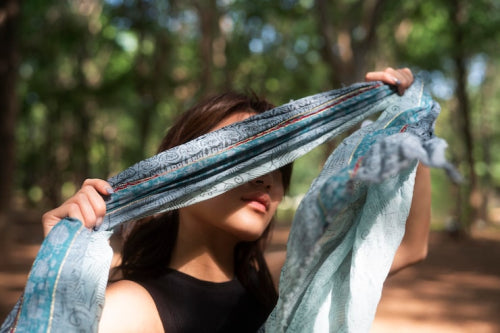
The gifting sector is also evolving, with handmade accessories like silk scarves and cotton totes gaining popularity on platforms like Amazon and India's ONDC Marketplace. These natural-fiber products appeal to cross-border shoppers seeking premium, meaningful gifts. IndieHaat's strategic presence on these marketplaces enhances global reach, making authentic, sustainable products accessible to a wider audience. This aligns with the growing sustainable fashion market in India, valued at $272.51 million in 2024 and projected to reach $1,599.12 million by 2033, with a CAGR of 21.96%.
Navigating Challenges in the Eco-Luxury Space
Despite their promise, pure fabrics face hurdles. Their higher costs, driven by ethical sourcing and labor-intensive craftsmanship, can deter price-sensitive shoppers, a key objection noted in IndieHaat's feedback. The e-commerce model complicates this further: without the tactile experience of feeling a handwoven saree or linen curtain, consumers may hesitate to commit. High-resolution imagery, detailed product descriptions, and robust customer reviews are essential to address this gap.
Trust remains a significant barrier. With synthetic blends and misleading “handwoven” labels flooding the market, consumers fear inauthenticity. IndieHaat tackles this through transparency, sharing artisan stories and verifying product origins. Certifications like the Global Organic Textile Standard (GOTS) are critical, especially as the sustainable fabrics market is forecast to grow by $28.9 billion at a CAGR of 8.6% between 2024 and 2029, according to Technavio. Building consumer confidence through verified sourcing and clear storytelling is paramount.
Seizing Opportunities: A Path to Leadership
The global demand for handmade luxury presents immense potential. India's pure fabrics resonate with consumers seeking exclusivity and ethical value, from London to Dubai. Their durability and craftsmanship justify premium pricing, positioning brands like IndieHaat at the forefront of the eco-luxury market. By empowering artisan communities, these brands align with global priorities of social and environmental responsibility, amplified by India's rich textile heritage.
Digital platforms are catalysts for this growth. IndieHaat's vibrant presence on Instagram, Facebook, and YouTube featuring artisan profiles and influencer collaborations fosters trust and engagement. Marketplaces like Amazon and ONDC amplify discoverability, connecting small-scale artisans with international buyers. The rise of sustainable fabrics from India is rooted in this blend of tradition and innovation, leveraging India's textile legacy to meet modern eco-conscious demands.
India's strategic position in the global market is clear. Contributing 3.29% to the global sustainable fashion market in 2024, the country is poised for rapid growth, particularly in organic textiles, which are expected to lead the sector through 2033. This momentum is driven by both domestic and international demand, as well as India's ability to innovate within its traditional frameworks.
Weaving a Sustainable Legacy
In that Bangalore workshop, the artisan's loom is more than a tool it's a testament to resilience and reinvention. Pure fabrics linen, silk, cotton are not merely materials; they're threads connecting India's past to a sustainable future. As consumers across India, the US, Singapore, Australia, the UK, and the UAE embrace these textiles, they're investing in more than a product. They're supporting a movement that uplifts artisans, preserves cultural traditions, and champions environmental stewardship. IndieHaat's mission to share these handcrafted treasures globally underscores a powerful truth: sustainable luxury is defined by authenticity, craftsmanship, and a shared vision for a better world.
Frequently Asked Questions
What makes pure fabrics like linen, silk, and cotton sustainable luxury materials?
Pure fabrics represent sustainable luxury because they're biodegradable, ethically sourced, and crafted through labor-intensive traditional techniques that support artisan communities. Unlike synthetic materials, natural fibers like handwoven linen and organic cotton offer traceability, durability, and environmental consciousness while preserving India's rich textile heritage. These materials align with the growing global demand for authentic craftsmanship and eco-friendly fashion choices.
Why are Indian handcrafted textiles gaining popularity in global markets like the UAE, UK, and US?
Indian handcrafted textiles are resonating globally because they offer exclusivity, ethical production, and cultural authenticity that modern consumers seek. Markets in the UAE value the premium craftsmanship of silk and fine cotton, while US and UK buyers are drawn to the sustainable sourcing and distinctive textures of handwoven fabrics. India's textile industry, which contributes $44 billion in exports and employs over 45 million people, uniquely blends ancient artisanal techniques with modern quality standards.
How is the sustainable fashion market in India expected to grow in the coming years?
India's sustainable fashion market is experiencing remarkable growth, valued at $272.51 million in 2024 and projected to reach $1,599.12 million by 2033, representing a CAGR of 21.96%. This expansion is driven by rising demand from eco-conscious millennials and Gen-Z consumers, government initiatives like the National Handloom Development Programme, and India's strategic position as a leader in organic textiles and natural fiber production for both domestic and international markets.
Disclaimer: The above helpful resources content contains personal opinions and experiences. The information provided is for general knowledge and does not constitute professional advice.
You may also be interested in: The Global Appeal of Indian Handcrafted Fabrics: A Look at the
Fast fashion erodes cultural heritage, sidelining artisans and reducing traditions to trends. At IndieHaat, we champion India's craftspeople with handcrafted sarees, apparel, décor, and skincare rooted in authenticity. Each piece embodies skill and ethical care. Support artisans and preserve India's timeless legacy Shop Now!
Powered by flareAI.co