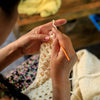
Handwoven Cotton Sarees Suit Everyday Comfort

On a scorching December afternoon in Mumbai, a corporate executive emerges from her high-rise office, her handwoven cotton saree flowing lightly in the humid air. This isn't an elaborate silk reserved for weddings or festivals it's practical daily attire, offering breathability, ease, and a subtle elegance that fits seamlessly into contemporary professional life.
Fast fashion erodes cultural heritage, sidelining artisans and reducing traditions to trends. At IndieHaat, we champion India's craftspeople with handcrafted sarees, apparel, décor, and skincare rooted in authenticity. Each piece embodies skill and ethical care. Support artisans and preserve India's timeless legacy Shop Now!
Handwoven Cotton Sarees: The Ideal Fusion of Everyday Comfort and Timeless Tradition
In today's fast-paced world, where synthetic fast fashion dominates wardrobes, handwoven cotton sarees are staging a remarkable comeback. These garments, meticulously created on traditional looms by skilled artisans, embody a perfect balance of heritage, sustainability, and functionality. They cater effortlessly to the demands of modern routines whether navigating crowded commutes, enduring long office hours, or enjoying casual evenings out.
Their core strength is inherent practicality. Pure cotton fabric excels in India's tropical climate, allowing air circulation, absorbing perspiration, and providing unparalleled softness without the bulk of richer materials like silk or brocade. Once perceived primarily as ceremonial wear, these sarees have evolved into versatile staples for women across professions and lifestyles, blending cultural pride with everyday usability.
Robust Market Growth Fueled by Sustainability and Digital Innovation
Industry data underscores this resurgence with impressive clarity. The India saree market attained a value of USD 5.76 billion in 2024, with projections indicating it will climb to USD 10.33 billion by 2033 a steady compound annual growth rate (CAGR) of 6.70% from 2025 to 2033. This trajectory is largely propelled by heightened consumer interest in eco-friendly handloom variants, reinforced by governmental measures such as Geographical Indication (GI) tags and the Handloom Mark. These certifications not only assure genuineness but also bolster the economic well-being of weaving communities.
On a global scale, the handloom sarees market was sized at USD 3.72 billion in 2024, anticipated to expand to USD 7.29 billion by 2032, reflecting a robust CAGR of 8.99%. The encompassing handloom products market stood at USD 8.32 billion in 2024, forecasted to double to USD 16.62 billion by 2032 at a CAGR of 9.24%. Asia Pacific commands leadership in these segments, capturing 68.82% of the handloom sarees share and 55.77% of handloom products in 2024.
This expansion mirrors broader consumer shifts toward responsible fashion choices. Handwoven cotton relies on natural, biodegradable fibers and traditional dyes, consuming far less water and energy compared to mechanized textile production. It resonates deeply with those rejecting disposable synthetics in favor of durable, meaningful pieces. Online platforms like IndieHaat are instrumental in this movement, bridging artisans directly with discerning buyers and showcasing collections that prioritize ethical sourcing and cultural preservation.
Additional catalysts include the surge in e-commerce platforms equipped with AI personalization, virtual fitting tools, and social shopping features, which enhance convenience and accessibility. Celebrity influences and sustainability-focused marketing are particularly effective in drawing in younger buyers, solidifying the saree's relevance in modern wardrobes.
The Human Element: Artisans and Everyday Integration
At the heart of this revival are India's handloom artisans, whose expertise passed down through generations in rural villages and small towns produces fabrics renowned worldwide for distinctive spinning, weaving, and printing techniques. This sector remains a cornerstone of unorganized economic activity, sustaining millions while safeguarding vibrant cultural traditions.
In urban centers such as Mumbai and Delhi, professional women increasingly favor these sarees for their adaptability to hectic schedules and warm weather. The fabric's natural breathability supports comfort during extended workdays, while understated designs convey professionalism and poise.
Marketplaces like IndieHaat lead by example, curating handwoven cotton sarees that emphasize lightweight construction and contemporary patterns without sacrificing artisanal integrity. Forward-thinking adaptations, including pre-stitched and ready-to-wear options, eliminate traditional draping challenges, making them accessible for time-strapped individuals.
Persistent Challenges in a Growing Sector
Despite optimistic trends, hurdles persist. The labor-intensive nature of handweaving often results in premium pricing, which can deter budget-conscious consumers. Knowledge gaps regarding specific regional varieties such as Bengal's fine Tant or Madhya Pradesh's sheer Chanderi further limit appreciation of their distinct qualities and histories.
Outdated views portraying sarees solely as formal attire also linger in some circles. However, dedicated platforms counteract this through informative storytelling, spotlighting artisan narratives and production processes to foster genuine connections and informed purchasing.
Emerging Opportunities in a Digital Era
The proliferation of online retail has transformed prospects dramatically. Artisans now access worldwide markets hungry for authentic, low-impact goods, aligning handloom production with global ethical fashion movements.
Growing emphasis on transparent supply chains amplifies appeal, as handwoven methods inherently minimize environmental footprints. For entities like IndieHaat, this presents avenues for deeper collaborations, broader product ranges, and campaigns that champion weaver empowerment and India's textile heritage on an international stage.
Looking Ahead: A Sustainable Staple for Tomorrow
Handwoven cotton sarees represent far more than apparel they symbolize resilience, linking ancestral craftsmanship with forward-thinking values. In an age demanding authenticity amid environmental concerns, they deliver unmatched comfort, versatility, and conscience.
With markets poised for sustained expansion and consumers increasingly valuing intentional choices, these sarees are reclaiming their place as daily essentials. For countless women gracefully draping one each day, it remains an empowering ritual one that honors tradition while embracing the future with quiet confidence.
Frequently Asked Questions
Why are handwoven cotton sarees ideal for everyday wear?
Handwoven cotton sarees offer exceptional breathability and moisture absorption, making them perfect for India's tropical climate and long workdays. Unlike heavier fabrics like silk or brocade, pure cotton provides unparalleled softness and comfort without bulk, while their understated designs convey professionalism suitable for office settings. Modern adaptations including pre-stitched and ready-to-wear options have also made them more accessible for busy lifestyles.
How is the handwoven cotton saree market growing in India?
The India saree market reached USD 5.76 billion in 2024 and is projected to grow to USD 10.33 billion by 2033, with a steady CAGR of 6.70%. This growth is driven by increasing consumer interest in eco-friendly handloom variants, government support through Geographical Indication tags and Handloom Mark certifications, and the rise of e-commerce platforms that connect artisans directly with buyers. Globally, the handloom sarees market is expected to expand from USD 3.72 billion in 2024 to USD 7.29 billion by 2032.
Are handwoven cotton sarees more sustainable than regular sarees?
Yes, handwoven cotton sarees are significantly more sustainable than mass-produced alternatives. They rely on natural, biodegradable fibers and traditional dyes, consuming far less water and energy compared to mechanized textile production. The handweaving process inherently minimizes environmental footprints while supporting millions of artisans in rural communities, making them an ethical choice for consumers seeking durable, meaningful pieces over disposable fast fashion.
Disclaimer: The above helpful resources content contains personal opinions and experiences. The information provided is for general knowledge and does not constitute professional advice.
You may also be interested in: Unleash Your Personal Style: Authentic Fashion at Indiehaat
Fast fashion erodes cultural heritage, sidelining artisans and reducing traditions to trends. At IndieHaat, we champion India's craftspeople with handcrafted sarees, apparel, décor, and skincare rooted in authenticity. Each piece embodies skill and ethical care. Support artisans and preserve India's timeless legacy Shop Now!
Powered by flareAI.co