
Banarasi Weaves Adapt to Modern Silhouettes
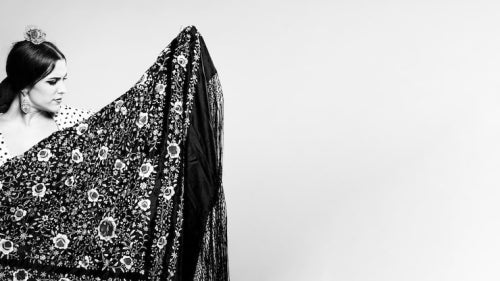
In the labyrinthine alleys of Varanasi, the steady clack of handlooms echoes through the morning mist a sound as timeless as the Ganges itself. Yet today, these artisans are crafting more than heirlooms; they are shaping the future of global fashion by adapting Banarasi weaves to contemporary silhouettes.
Fast fashion erodes cultural heritage, sidelining artisans and reducing traditions to trends. At IndieHaat, we champion India's craftspeople with handcrafted sarees, apparel, décor, and skincare rooted in authenticity. Each piece embodies skill and ethical care. Support artisans and preserve India's timeless legacy Shop Now!
Banarasi Weaves Adapt to Modern Silhouettes: Melding Tradition with Contemporary Fashion
Banarasi textiles, renowned for their luxurious silk and intricate zari work, are undergoing a profound transformation. Once confined largely to traditional sarees, these opulent fabrics now grace modern gowns, lehengas, jackets, and fusion ensembles, bridging centuries-old craftsmanship with today's dynamic style preferences.
Rooted in the Mughal era, Banarasi weaving has long symbolized grandeur, with heavy brocades adorned in gold and silver threads reserved for weddings and ceremonial occasions. In recent years, however, designers and consumers alike have pushed boundaries. Lighter tissues, subtle motifs, and versatile cuts have emerged, allowing Banarasi to transcend the classic six-yard saree and enter everyday wardrobes worldwide.
This evolution reflects broader shifts in consumer behavior. Younger generations seek pieces that blend cultural depth with practicality, while a growing emphasis on sustainability favors handloom over industrialized alternatives. The result? Pastel-toned Banarasi fabrics in soft mints, blushes, and powders, often featuring delicate florals that feel effortlessly modern.
Key Trends Driving the Revival
The resurgence hinges on innovative fusion. Traditional zari embellishments now complement structured blazers, crop tops, cape-style lehengas, and Indo-Western gowns. These adaptations preserve the weave's signature richness while aligning with global fashion sensibilities.
Sustainability has become a powerful catalyst. Handwoven Banarasi relies on natural silk, minimal energy, and generational skills qualities that stand in stark contrast to fast fashion's environmental toll. Government initiatives like Geographical Indication (GI) tags and the Handloom Mark further bolster authenticity, supporting artisans and promoting eco-friendly choices.
Market data underscores this momentum. The global handloom sarees market, valued at USD 3.72 billion in 2024, is projected to reach USD 7.29 billion by 2032, growing at a robust CAGR of 8.99%. In India specifically, the saree market stood at USD 5.76 billion in 2024 and is expected to climb to USD 10.33 billion by 2033, with a CAGR of 6.70% driven significantly by demand for sustainable handloom varieties.
Beyond borders, the broader ethnic wear market highlights similar promise, valued at over USD 108 billion in 2024 and forecasted to approach USD 198 billion by 2033 at a CAGR of 6.97%. Factors include festival-driven sales, rising online penetration, and preferences for sustainable fabrics.
Real-World Innovations and Platforms
Leading designers are at the forefront. Anita Dongre, for instance, seamlessly integrates Banarasi elements into contemporary collections, using lighter handwoven silks and modern tailoring to appeal to urban professionals and international clientele.
Digital marketplaces have accelerated accessibility. Platforms like IndieHaat source authentic handloom Banarasi directly from Varanasi's weaving clusters, offering global shipping to diaspora communities in the United States, United Kingdom, United Arab Emirates, and Singapore. By sharing artisan narratives and prioritizing fair trade, these sites transform traditional textiles into versatile staples dupattas, scarves, or fusion accessories that resonate with modern lifestyles.
E-commerce innovations, including AI personalization and virtual try-ons, further expand reach, making premium handcrafted pieces more discoverable and convenient for discerning buyers.
Challenges Amid Growth
Despite optimism, hurdles persist. Maintaining cultural authenticity while simplifying designs for broader appeal risks eroding intricate motifs passed down through generations. Powerloom replicas, produced quickly and cheaply, flood markets and undermine genuine handwoven goods, squeezing artisan incomes.
Supply chain vulnerabilities compound issues. Crafting a single elaborate saree demands weeks of meticulous labor, clashing with fast fashion's rapid cycles. Premium pricing, though justified by quality and ethics, competes against synthetic alternatives. Additionally, attracting younger weavers remains critical to preserving expertise in an era of alternative career paths.
Opportunities for Sustained Expansion
These challenges are outweighed by substantial opportunities. Rising global appreciation for ethical, handmade luxury positions Banarasi weaves advantageously. Collaborations between Indian artisans and international designers could spark further innovation, while continued e-commerce growth already capturing significant sales shares promises wider distribution.
As consumers increasingly value heritage alongside sustainability, Banarasi stands poised not merely to endure but to lead. Online artisanal platforms play a pivotal role, connecting Varanasi's looms directly to worldwide audiences and ensuring economic vitality for weaving communities.
A Timeless Craft Reimagined
In a fashion landscape often dominated by fleeting trends, Banarasi weaves offer a compelling reminder: true sophistication lies in evolution without loss of soul. By skillfully merging Mughal-era opulence with modern silhouettes, this enduring Indian craft continues to captivate, promising a vibrant legacy woven thread by thread into the fabric of tomorrow's style.
Frequently Asked Questions
How are Banarasi sarees being adapted for modern fashion?
Banarasi textiles are evolving beyond traditional six-yard sarees into contemporary silhouettes like structured blazers, crop tops, Indo-Western gowns, and cape-style lehengas. Designers are using lighter tissues, subtle motifs, and pastel tones in soft mints and blushes to create versatile pieces that blend centuries-old craftsmanship with modern style preferences. This transformation allows the luxurious silk and intricate zari work to enter everyday wardrobes worldwide while preserving the weave's signature richness.
Why is there growing demand for handloom Banarasi fabrics?
The handloom sarees market is experiencing robust growth, projected to reach USD 7.29 billion by 2032, driven primarily by sustainability concerns and authenticity. Younger generations increasingly prefer handwoven Banarasi over fast fashion because it relies on natural silk, minimal energy, and generational skills that align with eco-friendly values. Additionally, digital platforms and AI-powered e-commerce innovations have made authentic handcrafted pieces more accessible to global consumers seeking ethical, handmade luxury.
What challenges do Banarasi artisans face despite market growth?
Banarasi weavers struggle with powerloom replicas that flood markets with cheap alternatives, undermining genuine handwoven goods and artisan incomes. The meticulous craftsmanship required often weeks for a single elaborate saree clashes with fast fashion's rapid production cycles, while premium pricing must compete against synthetic alternatives. Attracting younger weavers to preserve traditional expertise and maintaining cultural authenticity while adapting designs for broader appeal remain critical challenges for sustaining this centuries-old craft.
Disclaimer: The above helpful resources content contains personal opinions and experiences. The information provided is for general knowledge and does not constitute professional advice.
You may also be interested in: How Handloom Weavers in India Are Adapting to Changing Fashion
Fast fashion erodes cultural heritage, sidelining artisans and reducing traditions to trends. At IndieHaat, we champion India's craftspeople with handcrafted sarees, apparel, décor, and skincare rooted in authenticity. Each piece embodies skill and ethical care. Support artisans and preserve India's timeless legacy Shop Now!
Powered by flareAI.co