Fusion Styles Blend Tradition With Contemporary Cuts
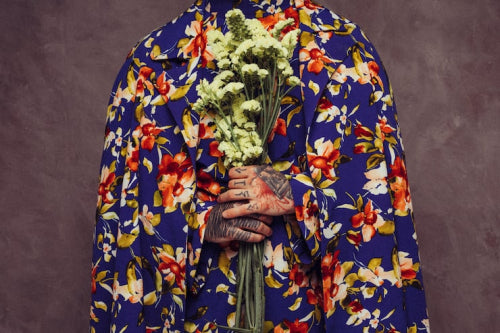
Imagine a professional in Mumbai pairing a sharply tailored blazer over a hand-embroidered kurta, striding confidently into a high-stakes meeting. Or picture a shopper in London layering a vibrant, block-printed scarf across a sleek wool coat, transforming a chilly afternoon into a celebration of color and craft. These scenes capture a powerful shift in global fashion: the rise of fusion styles, where centuries-old artisanal traditions meet bold, contemporary designs.
Fast fashion erodes cultural heritage, sidelining artisans and reducing traditions to trends. At IndieHaat, we champion India's craftspeople with handcrafted sarees, apparel, décor, and skincare rooted in authenticity. Each piece embodies skill and ethical care. Support artisans and preserve India's timeless legacy Shop Now!
Fusion Styles: The Perfect Blend of Tradition and Contemporary Cuts in Handcrafted Fashion
The artisanal fashion landscape is undergoing a profound transformation. Master craftsmen are reviving techniques like intricate embroidery, hand-weaving, and block printing, but reinterpreting them through modern silhouettes draped gowns from traditional sarees, cropped jackets adorned with heritage motifs, or tailored trousers paired with ethnic tops. This fusion not only preserves cultural legacy but elevates it for today's discerning wearer.
Beyond mere style, these pieces connect wearers to heritage while aligning with modern lifestyles. For online platforms and retailers focused on handcrafted goods, fusion represents a strategic bridge: honoring authentic craftsmanship while appealing to global audiences seeking unique, meaningful apparel, accessories, and even home décor.
Emerging Trends in Fusion Styles
In an increasingly interconnected world, fusion fashion is gaining momentum. Artisans and designers are skillfully merging time-honored methods with innovative cuts, creating garments that transcend cultural boundaries. Indian motifs, for instance, are influencing collections worldwide, from New York runways to Dubai boutiques.
Markets in India, the United States, Singapore, Australia, the United Kingdom, and the United Arab Emirates are at the forefront of this movement. The global ethnic wear market, which explicitly includes fusion clothing alongside traditional styles, stood at USD 99.5 billion in 2024 and is projected to reach USD 185.0 billion by 2034, growing at a compound annual growth rate (CAGR) of 6.4% from 2025 to 2034. This expansion is propelled by heightened appreciation for cultural diversity, multicultural events, international tourism, and the needs of expatriate communities maintaining ties to their roots.
Similarly, reports highlight surging demand for fusion wear worldwide, with consumers drawn to authentic yet versatile pieces. The continual blending of ethnic elements with contemporary trends is broadening appeal, revitalizing interest in handcrafted heritage while fitting seamlessly into urban routines.
Real-World Examples and Case Studies
Pioneering designers are leading this evolution with compelling collections. Masaba Gupta excels in vibrant, unconventional prints that fuse iconic motifs with modern fabrics and structures. Payal Singhal infuses youthful vibrancy into silhouettes grounded in Indian tradition, often adding playful embellishments.
Anita Dongre and Manish Malhotra frequently partner with skilled artisans to incorporate exquisite techniques like zardozi embroidery into ready-to-wear lines. Ritu Kumar maintains a reverent approach, updating classic crafts for current tastes, while Abraham & Thakore deliver understated elegance through minimalist fusion.
In hubs like New Delhi, Mumbai, and London, consumer enthusiasm is palpable. Shoppers increasingly choose items that blend personal expression with cultural depth a handwoven kurta styled with denim for work, or an embroidered gown for evening events. These collaborations between traditional craftsmen and visionary designers consistently produce bestselling lines, underscoring fusion's commercial viability and creative potency.
Key Challenges and Limitations
Despite its promise, scaling fusion styles presents significant obstacles. Procuring genuine raw materials natural dyes, specialty threads, and artisan expertise while adapting to contemporary manufacturing demands precision and restraint. Handcrafted production inherently resists mass scaling, complicating efforts to meet widespread retail demand.
Maintaining cultural integrity is paramount. Modern adaptations must avoid superficial appropriation, instead respecting and preserving the original significance of patterns and techniques. Pricing further compounds the issue: to ensure artisans receive fair wages, fusion pieces often carry higher costs, potentially limiting accessibility in price-sensitive segments.
Navigating these tensions demands thoughtful strategy, reminding stakeholders that authentic fusion thrives on equilibrium between innovation and reverence.
Opportunities and Business Impact
These challenges, however, illuminate expansive opportunities. Fusion styles enable artisanal businesses to penetrate diverse markets, from affluent buyers in the UAE to sustainability-focused consumers in Australia and diaspora communities abroad.
The format's inherent uniqueness supports customization, allowing brands to offer personalized options that foster deep customer connections. Sustainability is a core strength: many handcrafted processes rely on eco-friendly materials and ethical labor, aligning perfectly with rising preferences for responsible fashion.
Broader apparel trends reinforce this potential. The global women's apparel market, valued at USD 1,035.2 billion in 2024, is expected to grow to USD 1,372.7 billion by 2033 at a CAGR of 3.2% during 2025-2033, driven by evolving trends, higher disposable incomes, and demands for versatile workwear. Meanwhile, the ethnic wear sector encompassing both traditional and fusion attire has shown robust growth, fueled by global interest in culturally resonant clothing.
For online artisanal retailers, this translates to enhanced engagement through artisan narratives, exclusive drops, and cross-cultural partnerships, building enduring loyalty in a competitive arena.
The Future of Fusion
Looking forward, fusion styles are poised to reshape the international fashion narrative. Experts anticipate sustained momentum, with advancements like digital prototyping and virtual fittings enabling even more precise integrations of heritage techniques and cutting-edge aesthetics.
As consumer priorities evolve toward authenticity, versatility, and ethics, fusion will continue expanding boundaries safeguarding artisanal legacies while embracing bold creativity. For those in the handcrafted sector, the imperative is evident: invest in thoughtful innovation that roots progress in tradition. In an era hungry for substance amid abundance, brands mastering this harmonious blend will define the next chapter of global style.
Frequently Asked Questions
What is Tussar silk and why is it becoming popular?
Tussar silk is a wild silk variety produced by silkworms that thrive in India's forests, particularly among oak and arjun trees. It's gaining popularity due to its rich golden hue, natural texture, exceptional breathability, and eco-friendly credentials as consumers increasingly prioritize sustainable, biodegradable textiles over synthetic alternatives. The global Tussar silk market reached approximately USD 380 million in 2025 and is projected to grow to USD 565 million by 2035, driven by demand for ethically sourced, natural fabrics.
Where is Tussar silk produced and what are its main uses?
Tussar silk is primarily produced in Indian states such as Bihar, Jharkhand, West Bengal, and Odisha, where tribal communities and cooperative weavers maintain centuries-old practices. Beyond traditional Indian sarees and scarves, it's now used in contemporary fashion including dresses, stoles, and ready-to-wear pieces, as well as home décor applications like upholstery, curtains, and accent pieces. Its natural drape, temperature-regulating properties, and ability to accept dyes beautifully make it versatile for diverse climates and modern design aesthetics.
What are the main challenges facing the Tussar silk industry?
The Tussar silk industry faces several structural constraints, including labor-intensive production due to wild cocoon collection from forest trees, weather dependency, and limited scalability from hand-weaving processes. Climate change impacts on host forests threaten raw material availability, while premium pricing can deter price-sensitive buyers. However, these challenges present opportunities through enhanced e-commerce collaborations, modern weaving technologies, government-supported sericulture programs, and growing international partnerships that can improve distribution while preserving artisanal authenticity.
Disclaimer: The above helpful resources content contains personal opinions and experiences. The information provided is for general knowledge and does not constitute professional advice.
You may also be interested in: Fusion Ethnic Wear: Blending Tradition with Modern Trends
Fast fashion erodes cultural heritage, sidelining artisans and reducing traditions to trends. At IndieHaat, we champion India's craftspeople with handcrafted sarees, apparel, décor, and skincare rooted in authenticity. Each piece embodies skill and ethical care. Support artisans and preserve India's timeless legacy Shop Now!
Powered by flareAI.co