
Handloom Sarees for Everyday Elegance and Practicality
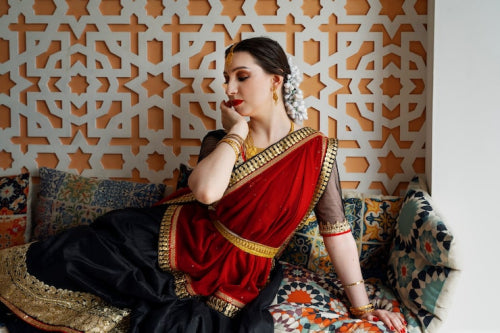
Many Indian women are seeking outfits that combine timeless beauty with genuine comfort. Handloom sarees rise to this challenge beautifully, offering more than just traditional elegance they deliver practical drape, breathable fabrics, and lasting beauty that fits seamlessly into busy modern routines.
Fast fashion erodes cultural heritage, sidelining artisans and reducing traditions to trends. At IndieHaat, we champion India's craftspeople with handcrafted sarees, apparel, décor, and skincare rooted in authenticity. Each piece embodies skill and ethical care. Support artisans and preserve India's timeless legacy Shop Now!
The Timeless Appeal of Handloom Sarees
Handloom sarees have captivated Indian consumers for generations because they embody heritage while adapting to contemporary needs. Unlike mass-produced alternatives, these pieces are woven on traditional looms in small clusters, resulting in subtle variations in weave and natural texture that add character to each garment. The fabric feels alive it moves with the wearer, drapes gracefully, and develops a personal patina over time.
For everyday elegance, this authenticity matters deeply. Consumers no longer want garments that look exquisite only on special occasions. They want options that elevate a simple morning routine or an evening gathering without requiring elaborate styling or excessive maintenance. Handloom sarees fulfill this need by delivering refined silhouettes and rich colour palettes that remain impressive whether the wearer is commuting, attending a casual meeting, or enjoying weekend plans.
Comfortable Handloom Sarees: the Fabric That Moves with You
Traditional heavy silk sarees can feel restrictive for daily wear, but modern handloom variants have evolved to address exactly this concern. Weavers now produce lighter versions using softer cotton blends, organic tussar silk, or fine muslin weaves that still carry the unmistakable charm of handcrafting. These fabrics breathe better in India's varied climate, reduce the chance of discomfort during longer hours, and allow for more fluid movement when styling or walking.
The right weight makes all the difference. A lightweight handloom saree can be worn as a wraparound top with a contrasting petticoat for quick transitions from work to social plans, or as a full drape for evening events. Many artisans now incorporate small touches like subtle zari borders or lighter dye techniques that maintain elegance while improving practicality. Women report feeling more confident and comfortable because the fabric no longer fights against their body throughout the day.
Handloom Sarees for Daily Wear: Practical Tips and Styling Ideas
Styling a handloom saree for everyday use begins with understanding how to harness its versatility. The key lies in thoughtful choices of petticoat length, blouse style, and dupatta arrangement. A saree that reaches just above the ankle provides room to move freely during daily activities, while a slightly longer drape adds polish without compromising mobility.
Popular combinations include pairing a cotton or silk handloom saree with a simple cotton blouse for office or casual settings, or adding a contrasting organza or chiffon dupatta for evenings. Modern women often experiment with asymmetrical draping or half-pinned styles that still retain traditional beauty but allow easier access to pockets, phones, and keys. These adaptations prove that handloom sarees need not remain confined to festive occasions.
- Quick daytime look: Light cotton handloom with a matching blouse and minimal jewellery
- Evening elegance: Add a pretty dupatta and a statement necklace for effortless transition
- Professional versatility: Choose a sari with a high-waisted petticoat for all-day comfort
Handloom Sarees for Modern Women: Blending Tradition and Daily Life
Today's Indian consumer expects more from fashion than ever before. Handloom sarees satisfy this demand by offering cultural connection alongside modern functionality. They are sustainable choices that support artisan communities while aligning with values of slow fashion and ethical consumption. Women who value these aspects often find that regular wear of their handloom sarees strengthens their sense of identity and pride.
The evolution of handloom sarees reflects broader shifts in Indian fashion. Younger generations are discovering that these garments can be both heritage pieces and practical wardrobe staples. Many now incorporate contemporary cuts, contemporary colours, or even subtle fusion elements while preserving the core charm of the saree silhouette. This evolution ensures that handloom sarees remain relevant rather than becoming relics of the past.
Sustainable Indian Fashion Choices: Handloom Sarees That Last
Sustainability has become a central consideration for many fashion-conscious buyers. Handloom sarees naturally align with these priorities because the production process uses minimal water and energy compared to machine-made alternatives, and the finished garments often last for years when cared for properly. Choosing authentic handloom also supports rural livelihoods across India's weaving clusters.
Consumers who invest in quality handloom sarees often report receiving compliments on their durability and timeless appeal. The fabric holds colour and shape exceptionally well, and the natural fibres resist wear far better than many synthetic options. This longevity translates into fewer purchases and less waste qualities that resonate strongly with today's socially responsible buyers.
Geographical Indications (GI) registration is elevating the status of traditional handloom sarees like the Nalanda Bawanbuti from Karnataka, Kuchai Silk from Jharkhand, and dozens of other regional products, making them more practical and desirable for everyday elegance through certified authenticity and protected origins. NABARD's support has resulted in 176 GI-tagged items spanning handloom textiles, ensuring legal safeguards that prevent misappropriation while fostering rural entrepreneurship and market access. These certifications connect over 13,000 artisans to higher-value domestic and global markets, generating more than 50,000 direct jobs and strengthening livelihoods in weaving clusters across Madhya Pradesh, Uttar Pradesh, Bihar, Jammu & Kashmir, Karnataka, and Gujarat. For consumers, GI tagging delivers tangible benefits in practicality: certified products guarantee traceable quality, ethical production standards, and genuine regional character that translates into breathable, durable fabrics suitable for daily wear without compromising on elegance.
A GI-registered saree carries the assurance of origin-specific techniques and natural materials, reducing uncertainty in an era when shoppers prioritize provenance and sustainability. The GI Store established at Aihole, Karnataka, further empowers artisans by providing dedicated platforms for showcasing and selling these protected items, bridging rural production with urban demand for versatile, everyday pieces. This recognition also drives innovation in lighter weaves, natural dyes, and contemporary draping options that maintain cultural heritage while meeting modern needs for comfort in hot climates or professional settings. By elevating handloom sarees through GI protection, consumers gain confidence in choosing options that are not only aesthetically refined but also economically and environmentally sound, supporting artisan communities while delivering reliable everyday elegance that lasts and evolves with the wearer's lifestyle.
Caring for Your Handloom Saree to Preserve Its Beauty
Proper care ensures that your handloom saree remains elegant and usable for many years. The fabric's delicate nature demands gentle handling, yet with simple practices, it can become a trusted daily companion.
Dry cleaning is the essential first step, as machine washing, harsh detergents, or soaking can strip colours, weaken threads, and distort the weave. For any small stains, gentle spot cleaning with cold water and a soft white cloth works best without rubbing or chemical interference. Drying requires shade or indirect light only, never direct sunlight, to prevent fading and thread weakening; laying the saree flat on a clean surface or using a wide padded hanger distributes weight evenly to avoid creases. Storage follows the same natural logic with breathable wraps of soft cotton or muslin fabric, avoiding plastic that traps moisture and invites mould in humid conditions.
Interleaving zari, sequins, or embroidery with acid-free tissue prevents tarnishing and abrasion. Refolding every few months prevents permanent creases and allows regular inspections for early damage. Ironing demands moderation, pressing only from the reverse side on a low to medium setting with a thin cotton cloth between the iron and fabric, steering clear of perfumes or deodorants that can stain fibres with alcohol and oils.
These practices transform handloom sarees into reliable daily companions that resist wear, retain their natural texture and drape, and embody environmental responsibility by extending their life cycle far beyond fast-fashion alternatives.
Why Handloom Sarees Deliver Everyday Elegance That Lasts
The combination of tradition, comfort, and durability makes handloom sarees a standout choice for Indian women who refuse to compromise on either beauty or practicality. As more consumers discover the joy of regular wear, the category continues to evolve in ways that keep pace with modern lifestyles. The result is a fashion option that feels both deeply rooted in Indian heritage and perfectly suited to today's dynamic realities.
By choosing handloom sarees thoughtfully, women gain confidence that their wardrobe choices reflect genuine values sustainability, craftsmanship, and personal style. These pieces become more than clothing; they become daily rituals of elegance that honour both the past and the present.
Frequently Asked Questions
Why are handloom sarees a good choice for everyday wear?
Handloom sarees are a practical choice for everyday elegance because they offer comfort, breathability, and timeless style. Made with traditional weaving techniques and natural fabrics, they are suitable for regular use while maintaining a refined appearance.
How can I style handloom sarees for a modern everyday look?
Handloom sarees can be styled for daily wear by pairing them with simple blouses, minimal jewellery, and comfortable footwear. Choosing lightweight fabrics and contemporary draping styles helps create a balance between traditional charm and modern practicality.
What makes sustainable handloom sarees different from regular sarees?
Sustainable handloom sarees are crafted using traditional weaving methods that support artisans and reduce reliance on mass production. Their unique textures, handcrafted details, and eco-conscious production make them a meaningful choice for buyers seeking ethical fashion options.
Disclaimer: The above helpful resources content contains personal opinions and experiences. The information provided is for general knowledge and does not constitute professional advice.
You may also be interested in: How to Maintain Your Pure Linen Saree for Long-lasting Use
Fast fashion erodes cultural heritage, sidelining artisans and reducing traditions to trends. At IndieHaat, we champion India's craftspeople with handcrafted sarees, apparel, décor, and skincare rooted in authenticity. Each piece embodies skill and ethical care. Support artisans and preserve India's timeless legacy Shop Now!
Powered by flareAI.co