
Digital Commerce Expands Opportunities for India's Traditional Textile Artisans
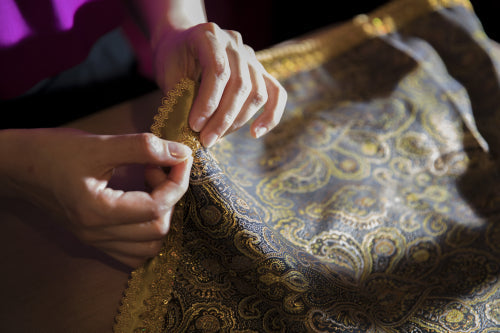
India's textile and handloom sector has long been a cornerstone of rural livelihoods, with countless artisans creating exquisite pieces that carry centuries of heritage. Yet reaching buyers beyond local markets has remained a challenge for many. Digital commerce is now bridging that gap, giving traditional textile artisans new ways to showcase their work, engage with global and domestic customers, and build sustainable businesses. This shift is especially powerful for the handmade goods sector, where direct sourcing from craftspeople ensures every item reflects authentic craftsmanship.
Fast fashion erodes cultural heritage, sidelining artisans and reducing traditions to trends. At IndieHaat, we champion India's craftspeople with handcrafted sarees, apparel, décor, and skincare rooted in authenticity. Each piece embodies skill and ethical care. Support artisans and preserve India's timeless legacy Shop Now!
The Power of Digital Platforms in Empowering Rural Artisans
Digital tools are transforming how Indian artisans operate, from product listing to customer engagement and payments. Platforms now offer built-in training on branding, photography, and marketing, allowing weavers and craftspeople to manage their own online stores without leaving their villages. Secure payment systems, inventory tracking, and logistics integration make it simple to handle orders from anywhere in the country. This hands-on support helps artisans maintain quality while expanding their reach, turning traditional skills into viable enterprises.
India's Government Initiatives Driving Growth in Digital Commerce
Several national programs are actively supporting the transition. The eSaras platform, developed under the Digital India Corporation and the Ministry of Rural Development, connects nearly nine crore Self-help Group members with online buyers. It features more than 1,400 products from rural producers, including handlooms, handicrafts, and home décor items. Over 50 SARAS Melas are held each year, while more than 800 buyers access the platform through ONDC-enabled applications.
Training modules on digital onboarding, packaging, and customer service are provided to SHG members, equipping them with skills to sell independently. The platform also supports multilingual access via BHASHINI and integrates with secure digital payments and logistics partners. These efforts create one of the world's largest women-led livelihood ecosystems, helping artisans diversify income beyond agriculture and reach nationwide markets.
Expanding Partnerships with Leading E-commerce Platforms
Complementing these efforts, the Development Commissioner for Handlooms has engaged 23 prominent e-commerce entities to market handloom products across the country. These partnerships help weavers list and sell directly on established platforms while receiving specialized training in online promotion and inventory management. Artisans are also being onboarded onto the Government e-marketplace (GeM) to offer products to government departments and organizations, creating steady B2B opportunities.
Included e-commerce modules in marketing training programs further bridge the digital divide. This coordinated approach addresses long-standing issues of limited market access and middlemen exploitation. Artisans retain higher margins and engage broader audiences without leaving their communities. The result is a practical expansion that strengthens rural economies and positions India's handloom and handicraft sector as a key contributor to the digital economy.
Overcoming Challenges in the Shift to Online Selling
While the opportunities are clear, many artisans face hurdles such as limited digital literacy, inconsistent internet access in rural areas, and the need for consistent product photography. Government and platform initiatives are addressing these through targeted training and support services. Mobile-first platforms and offline-to-online workflows make participation accessible even for those with basic connectivity.
Building trust is another key factor. Direct sourcing from artisans, transparent storytelling, and reliable delivery systems help conscious buyers connect with authentic pieces. As more artisans adopt these tools, the ecosystem becomes more inclusive and resilient.
The Future of Artisan Communities in a Digital World
The trajectory points toward even greater integration. As consumer demand for sustainable, culturally rich products grows, digital platforms will continue to play a central role in preserving Indian textile heritage. Artisans who embrace these opportunities can maintain traditional techniques while reaching new generations of buyers worldwide.
Collaborations between government programs, e-commerce giants, and platforms like IndieHaat are accelerating this progress. By combining heritage craftsmanship with modern commerce, India is creating models that blend cultural preservation with economic empowerment. The future of artisan communities looks brighter than ever, supported by technology that puts the creative voice of the craftspeople front and centre.
This ecosystem helps artisans diversify income sources beyond agriculture, improve earnings through value-added offerings, and reach nationwide and international markets directly. By fostering women-led livelihood models, eSaras contributes to the vision of empowering 6 crore Lakhpati Didis by 2029, creating one of the world's largest women-centric digital marketplaces. It supports sustainable rural development by reducing dependency on traditional middlemen, enhancing product visibility, and promoting inclusive growth. For the traditional textiles sector, this platform offers a scalable model that combines cultural preservation with modern commerce, demonstrating how government-backed digital infrastructure can transform artisans into active entrepreneurs while strengthening community resilience and economic participation.
Government-supported initiatives have engaged 23 prominent e-commerce entities to provide online marketing services to handloom weavers and artisans across India, creating a structured pathway for traditional textile producers to tap into digital marketplaces. These partnerships, facilitated through the Development Commissioner for Handlooms, enable weavers to list and sell their products directly via established platforms while receiving specialized training on digital selling techniques. In addition, artisans are being onboarded onto the Government e-marketplace (GeM) to sell directly to government departments and organizations, offering steady B2B opportunities. The inclusion of e-commerce modules in marketing training programs for weavers and artisans further bridges the digital divide, equipping rural producers with essential skills in online promotion, inventory management, and customer engagement. This coordinated effort addresses longstanding challenges of limited market access and middlemen exploitation by allowing artisans to retain higher margins and reach broader audiences without leaving their villages.
Frequently Asked Questions
How is digital commerce helping traditional textile artisans in India reach new customers?
Digital commerce platforms allow traditional textile artisans in India to showcase their handloom and handmade products to wider domestic and global audiences. These platforms provide tools for online selling, digital payments, logistics support, and customer engagement, helping artisans build sustainable businesses while preserving traditional craftsmanship.
What challenges do Indian handloom artisans face when selling products online?
Many handloom artisans face challenges such as limited digital literacy, inconsistent internet access, and difficulties with product photography and online marketing. Government and e-commerce initiatives are addressing these barriers through digital training, mobile-first platforms, and support for online business management.
How do e-commerce platforms support the growth of India's handloom and handicraft sector?
E-commerce platforms help India's handloom and handicraft sector by connecting artisans directly with buyers, improving market access, and reducing dependency on traditional middlemen. Partnerships with digital marketplaces and initiatives like eSaras and GeM provide artisans with opportunities to increase visibility, retain better margins, and participate in the digital economy.
Disclaimer: The above helpful resources content contains personal opinions and experiences. The information provided is for general knowledge and does not constitute professional advice.
You may also be interested in: How Indian Artisans Are Using Digital Platforms to Expand Their
Fast fashion erodes cultural heritage, sidelining artisans and reducing traditions to trends. At IndieHaat, we champion India's craftspeople with handcrafted sarees, apparel, décor, and skincare rooted in authenticity. Each piece embodies skill and ethical care. Support artisans and preserve India's timeless legacy Shop Now!
Powered by flareAI.co