
Fusion Ethnic Designs Merge Heritage With Modern Elements
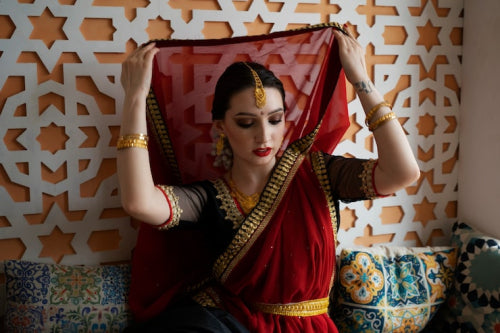
Imagine pausing at a vibrant market stall or while browsing a refined online collection, captivated by one garment that commands attention. It bears the depth of ancient motifs flowing paisleys born from South Asian looms or intricate geometric ikat from Indonesian artisans yet it flows with the sleek silhouettes and fresh palettes of contemporary style. This harmony is intentional. In today's dynamic world of fashion and interiors, fusion ethnic designs have emerged as a powerful narrative, demonstrating how heritage and innovation not only coexist but create something truly resonant and enduring.
Fast fashion erodes cultural heritage, sidelining artisans and reducing traditions to trends. At IndieHaat, we champion India's craftspeople with handcrafted sarees, apparel, décor, and skincare rooted in authenticity. Each piece embodies skill and ethical care. Support artisans and preserve India's timeless legacy Shop Now!
The Enduring Foundations of Ethnic Craftsmanship
Ethnic patterns transcend mere ornamentation. They function as living visual languages, transmitted across generations and carrying narratives of journeys, festivals, and everyday rituals. Consider the striking block prints originating in Rajasthan communities or the fine hand embroidery featured in traditional Mexican huipils. Such elements deliver an emotional depth often absent in standardized production. Designers who draw from these sources engage in thoughtful reinterpretation, offering fresh audiences a taste of genuine cultural richness amid a sea of uniformity.
The strength of these heritage motifs lies in their inherent humanity. Slight variations from hand-carved blocks, shifts in hue from natural dyes these nuances signal authentic craftsmanship. In an era dominated by flawless digital output, that tangible imperfection feels refreshing and deeply appealing.
Contemporary Twists That Revitalize Tradition
Contemporary design thinking adds vital energy to these roots. A classic African mud-cloth motif might simplify into clean geometric lines on a structured jacket. Traditional Japanese shibori techniques can translate into subtle all-over prints for comfortable, eco-friendly sportswear. The magic of fusion occurs where heritage supplies emotional substance and modern approaches deliver wearability and relevance. Relaxed yet defined shapes emerge, while color stories evolve from traditional earth shades toward bolder accents or gentle neutrals. The outcome feels anchored in history yet perfectly suited to the present.
Subtle technological support enhances this process. Advanced printing methods help preserve fine details when scaling historic designs onto innovative fabrics. Precision techniques transform old lace inspirations into airy modern layers. Global connections now enable rural creators to collaborate seamlessly with city-based studios, fostering kinder production models that prioritize both quality and community well-being over mere efficiency.
Silk as the Ideal Medium for Meaningful Blends
Silk stands out as an exceptional foundation for such cultural dialogues. Valued for generations across continents, it naturally connects diverse traditions through its luminous quality and adaptable drape. The fabric enhances every pattern with depth while moving gracefully between flowing ethnic forms and tailored modern cuts. According to recent analysis, the global silk market reached USD 20.0 Billion in 2024, underscoring sustained interest in this versatile material for textiles and beyond, driven by its distinctive properties and expanding roles in lifestyle applications.
Creators in the fusion realm gravitate toward silk for its respectful nod to legacy combined with room for inventive updates. A classic sari drape might evolve into an elegant asymmetric top. Rich Uzbek suzani details can reappear thoughtfully on a lightweight silk outer layer. Thanks to its breathable nature and inherent durability, these garments transition smoothly from daytime errands to evening occasions or from urban environments to relaxed escapes aligning closely with modern living needs.
Visible Influence Across Fashion and Living Spaces
Evidence of this trend appears readily at international design events or in curated retail spaces. Decorative cushions merge intricate Persian rug inspirations with understated Nordic tones. Wall textiles reinterpret vibrant African kente cloths through softer, artistic lenses ideal for current interiors. Apparel collections present updated kurtas with the easy comfort of classic workwear, incorporating practical features like discreet pockets and low-maintenance finishes.
Beyond visual charm, these items foster meaningful exchange. Observers often inquire about a pattern's background, sparking discussions on artisan support, respectful cultural sharing, and mindful manufacturing. At a time when genuine connections feel essential, fusion ethnic designs serve as effective catalysts for deeper appreciation.
Understanding Consumer Appeal in These Creations
The draw extends well past surface beauty. Today's buyers seek possessions with narratives and positive real-world effects. Selecting a fusion item frequently supports skilled makers who gain better access to wider audiences. It favors pieces crafted to develop character over time instead of quick replacement. Ultimately, these choices fulfill a natural wish for individuality expressed with quiet confidence.
- Versatility: Individual pieces adapt across varied settings, seasons, and activities with ease.
- Personal resonance: Patterns embed historical layers that connect emotionally, even upon first encounter.
- Enduring quality: Emphasis on skilled making over fleeting styles results in items that remain valued longer in both closets and homes.
Such advantages help clarify the lasting momentum behind this approach to design.
Addressing Key Considerations in Cultural Fusion
Responsible blending of influences demands attention and sensitivity. Thoughtful practitioners prioritize proper acknowledgment of origins and equitable returns to the communities whose traditions inspire the work. Concerns around cultural appropriation highlight the importance of collaborative processes built on mutual respect rather than one-sided borrowing.
Practical execution also involves challenges. Aligning artisanal techniques with contemporary production standards requires iteration and commitment. Those who dedicate the necessary effort often find the outcome worthwhile, yielding objects that customers form lasting attachments to rather than discarding seasonally.
Future Directions for Heritage-Inspired Innovation
The path ahead suggests continued evolution and depth. New capabilities in textile engineering may integrate traditional patterns more seamlessly into fabric construction itself. Growing awareness around environmental responsibility encourages greater use of plant-based colorants and regenerative methods that honor the ecosystems supporting these crafts. As diverse personal backgrounds shape preferences, fusion designs are likely to reflect ever-more inclusive and layered identities.
Strength emerges from equilibrium. Cultural roots provide stability and meaning, while forward-looking elements ensure movement and adaptability. Combined, they produce results exceeding simple addition garments and accents that feel both rooted in time and responsive to the moment.
The Significance of This Movement Today
Amid broader senses of disconnection, fusion ethnic designs quietly promote hope and unity. They illustrate that varied backgrounds can yield beauty, that ancestral knowledge retains relevance, and that imagination expands when boundaries loosen. From a silk accessory echoing generations of weaving expertise to a home textile reimagining folk elements for today's spaces, these creations encourage more considered and vibrant daily experiences.
When choosing something distinctive next, pause to reflect on the threads of story within it. The most rewarding selections often prove to be those that thoughtfully link yesterday's wisdom with today's realities. In the end, the true value of designs merging heritage with modern elements lies in their capacity not merely to adorn but to meaningfully enhance the way we live.
Frequently Asked Questions
What are fusion ethnic designs and how do they blend heritage with modern elements?
Fusion ethnic designs combine traditional cultural motifs such as South Asian paisleys, Indonesian ikat, or African mud-cloth patterns with contemporary silhouettes, fresh color palettes, and modern construction techniques. Rather than simply reproducing historical styles, designers thoughtfully reinterpret ancestral craftsmanship to create pieces that feel both culturally rooted and relevant to today's lifestyle. The result is clothing and home décor that carries emotional depth and storytelling while meeting modern demands for wearability and versatility.
Why is silk considered the best fabric for fusion ethnic fashion?
Silk has been valued across cultures for generations, making it a natural bridge between diverse textile traditions. Its luminous quality, adaptable drape, and breathability allow it to honor heritage techniques like Uzbek suzani embroidery or traditional sari weaving while adapting seamlessly to modern cuts and contemporary styling. The global silk market reached USD 20.0 billion in 2024, reflecting strong and sustained consumer interest in this versatile material for both fashion and lifestyle applications.
How can consumers support ethical and culturally respectful fusion ethnic design?
Shoppers can prioritize brands that transparently acknowledge the cultural origins of their designs and ensure equitable compensation flows back to the artisan communities whose traditions inspire the work. Choosing handcrafted or small-batch pieces over mass-produced fast fashion helps sustain skilled makers and preserves living craft traditions. Beyond purchasing decisions, simply asking about a pattern's background and sharing that story helps foster broader awareness around respectful cultural exchange and mindful manufacturing.
Disclaimer: The above helpful resources content contains personal opinions and experiences. The information provided is for general knowledge and does not constitute professional advice.
You may also be interested in: Hybrid Fashion Styles Blend Tradition and Contemporary Elements
Fast fashion erodes cultural heritage, sidelining artisans and reducing traditions to trends. At IndieHaat, we champion India's craftspeople with handcrafted sarees, apparel, décor, and skincare rooted in authenticity. Each piece embodies skill and ethical care. Support artisans and preserve India's timeless legacy Shop Now!
Powered by flareAI.co