
Maintaining Regional Authenticity in Modern Linen Saree Collections
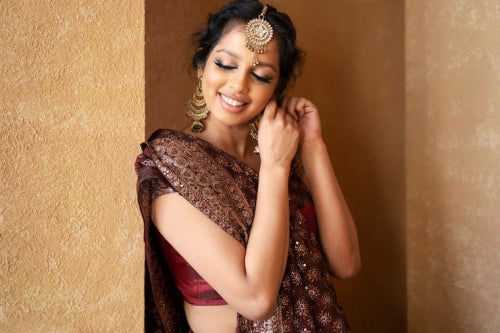
Linen saree collections today sit at an interesting intersection where heritage weaving traditions meet contemporary design expectations shaped by comfort, versatility, and everyday elegance. Rather than treating authenticity as a fixed aesthetic, designers and craft-led brands are reinterpreting it as something living: a continuous dialogue between regional textile knowledge and modern lifestyle needs. This shift is especially visible in how traditional Indian weaving systems are being adapted into lighter, breathable fabrics like linen without losing their cultural depth or storytelling richness.
For a curated craft marketplace like IndieHaat, this evolution is not just a design trend but a long-term value framework one that connects artisans, designers, and conscious consumers through a shared respect for regional identity and material honesty.
Fast fashion erodes cultural heritage, sidelining artisans and reducing traditions to trends. At IndieHaat, we champion India's craftspeople with handcrafted sarees, apparel, décor, and skincare rooted in authenticity. Each piece embodies skill and ethical care. Support artisans and preserve India's timeless legacy Shop Now!
Redefining Authenticity in Modern Linen Saree Collections
Authenticity in saree design is no longer limited to preserving older forms in their original state. Instead, it is increasingly defined by how respectfully those forms are adapted for present-day use. Linen sarees, in particular, have become a canvas for this reinterpretation because of their natural texture, breathability, and adaptability to both traditional draping and contemporary styling.
Designers are now prioritizing subtle craftsmanship cues woven borders, regional motifs, and hand-finished detailing over heavy ornamentation. This allows sarees to remain rooted in tradition while becoming more practical for everyday wear. The result is a category of garments that carries cultural continuity without compromising on usability.
This evolution reflects a broader industry mindset where craftsmanship is not preserved in isolation but reintroduced into modern wardrobes in ways that feel relevant and accessible.
Heritage Weaving Techniques Reimagined for Linen Fabrics
One of the most significant shifts in modern saree design is the thoughtful integration of traditional weaving techniques into contemporary fabric bases like linen. This includes reinterpretations of regional styles such as jamdani, patola, and baluchari, which are being adapted into lighter materials and more minimal silhouettes for modern consumers.
According to insights on the revival of regional weaving techniques, designers are increasingly collaborating with artisan clusters to translate heritage patterns into contemporary collections. These adaptations are not superficial redesigns but carefully considered transformations that preserve the essence of the original craft while improving wearability and accessibility.
Building on this perspective, contemporary industry analysis highlights how designers successfully reimagine traditional weaving patterns by incorporating modern color palettes and minimalist aesthetics suited to urban lifestyles. Techniques like jamdani, patola, and baluchari are being thoughtfully adapted for lighter fabrics such as linen, allowing garments to retain cultural storytelling while becoming more practical for everyday wear. This fusion strengthens the connection between heritage craftsmanship and modern wardrobe needs, ensuring that regional textile identities continue to evolve rather than fade.
In linen saree collections, this often means translating intricate weaving languages into breathable textiles that maintain visual identity while supporting modern lifestyles. The balance between tradition and function becomes the defining design principle rather than an afterthought.
Artisan Collaboration and the Reinvention of Craft Identity
The evolution of linen sarees is deeply tied to collaboration between designers and artisan communities. Rather than replacing traditional processes, modern design ecosystems are increasingly working alongside weavers to reinterpret regional craft knowledge for new formats and audiences.
As highlighted in research on safeguarding traditional Indian textiles, such collaborations allow age-old weaving traditions to be adapted for contemporary use while retaining their cultural integrity. Techniques associated with regional textiles like Kunbi or Ashavali sarees are being reimagined with softer textures, refined color palettes, and updated draping styles that align with current aesthetic preferences.
Innovative interventions by designers demonstrate that age-old textile traditions can be thoughtfully adapted for contemporary use while retaining their core integrity and cultural significance. Regional weaves are being reconfigured with updated drapes, softer hand-feels, and refined color palettes that appeal to modern sensibilities without erasing historical patterns or techniques. In linen saree collections, this translates into integrating heritage motifs and handcraft elements into breathable, lightweight fabrics suited for everyday elegance. Such approaches not only revitalize artisan communities by creating new market demand but also position handmade textiles as sustainable luxury alternatives in a global industry seeking authenticity and ethical production.
This approach creates a dual impact. On one hand, it helps artisan communities sustain their livelihoods by opening new design avenues. On the other, it allows consumers to engage with garments that carry layered cultural meaning without feeling constrained by formality or occasion-specific usage.
Why Regional Identity Still Shapes Modern Saree Demand
Even as fashion becomes more globalized, regional identity continues to play a defining role in how consumers evaluate authenticity. Linen sarees that reflect specific weaving traditions or local motifs tend to resonate more strongly because they carry a sense of origin and narrative.
Consumers are increasingly drawn to garments that communicate story over surface appeal. A woven border inspired by a specific craft cluster or a subtle motif referencing a regional technique often becomes a marker of value. This shift reflects a broader cultural preference for transparency and meaning in fashion choices.
Rather than diluting regional identity, modern linen saree collections are amplifying it through careful reinterpretation. The emphasis is not on replication but on respectful evolution ensuring that traditional knowledge systems remain visible within contemporary design language.
Sustainable Value Chains Through Craft-Led Design
The integration of heritage weaving into modern linen sarees also strengthens sustainability within the fashion ecosystem. When traditional techniques are incorporated into contemporary collections, they help sustain artisan economies and encourage the continued practice of regional crafts that might otherwise decline under industrial production pressures.
This model shifts the focus from mass production to craft-led value creation. Linen, as a natural and breathable fabric, complements this approach by aligning with low-impact production methods and long-term wearability. Combined with handwoven detailing, it supports a more conscious fashion lifecycle.
Importantly, sustainability here is not just environmental but also cultural. Preserving weaving traditions through adaptive reuse ensures that generational knowledge does not disappear but instead evolves into new forms of relevance.
The Role of Curated Marketplaces in Preserving Authenticity
Curated platforms like IndieHaat play a crucial role in maintaining the integrity of regional authenticity within modern linen saree collections. By working directly with artisans and craft clusters, such marketplaces help ensure that design evolution does not disconnect garments from their origins.
This curation process is particularly important in a market where mass-produced imitations can easily dilute the meaning of “handcrafted” or “traditional.” Through transparent sourcing and artisan-first collaborations, curated platforms help preserve trust between creators and consumers.
The Future of Linen Saree Collections and Regional Craft Evolution
The future of linen saree collections will likely be shaped by deeper integration between traditional weaving systems and contemporary design thinking. As designers continue to experiment with lighter fabrics and minimalist silhouettes, regional craft languages will remain central to ensuring that these garments retain depth and meaning.
The ongoing reinterpretation of heritage techniques into modern textiles signals a broader shift in how authenticity is understood in fashion. It is no longer about preserving the past in isolation, but about allowing it to evolve within present-day contexts while retaining its cultural roots.
In this evolving landscape, linen sarees stand as a compelling example of how tradition and modernity can coexist without compromise creating garments that are both wearable and meaningful, practical yet deeply connected to India's diverse textile heritage.
Frequently Asked Questions
What heritage weaving techniques are used in modern linen sarees?
Modern linen sarees often draw from heritage weaving techniques such as jamdani, patola, baluchari, Kunbi, and Ashavali styles. These traditional crafts are reimagined using breathable linen fabrics and softer textures without losing their original storytelling elements. The result is a blend of cultural heritage and contemporary design suited for urban wardrobes.
Why are curated marketplaces important for artisan-made linen sarees?
Curated marketplaces play a key role in preserving authenticity in artisan-made linen sarees by connecting consumers directly with craft communities. Platforms like IndieHaat support transparent sourcing and designer-artisan collaboration, ensuring that traditional weaving knowledge is preserved and fairly valued. This approach strengthens both cultural heritage and sustainable livelihoods in the textile ecosystem.
How do linen saree collections maintain regional authenticity in modern designs?
Linen saree collections maintain regional authenticity by reinterpreting traditional weaving techniques into contemporary, wearable forms. Designers incorporate heritage elements like woven borders, regional motifs, and hand-finished detailing while keeping silhouettes lightweight and minimal. This ensures cultural continuity while adapting sarees for modern lifestyles and everyday comfort.
Disclaimer: The above helpful resources content contains personal opinions and experiences. The information provided is for general knowledge and does not constitute professional advice.
You may also be interested in: Strategies for Maintaining Authenticity in Artisan Collections
Fast fashion erodes cultural heritage, sidelining artisans and reducing traditions to trends. At IndieHaat, we champion India's craftspeople with handcrafted sarees, apparel, décor, and skincare rooted in authenticity. Each piece embodies skill and ethical care. Support artisans and preserve India's timeless legacy Shop Now!
Powered by flareAI.co