
Evaluating Handloom Sarees for Durability and Longevity
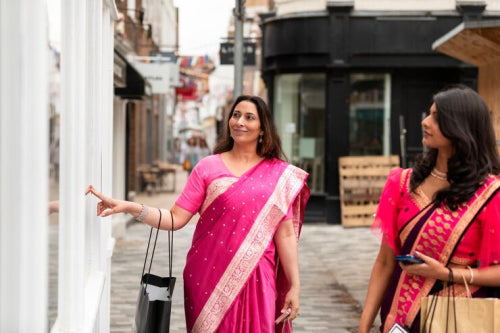
A handloom saree is more than a garment it is a long-term textile investment shaped by craftsmanship, fiber quality, and care practices. For buyers who value authenticity and longevity, understanding how to evaluate durability becomes essential before making a purchase. Unlike machine-produced fabrics, handwoven sarees carry subtle structural characteristics that directly influence how they age, soften, and retain their strength over time.
Fast fashion erodes cultural heritage, sidelining artisans and reducing traditions to trends. At IndieHaat, we champion India's craftspeople with handcrafted sarees, apparel, décor, and skincare rooted in authenticity. Each piece embodies skill and ethical care. Support artisans and preserve India's timeless legacy Shop Now!
What Determines the Durability of Handloom Sarees
The durability of a handloom saree begins with its authenticity. Genuine handwoven textiles are typically produced on traditional looms where yarn tension is controlled manually, allowing for a more flexible and less rigid fabric structure. This construction often results in textiles that become softer with age rather than breaking down prematurely.
One of the most reliable indicators of authenticity is certification. The Handloom Mark certification issued by the Government of India helps distinguish genuine handwoven products from machine-made alternatives. This certification ensures that the saree is crafted on hand-operated looms and not powerlooms, which directly impacts fabric behavior, longevity, and overall quality perception.
Durability is not defined by a single factor but by the interaction between yarn quality, weave structure, and fiber type. Natural fibers such as cotton, silk, and linen tend to maintain breathability and structural integrity when woven on handlooms, especially when compared with synthetic or heavily processed alternatives. These characteristics collectively determine how well a saree withstands repeated wear over time.
Certification and Authenticity Indicators
When evaluating handloom sarees, certification marks play a central role in quality assurance. Verified labeling systems such as the Handloom Mark and India Handloom Brand help buyers identify genuine artisan-made products. These certifications are not just symbolic; they validate production methods, material integrity, and compliance with established textile standards.
The Handloom Mark certification plays a crucial role in helping buyers evaluate durability and authenticity. Evaluating handloom sarees for durability begins with verifying official certifications that confirm genuine handwoven construction. The Handloom Mark, issued by the Government of India, serves as a reliable indicator of authenticity, ensuring the saree was crafted on traditional hand-operated looms rather than powerlooms. This distinction matters significantly for longevity because handloom weaving allows for gentler tension on yarns, resulting in fabrics that soften and improve with age instead of degrading quickly. Natural fibers like cotton, silk, and linen used in certified handlooms breathe better, resist pilling more effectively over time, and maintain structural integrity through repeated wear and proper care. Factors such as yarn quality, weave density, and the absence of harmful chemicals further contribute to extended lifespan.
For buyers seeking pieces that can become family heirlooms, prioritizing certified products helps avoid imitations that may use inferior materials or tight machine weaving prone to fraying and color fading. Practical evaluation tips include examining selvedges for slight natural irregularities, checking for consistent but not perfectly uniform motifs, and assessing the drape which often enhances with use. Proper maintenance complements these qualities: storing in breathable muslin away from sunlight, avoiding frequent harsh washing, and changing folds periodically prevent creases and fiber weakening. Such practices allow high-quality handloom sarees to retain their luster, strength, and cultural value for decades, making them not only sustainable choices but also wise investments that support artisan communities while delivering superior long-term performance compared to mass-produced alternatives. Handloom Mark certification
Authentic handloom sarees stand out for their superior durability and longevity when evaluated through specific quality markers established by industry standards. The identifying authentic handloom quality guidance highlights that genuine pieces typically carry the Handloom Mark or India Handloom Brand certifications, which verify hand-operated production, yarn quality, color fastness, and adherence to safety norms free from prohibited substances. These attributes translate directly to fabrics that withstand repeated use better than imitations, thanks to balanced weave structures that distribute stress evenly and natural fibers that age gracefully. During inspection, look for subtle irregularities in the weave and selvedges that signify manual craftsmanship rather than mechanical uniformity; these characteristics often correlate with better breathability and resilience.
Regional weaves incorporate time-tested techniques that enhance strength, such as interlocking motifs or specific yarn preparations suited to the climate and usage patterns. For longevity, prioritize higher thread counts in cotton or tightly twisted silks that resist pilling and maintain integrity. Practical tests include assessing drape and fall, which should feel substantial yet fluid, and checking zari for secure integration that won't fray easily. Combining these evaluation methods with knowledge of proper storage and gentle maintenance routines empowers consumers to select sarees capable of serving as durable wardrobe staples. This approach not only ensures personal satisfaction but also contributes to preserving traditional skills by rewarding high-quality artisanal work over cheaper, short-lived alternatives.
Another key authenticity marker is the presence of subtle irregularities in the weave. Unlike machine-produced textiles that are uniformly identical, handwoven sarees often display slight variations in motifs or edges. These variations are not defects they are indicators of manual craftsmanship and are often associated with better breathability and long-term structural strength.
Weave Quality, Yarn, and Fabric Behavior Over Time
The way a saree behaves over time is closely linked to how it is woven and the type of yarn used. Handwoven fabrics are generally known to distribute tension more evenly, which reduces stress concentration in specific areas of the textile. This structural balance allows the saree to maintain its form even after repeated use.
Natural fibers such as cotton and silk are commonly used in handloom weaving. These fibers are valued not only for their aesthetic appeal but also for their ability to age gracefully. Over time, high-quality handwoven fabrics often become softer while maintaining their structural integrity, provided they are woven correctly and not chemically over-processed.
Breathability is another important aspect that indirectly contributes to durability. Well-constructed handloom fabrics allow air circulation, which reduces moisture retention and helps prevent fiber degradation. Additionally, tightly controlled weave density and strong yarn twisting methods can improve resistance to pilling and surface wear.
How to Evaluate a Saree Before Purchase
Assessing a handloom saree before purchase requires attention to both visual and tactile details. One of the simplest checks is examining the selvedge the edge of the fabric. Slight irregularities in the selvedge often indicate manual weaving, whereas overly perfect edges may suggest machine production.
Motif consistency is another practical indicator. Handwoven sarees typically maintain pattern consistency, but not with mechanical precision. Small variations in alignment or spacing are expected and often signal artisan involvement rather than industrial production.
Drape is a crucial test for durability perception. A well-made handloom saree should feel fluid yet substantial when handled. Over time, quality handwoven fabrics often improve in drape, becoming more comfortable while retaining their structure.
Zari or decorative thread work should also be examined closely. Secure integration of metallic threads into the weave indicates better craftsmanship and reduces the risk of fraying during regular use. Loose or surface-applied embellishments may compromise long-term durability.
Care Practices That Extend Lifespan
Even the highest-quality handloom saree requires proper care to preserve its longevity. Storage plays a foundational role. Keeping sarees in breathable muslin cloth helps protect them from dust while allowing air circulation, reducing the risk of moisture buildup and fiber weakening.
Exposure to direct sunlight should be minimized, as prolonged UV exposure can weaken natural fibers and fade dyes. Rotating folds periodically also helps prevent permanent crease lines that may stress the fabric over time.
Washing practices should be gentle and infrequent. Harsh detergents or aggressive washing cycles can damage delicate handwoven structures. Instead, careful cleaning methods help maintain the integrity of the weave and extend the saree's usable life.
Common Mistakes That Reduce Longevity
One of the most common mistakes buyers make is treating handloom sarees like mass-produced garments. Excessive washing, improper storage, and exposure to harsh environments can significantly shorten their lifespan.
Another frequent issue is improper folding techniques. Repeated folding along the same lines can weaken fibers over time. Rotating folds helps distribute stress more evenly across the fabric surface.
Additionally, storing sarees in non-breathable plastic covers can trap moisture, which may affect natural fibers. Over time, this can lead to dullness, reduced softness, and structural fatigue.
Why Durability Matters for Modern Buyers
In contemporary wardrobes, durability is no longer just a functional requirement it is also tied to sustainability and long-term value. A well-made handloom saree can serve as a long-lasting wardrobe piece that evolves in texture and character over time.
For buyers who prioritize authenticity, durability also reflects craftsmanship quality. Handwoven textiles that age well often indicate careful yarn selection, skilled weaving techniques, and adherence to traditional production methods. These qualities contribute to both aesthetic appeal and functional longevity.
Durability also plays a role in cultural preservation. When buyers choose well-made handloom sarees, they indirectly support artisan communities and help sustain weaving traditions that have been passed down across generations. This makes each purchase both a personal investment and a contribution to craft continuity.
Handloom Quality Made Simple
Evaluating handloom sarees for durability and longevity requires a combination of technical awareness and appreciation for craftsmanship. From certification markers like the Handloom Mark certification to practical checks on weave structure, selvedge quality, and drape, each factor contributes to understanding how a saree will perform over time.
When combined with proper care practices and mindful purchasing decisions, a well-crafted handloom saree becomes more than attire it becomes a lasting textile asset that reflects heritage, skill, and thoughtful design. For modern buyers, this balance between durability and authenticity remains at the heart of meaningful textile selection.
Frequently Asked Questions
How can I check the durability of a handloom saree before buying?
To assess handloom saree durability, examine the weave, selvedge, and fabric drape closely. Slight irregularities in the weave and edges often indicate authentic handwoven craftsmanship rather than machine production. Also, check the yarn quality and ensure the fabric feels substantial yet fluid when handled, as this reflects long-term strength and comfort.
How should handloom sarees be cared for to improve their longevity?
Proper care significantly extends the life of handloom sarees. Store them in breathable muslin cloth, avoid prolonged sunlight exposure, and rotate folds periodically to prevent stress lines. Gentle washing with mild detergents and avoiding harsh cleaning methods helps preserve the weave, color, and overall fabric strength over time.
What certifications should I look for to ensure an authentic and long-lasting handloom saree?
Look for recognized certifications such as the Handloom Mark and the India Handloom Brand issued by the Government of India. These certifications verify that the saree is genuinely handwoven on traditional looms rather than machine-made. They also indicate adherence to quality standards, including yarn integrity and safer, more durable production practices.
Disclaimer: The above helpful resources content contains personal opinions and experiences. The information provided is for general knowledge and does not constitute professional advice.
You may also be interested in: Evaluating the Longevity and Wearability of Linen Sarees
Fast fashion erodes cultural heritage, sidelining artisans and reducing traditions to trends. At IndieHaat, we champion India's craftspeople with handcrafted sarees, apparel, décor, and skincare rooted in authenticity. Each piece embodies skill and ethical care. Support artisans and preserve India's timeless legacy Shop Now!
Powered by flareAI.co