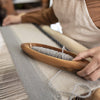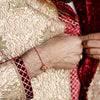

Tracing the Journey of a Handcrafted Saree From Loom to Wardrobe
Discover how a handcrafted saree travels from the loom, where artisans weave intricate patterns, to the wardrobe, reflecting cultural heritage and timeless craftsmanship.

The Craft Economy's Contribution to Rural Employment in India
India's craft economy plays a vital role in rural employment by empowering artisans, supporting livelihoods, and sustaining traditional skills across villages.

Stories of Artisans Who Have Sustained Family Weaving Legacies for Generations
Explore the stories of artisans who preserve family weaving traditions passed down for generations, keeping heritage craftsmanship alive through intricate textile art.

Cultural Significance of Handwoven Textiles in Contemporary Indian Celebrations
Handwoven textiles play a vital role in Indian celebrations, symbolizing heritage, craftsmanship, and cultural identity across weddings, festivals, and rituals in modern times.

Opportunities and Obstacles for Young Artisans Entering Traditional Crafts
Young artisans in traditional crafts face both opportunities and obstacles, from preserving heritage skills to gaining market access and adapting to modern demands.

Handcrafted Home Decor Gaining Popularity Among Conscious Indian Consumers
Handcrafted home decor is becoming a preferred choice among conscious Indian consumers who value sustainability, authenticity, and artisan craftsmanship in modern interiors.

How Minimalist Wardrobe Choices Are Driving Demand for Handloom Sarees
Minimalist wardrobe choices are reshaping fashion preferences, increasing demand for handloom sarees as consumers seek sustainable, versatile, and timeless ethnic wear.

Exploring Tussar Silk: Traditional Techniques in Contemporary Fashion
Tussar silk blends traditional weaving techniques with contemporary fashion, creating sustainable, elegant, timeless styles for modern wardrobes.