
Stories of Artisans Who Have Sustained Family Weaving Legacies for Generations
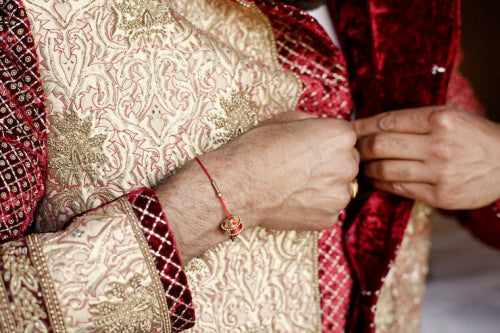
Behind every handwoven textile lies a lineage of memory, skill, and quiet dedication that often spans generations. In many weaving communities, craft is not simply a profession but a lived inheritance passed from elders to children through observation, repetition, and shared daily life. These family-based traditions continue to shape the identity of India's textile heritage, where each thread carries both cultural meaning and personal history. For readers drawn to Indian weaving artisan families, these stories reveal how craft survives not through institutions alone, but through households where weaving is a way of life.
Fast fashion erodes cultural heritage, sidelining artisans and reducing traditions to trends. At IndieHaat, we champion India's craftspeople with handcrafted sarees, apparel, décor, and skincare rooted in authenticity. Each piece embodies skill and ethical care. Support artisans and preserve India's timeless legacy Shop Now!
Living heritage shaped by weaving families
Across diverse regions, traditional Indian textile crafts remain deeply rooted in intergenerational knowledge systems where skills are transferred informally within families. According to UNESCO documentation on intangible cultural heritage, Indian textile traditions are recognized as living heritage sustained through community and family-based learning systems, where techniques such as loom handling, natural dyeing, and intricate motif creation are preserved through hands-on participation rather than formal instruction. This continuity ensures that cultural identity, ritual meaning, and historical memory remain embedded within everyday weaving practices. The documentation further highlights how these family-driven models foster resilience, economic self-reliance, and cultural cohesion, even as they face pressures from modernization and shifting markets. More details on this framework can be explored through UNESCO Indian textile traditions, which emphasizes how each textile becomes a vessel of storytelling, adaptation, and intergenerational pride.
This continuity allows craftsmanship to remain both culturally expressive and technically precise. Families often dedicate entire lifetimes to mastering complex weaving systems, where learning happens not in isolation but through daily participation in shared workspaces. The loom becomes a place where stories, rituals, and identity converge, reinforcing the idea that textiles are not only functional objects but also carriers of collective memory.
Within this framework, the concept of handloom weaving traditions India extends beyond production it becomes a cultural practice that binds generations together. Each woven piece reflects inherited knowledge and evolving interpretation, ensuring that tradition remains dynamic rather than static.
The cultural depth of generational weaving heritage
Weaving families often view their craft as more than economic activity; it is a cultural responsibility. In many households, children grow up surrounded by the sounds of spinning yarn, the rhythm of looms, and the visual language of textile patterns. This immersive environment creates an intuitive understanding of design and technique long before formal training begins.
The idea of generational weaving heritage India is deeply tied to this lived experience. Knowledge is not documented in manuals but absorbed through participation watching elders prepare threads, assist in dyeing, or align intricate patterns on the loom. Over time, this process ensures continuity while allowing subtle innovation to emerge naturally within the craft.
In many cases, weaving is also closely tied to ritual and identity. Patterns may reflect local symbolism, seasonal cycles, or community beliefs, making each textile an expression of both personal and collective meaning. This cultural depth is what gives handwoven textiles their distinct emotional value in a rapidly changing world.
Narayanpet saree weaving families and everyday craftsmanship
In the weaving clusters of Narayanpet in Telangana, family-based production continues to define everyday life. Entire households participate in the creation of handloom sarees, where the loom is integrated into domestic space and craft becomes part of daily rhythm. These weaving communities demonstrate how specialized skills are preserved through constant exposure and shared responsibility across generations.
In these Padmashali weaving communities, as documented in regional craft studies, multiple generations work together within the same household environment. Children grow up observing thread preparation, dyeing processes, and the interlocked weaving techniques that define Narayanpet's distinctive textile identity. This constant immersion ensures that knowledge is not only preserved but also refined over time through lived practice. More detailed ethnographic context can be found in Narayanpet saree weaving families, which highlights how craft, community, and continuity remain inseparable in this region.
As described in regional craft documentation, Padmashali weaving families have long sustained this tradition, with children growing up immersed in thread preparation, dyeing processes, and interlocked weaving techniques that define the region's distinctive textile identity. The result is a system where knowledge transfer is continuous and deeply embedded in family structure.
The cultural significance of these sarees extends beyond aesthetics. They often function as heirlooms, carrying emotional value across generations and marking important life events. Despite modern pressures and shifting economic conditions, these families continue to maintain their craft, reinforcing the importance of family weaving legacy India as both livelihood and cultural anchor.
Craft as identity: tradition, symbolism, and continuity
For many weaving families, textiles are not merely products but expressions of identity. The motifs, colors, and weaving styles often reflect shared histories and regional aesthetics passed down through generations. This makes each textile a narrative artifact one that carries the imprint of both tradition and individual interpretation.
The notion of handwoven textile heritage India captures this relationship between craft and cultural identity. Weaving becomes a language through which communities express continuity, resilience, and belonging. Even as techniques evolve, the symbolic core of the craft remains deeply rooted in familial knowledge systems.
In this context, the loom functions as more than a tool. It becomes a space where memory is preserved and reinterpreted. Families often maintain subtle variations in patterns that distinguish their work, reinforcing identity while remaining connected to broader community traditions. This balance between individuality and shared heritage is a defining feature of generational weaving systems.
Pressures on artisan weaving communities and evolving realities
While weaving families continue to preserve their traditions, they also navigate significant pressures from modernization, shifting markets, and changing lifestyle aspirations. Younger generations in some communities face decisions about whether to continue ancestral crafts or explore alternative livelihoods. These transitions influence how knowledge is transmitted and sustained.
At the same time, weaving remains deeply embedded in cultural and emotional life. For many families, it is not simply a profession to be replaced but a heritage to be adapted. Innovation often emerges quietly within these communities as artisans adjust to new materials, market demands, or design preferences while preserving core techniques.
The resilience of artisan weaving communities lies in their adaptability. Rather than abandoning tradition, many families integrate incremental changes that allow craft to remain relevant. This ongoing negotiation between preservation and evolution ensures that weaving continues to function as both cultural expression and economic activity.
Why conscious consumers are reconnecting with weaving heritage
As awareness grows around sustainable fashion and ethical sourcing, more consumers are seeking to understand the human stories behind what they wear and use. This shift has brought renewed attention to sustainable fashion weaving traditions, where authenticity and craftsmanship play central roles in purchasing decisions.
For culturally engaged audiences, the appeal lies in transparency and connection. Knowing that a textile is the result of generational skill rather than mass production adds emotional depth to ownership. It transforms consumption into participation in a larger cultural narrative.
Platforms like Indiehaat contribute to this shift by curating access to handcrafted goods that highlight artisan identity and family-based production systems. This not only supports economic sustainability for artisans but also helps preserve intangible cultural heritage by making it visible and valued in contemporary markets.
In this way, Indian handloom stories are no longer confined to craft clusters they become part of a broader dialogue between makers and consumers, tradition and modernity, heritage and design.
sustaining threads of heritage across generations
The stories of weaving families reveal a deeper truth about craftsmanship: it survives not through preservation alone, but through lived continuity. Every generation adds subtle variations to inherited knowledge, ensuring that tradition remains both stable and evolving. Whether in household looms or regional clusters, these practices reflect a shared commitment to cultural memory and creative resilience.
As interest in ethical and handcrafted goods continues to grow, the role of traditional Indian loom weaving becomes even more significant. It represents not only a connection to the past but also a model for sustainable cultural and economic ecosystems. Supporting these traditions means recognizing the value embedded in every handwoven thread and the generations of knowledge that make it possible.
Frequently Asked Questions
How do Indian weaving families pass down their craft across generations?
Weaving knowledge is rarely taught through formal instruction children absorb it by growing up around the loom, watching elders prepare threads, dye yarns, and align intricate patterns. This hands-on, daily immersion builds an intuitive grasp of design and technique long before any deliberate training begins. Over time, the craft is refined rather than simply repeated, allowing tradition to stay alive while still evolving naturally.
What makes Narayanpet saree weaving families in Telangana unique?
In Narayanpet, the loom is woven into the rhythm of everyday domestic life, with entire households often from the Padmashali community sharing responsibility for saree production. Children learn thread preparation, dyeing, and the region's signature interlocked weaving techniques simply by living alongside the craft. This constant exposure preserves Narayanpet's distinctive textile identity while keeping skills sharp across generations.
Why are consumers increasingly drawn to handloom textiles tied to family weaving legacies?
Growing interest in sustainable and ethical fashion has shifted attention toward the human stories behind handcrafted goods. Buyers are drawn to the authenticity of textiles shaped by generational skill rather than mass production, finding emotional meaning in that connection. Platforms that highlight artisan identity help make this heritage visible, turning a simple purchase into participation in a larger cultural narrative.
Disclaimer: The above helpful resources content contains personal opinions and experiences. The information provided is for general knowledge and does not constitute professional advice.
You may also be interested in: Stories From Weavers in Southern India Put a Face to Craft Economies
Fast fashion erodes cultural heritage, sidelining artisans and reducing traditions to trends. At IndieHaat, we champion India's craftspeople with handcrafted sarees, apparel, décor, and skincare rooted in authenticity. Each piece embodies skill and ethical care. Support artisans and preserve India's timeless legacy Shop Now!
Powered by flareAI.co