
Why Quality Matters More Than Quantity in Fashion
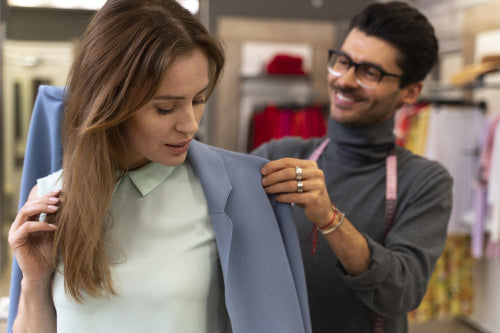
Fashion choices often reflect more than personal style. They reveal how people think about value, responsibility, and long-term use. While buying more pieces may seem like an easy way to refresh a wardrobe, the growing focus on thoughtful consumption has shifted attention toward a more important question: does every purchase truly add value? The idea of quality over quantity in fashion encourages consumers to look beyond trends and consider craftsmanship, durability, versatility, and the story behind each garment.
For shoppers who want a more meaningful wardrobe, quality is not simply about paying more. It is about choosing pieces that are designed with care, made with reliable materials, and created to remain relevant beyond a single season. This approach aligns with the principles of mindful consumption and helps build a stronger connection between the wearer and what they own.
Fast fashion erodes cultural heritage, sidelining artisans and reducing traditions to trends. At IndieHaat, we champion India's craftspeople with handcrafted sarees, apparel, décor, and skincare rooted in authenticity. Each piece embodies skill and ethical care. Support artisans and preserve India's timeless legacy Shop Now!
The Shift From More Clothing to Better Clothing
Fashion has traditionally encouraged frequent buying through changing trends, seasonal collections, and the appeal of constant novelty. However, many consumers are beginning to question whether a larger wardrobe actually creates better style. A closet filled with items that are rarely worn can create more clutter than confidence. The movement toward thoughtful purchasing is changing how people evaluate clothing.
Instead of asking how many pieces they can add, shoppers are considering whether a garment fits their lifestyle, complements existing outfits, and can remain useful over time. This shift does not mean avoiding fashion or personal expression. It means making decisions with greater awareness. A well-designed piece can offer more styling possibilities than several low-quality alternatives that quickly lose shape, comfort, or appeal.
Why Quality Matters in Fashion Choices
starts with recognising the elements that influence a garment's long-term value. Fabric selection, construction techniques, finishing details, and attention to design all contribute to how a piece performs over time. High-quality clothing often provides benefits that are not immediately visible at the point of purchase.
Stronger materials can improve durability, careful stitching can support better wear, and thoughtful design can make a garment easier to use across different occasions. Quality also changes the relationship between consumers and their wardrobes. When people choose items they genuinely appreciate, they are more likely to care for them, repair them when possible, and continue wearing them rather than replacing them quickly.
Craftsmanship Creates Value Beyond the Product
One of the strongest arguments for choosing quality is the human expertise involved in creating well-made fashion. Craftsmanship represents knowledge developed through skill, practice, and attention to detail. Unlike products created purely around speed and volume, artisan-made pieces often carry visible signs of the maker's expertise. The importance of craftsmanship in fashion extends beyond appearance. It connects clothing with techniques, traditions, and creative decisions that give each piece a distinct identity.
For consumers, this creates a sense of ownership that goes beyond simply adding another item to a collection. Thoughtful design decisions, from fabric choices to finishing touches, can influence how a garment feels, how it fits, and how long it remains a valued part of a wardrobe. This is why handcrafted fashion continues to appeal to shoppers seeking authenticity and individuality. The value of thoughtful fashion choices is also connected to taste and discernment in fashion choices. Developing stronger judgment in fashion can help consumers move away from endless choices and focus on pieces with lasting relevance, distinctive design, and a closer connection to their own style preferences.
Quality Over Quantity Supports More Sustainable Fashion Choices
is closely connected to how consumers think about quality. Fast-moving fashion cycles often encourage frequent purchasing, while slower approaches focus on intentional design, responsible choices, and longer product use. Choosing fewer, better-made pieces can help consumers create wardrobes that are easier to manage and more aligned with their personal values.
A carefully selected collection of clothing allows people to focus on versatility rather than constantly searching for replacements. Sustainable fashion choices are not only about the materials used in production. They also involve changing purchasing habits.
Buying garments that serve a clear purpose, suit personal style, and remain wearable over time can support a more considered approach to fashion. However, quality should always be evaluated through real factors such as construction, material performance, and transparency rather than assumptions based only on price. A higher cost does not automatically guarantee better craftsmanship. The growing interest in quality-focused fashion reflects a wider shift in consumer behaviour. Discussions around rise of quality as a consumer trend highlight how shoppers are increasingly seeking clothing that offers lasting usefulness, thoughtful production, and meaningful value rather than simply following short-term trends.
How to Build a Quality Wardrobe with Intent
Building a thoughtful wardrobe does not require replacing everything at once. It begins with understanding personal needs and making more deliberate choices over time. A quality wardrobe is built through selection rather than accumulation.
Focus on Versatility
Pieces that work across multiple settings often provide greater value. Clothing that can be styled in different ways allows consumers to create more combinations without constantly adding new items.
Pay Attention to Materials and Construction
Small details can reveal a great deal about a garment's potential lifespan. Fabric quality, stitching, finishing, and overall structure are useful indicators when deciding whether an item deserves a place in a wardrobe.
Choose Pieces with Personal Meaning
A meaningful wardrobe is not only practical; it is personal. Items connected to craftsmanship, cultural heritage, or individual taste often become pieces people continue to value long after trends change.
The Consumer Value of Buying Fewer, Better Pieces
extend beyond durability. Quality-focused purchasing can make fashion decisions simpler by reducing impulse buying and encouraging stronger connections with individual pieces. Consumers who prioritise quality often develop a clearer understanding of their preferences. They become more aware of the colours, silhouettes, fabrics, and designs that genuinely suit them instead of following every passing trend.
This approach can also create a more rewarding ownership experience. A garment that continues to perform well and reflect personal style becomes more than an item in a wardrobe; it becomes part of a person's everyday life. For fashion brands and marketplaces, this shift highlights the importance of transparency, thoughtful curation, and respect for craftsmanship. Customers increasingly want to understand the value behind what they purchase, including the people, processes, and choices involved in creating each piece.
Why Thoughtful Fashion Choices Matter for the Future
The movement toward quality-focused fashion reflects a broader change in how people define value. Consumers are becoming more selective, looking for products that combine aesthetics, function, and meaning. Fashion built around quality encourages a more balanced relationship between creativity and consumption.
It gives designers, artisans, and makers the opportunity to focus on details that make products distinctive rather than relying only on volume. For shoppers, choosing quality means creating a wardrobe that feels intentional. It means investing attention in pieces that support personal style while respecting the effort behind their creation.
Frequently Asked Questions
Why does quality matter more than quantity in fashion?
Quality matters more than quantity in fashion because well-made garments often provide better durability, comfort, and long-term value. Choosing fewer high-quality pieces helps create a more intentional wardrobe while reducing the need for frequent replacements.
How can I build a quality wardrobe with sustainable fashion choices?
A quality wardrobe can be built by choosing versatile pieces made with reliable materials and careful construction. Sustainable fashion choices involve buying items that fit your lifestyle, remain useful over time, and reflect thoughtful consumption rather than short-term trends.
What are the benefits of buying quality clothes instead of fast fashion?
Buying quality clothes can improve wardrobe satisfaction by offering better craftsmanship, lasting wear, and stronger personal connection with each piece. Compared with fast fashion, quality-focused choices encourage mindful purchasing and help consumers value design, materials, and the effort behind garment creation.
Disclaimer: The above helpful resources content contains personal opinions and experiences. The information provided is for general knowledge and does not constitute professional advice.
You may also be interested in: Handmade Sarees from Indian Artisans: A Buyer's Guide
Fast fashion erodes cultural heritage, sidelining artisans and reducing traditions to trends. At IndieHaat, we champion India's craftspeople with handcrafted sarees, apparel, décor, and skincare rooted in authenticity. Each piece embodies skill and ethical care. Support artisans and preserve India's timeless legacy Shop Now!
Powered by flareAI.co