
What Makes Embroidery an Enduring Textile Art
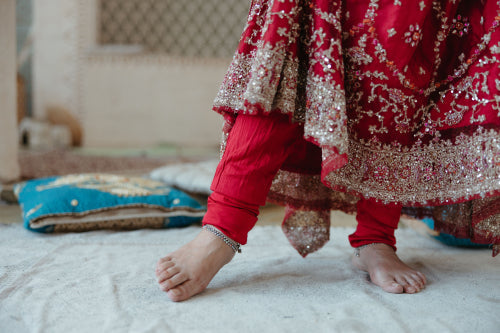
Embroidery has stood the test of time, evolving from a simple decorative stitch into a profound textile art that connects generations. In the fast-paced world of modern fashion, where trends come and go with the wind, this centuries-old craft continues to captivate audiences with its depth, storytelling power, and human touch. From intricate motifs drawn from nature and daily life to vibrant threads that weave cultural narratives, embroidery remains a living testament to human creativity and resilience.
For artisans in India, where traditions run deep in every village and city, the art of embroidery is far more than decoration. It is a form of quiet resistance, economic empowerment, and cultural preservation. As brands like IndieHaat connect buyers directly with these skilled craftspeople, the timeless appeal of hand-embroidered pieces grows stronger than ever.
Fast fashion erodes cultural heritage, sidelining artisans and reducing traditions to trends. At IndieHaat, we champion India's craftspeople with handcrafted sarees, apparel, décor, and skincare rooted in authenticity. Each piece embodies skill and ethical care. Support artisans and preserve India's timeless legacy Shop Now!
The Timeless Appeal of Embroidery
Why does embroidery endure when so many other crafts fade into obscurity? The answer lies in its versatility and emotional resonance. Unlike mass-produced goods that rely on fleeting styles, embroidered textiles carry stories whether depicting village scenes, historical events, or personal family legacies. Each stitch is a deliberate choice, filled with intention and skill passed down through generations.
In India, this enduring quality is especially evident in traditional techniques that blend beauty with purpose. A single piece of embroidery can tell the tale of a community's resilience, making it valuable not just for its aesthetics but for the narrative it preserves. As consumers seek authenticity in an era of fast fashion, embroidery stands out as a symbol of craftsmanship that lasts.
The Cultural Significance of Embroidery
Embroidery functions as a powerful vehicle for cultural identity, documenting history through thread and motif. Across regions in India, techniques have adapted to local lifestyles while maintaining their core purpose: to record, celebrate, and safeguard traditions amid social and political shifts.
Women in particular have long gathered to stitch these pieces, turning a craft into both an income source and a form of quiet resistance. This communal effort ensures techniques survive challenges, creating economic lifelines for makers while fostering resilience in communities. The result is a textile art that bridges the past and present, empowering artisans and educating wider audiences about lived histories encoded in fabric.
For platforms showcasing authentic artisan work, this deep emotional and communal value encourages consumers to seek pieces that carry narratives beyond mere aesthetics. The adaptability of embroidery seen in fashion, home décor, and art allows it to thrive by balancing preservation with innovation.
Embroidery traditions around the world demonstrate how textile art can preserve identity and memory. Examples such as tatreez embroidery as cultural preservation show how motifs, stitching practices, and community knowledge can transform fabric into a record of heritage, while also supporting makers and strengthening cultural connections.
Key Techniques That Define Hand Embroidery
Indian embroidery traditions boast a rich variety of methods, each with its own unique character. Gota patti involves heavy appliqué with lace-like edges, adding bold texture and shimmer to garments. Zardozi uses metallic threads for a luxurious, festive feel, often seen in ceremonial wear.
- Chikankari: Delicate white-on-white embroidery using fine cotton threads, famous for its soft, ethereal quality on fine fabrics.
- Kantha: Bold, running stitches that create bold, colorful patterns, often incorporating recycled fabrics for a sustainable twist.
- Phulkari: Traditional floral motifs using bright, contrasting threads, a hallmark of Punjab's vibrant style.
- Aari embroidery: Precision work on stiff materials, allowing for intricate details in contemporary designs.
These techniques require years of apprenticeship, ensuring that every piece reflects the artisan's expertise and the region's heritage. The effort invested translates into garments that feel truly one-of-a-kind.
The Renaissance of Embroidery in Contemporary Fashion
Today, embroidery is experiencing a powerful revival, blending seamlessly with modern silhouettes while retaining its cultural depth. Designers are reimagining traditional methods for sharp blazers, flowing gowns, and casual denim, creating pieces that bridge heritage and current trends.
This renaissance is driven by a deeper appreciation for authenticity. Shoppers value garments that tell a story rather than following seasonal fads. Celebrities and designers play a key role by championing artisan-made ensembles, elevating these crafts on global stages and supporting the networks of craftspeople who preserve generational skills.
For brands like IndieHaat, which curate authentic handloom and embroidered products from Indian artisans, this enduring appeal highlights opportunities to meet demand for pieces rich in personality and meaning. Embroidery's shift into street style and home décor makes it accessible while keeping its cultural significance intact.
The renewed presence of embroidery in contemporary design reflects how traditional craftsmanship continues to evolve. The embroidery renaissance in contemporary fashion highlights how heritage techniques are being adapted into modern clothing while preserving the skill, history, and artisan effort behind each creation.
Why Embroidery Remains Timeless in Textile Design
Hand embroidery craftsmanship offers more than visual appeal it provides durability, emotional connection, and ethical value. Unlike disposable fashion, each embroidered item is built with care, often using sustainable practices that respect the environment and artisans.
Consumers today prioritize conscious choices, leading to a surge in demand for products that last and carry purpose. Embroidery fits perfectly into this mindset, offering tangible alternatives to mass production and reminding us of the human desire for craftsmanship that sustains communities.
Its adaptability allows it to move beyond occasion wear into everyday life, proving that true style never loses relevance. As trends evolve, embroidery's core strength its ability to tell stories through thread ensures it remains a cornerstone of textile artistry.
The Enduring Power of Embroidery as Cultural Preservation
Embroidery's survival depends on a delicate balance of preservation and innovation. It bridges past and present, empowering makers and educating audiences about the histories woven into textiles. In India, this craft continues to thrive by supporting local economies and fostering community bonds.
Platforms that connect buyers with these artisans play a vital role in sustaining the tradition. By highlighting authentic work, they help embroidery stay relevant, ensuring it remains a living art that strengthens cultural ties and offers meaningful alternatives to homogenized goods.
The Enduring Legacy of Handmade Embroidery
Embroidery is more than a craft it is a testament to human ingenuity and connection. From its roots in cultural storytelling to its modern resurgence in fashion and design, this textile art continues to captivate because it carries meaning that cannot be manufactured. For those who value authenticity, heritage, and craftsmanship, embroidered pieces offer a timeless way to embrace tradition while embracing the future. As awareness grows, the art of handmade embroidery will only grow in importance, reminding us of the enduring beauty found in every carefully placed stitch.
Frequently Asked Questions
Why is embroidery considered an enduring textile art?
Embroidery is considered an enduring textile art because it combines craftsmanship, cultural storytelling, and creative expression passed down through generations. Each stitched design carries history, meaning, and the personal skill of the artisan, making embroidered textiles more than simple decorative pieces.
How does Indian embroidery preserve cultural heritage?
Indian embroidery preserves cultural heritage by recording regional traditions, stories, and identities through unique stitches, motifs, and techniques. Crafts such as Chikankari, Kantha, Phulkari, and Zardozi help maintain traditional knowledge while supporting artisan communities.
Why is hand embroidery becoming popular in modern fashion?
Hand embroidery is gaining popularity in modern fashion because consumers increasingly value authentic, sustainable, and story-rich clothing. Designers are blending traditional embroidery techniques with contemporary styles, allowing this timeless textile art to remain relevant in everyday fashion and décor.
Disclaimer: The above helpful resources content contains personal opinions and experiences. The information provided is for general knowledge and does not constitute professional advice.
You may also be interested in: Handcrafted Indian Sarees in Cotton & Silk - Indiehaat.com
Fast fashion erodes cultural heritage, sidelining artisans and reducing traditions to trends. At IndieHaat, we champion India's craftspeople with handcrafted sarees, apparel, décor, and skincare rooted in authenticity. Each piece embodies skill and ethical care. Support artisans and preserve India's timeless legacy Shop Now!
Powered by flareAI.co