
Why Investing in Handmade Products Is a Step Towards a More Sustainable Future
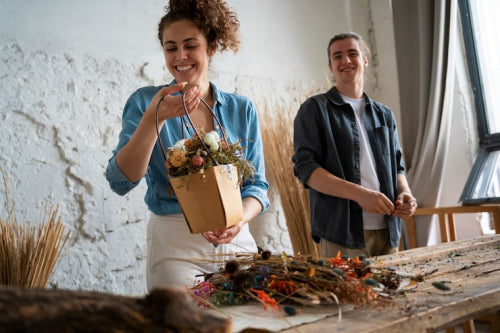
In an era dominated by mass production, where factories churn out uniform goods at an unrelenting pace, a quiet yet powerful movement is gaining momentum. Artisans worldwide are crafting unique, handmade treasures that embody heritage, skill, and a deep respect for the environment. This isn't merely a trend it's a transformative shift toward a more sustainable future. From India's vibrant textile markets to Singapore's modern boutiques, handmade products are redefining conscious consumption. Platforms like IndieHaat are leading this charge, offering authentic, artisan-sourced goods that resonate with eco-conscious consumers in India, the US, Singapore, Australia, the UK, and the UAE. But what makes these creations so compelling in the fight for sustainability? Let's explore.
Fast fashion erodes cultural heritage, sidelining artisans and reducing traditions to trends. At IndieHaat, we champion India's craftspeople with handcrafted sarees, apparel, décor, and skincare rooted in authenticity. Each piece embodies skill and ethical care. Support artisans and preserve India's timeless legacy Shop Now!
A Global Surge in Sustainable Handicrafts
The handicrafts industry is experiencing unprecedented growth, driven by a global demand for authenticity and sustainability. A 2024 report from Grand View Research estimates the global handicrafts market at $739.95 billion, with a projected rise to $983.12 billion by 2030, reflecting a robust 4.9% CAGR. This surge stems from consumer's growing preference for unique, eco-friendly products over mass-produced alternatives. In the Asia Pacific, particularly India, handwoven textiles like khadi and silk dominate, commanding a 34.81% revenue share in 2024. Meanwhile, the US market is poised for rapid growth at a 3.7% CAGR, as eco-conscious shoppers embrace handmade goods as sustainable alternatives.
This trend transcends borders. In the UAE, Dubai's souks buzz with demand for locally crafted, eco-friendly textiles. In the UK, the “slow fashion” movement is driving purchases of handcrafted furniture made from reclaimed wood, reducing environmental strain. Australia sees artisans innovating with upcycled materials, like recycled leather for bespoke accessories. Singapore, too, is fostering sustainability through government-backed initiatives that promote artisans using recycled materials for contemporary designs. These shifts signal a global awakening to the power of mindful purchasing decisions.
Artisans as Champions of Sustainability
At the heart of this movement are artisans whose work bridges tradition and environmental stewardship. In India, handloom weavers key contributors to IndieHaat's offerings craft textiles from natural fibers like linen, silk, and cotton. These biodegradable materials are far less harmful to the planet than synthetic fabrics, which often rely on petroleum-based production. By sourcing directly from rural cooperatives, IndieHaat ensures artisans receive fair wages, preserving cultural heritage while minimizing the environmental toll of fast fashion. Globally, the woodwork segment led the handicrafts market in 2024 with a 26.71% revenue share, highlighting the appeal of handcrafted decor made from sustainable materials like reclaimed timber.
In the US, artisans are redefining sustainability with eco-friendly jewelry and organic skincare, appealing to consumers weary of disposable culture. The UK's growing demand for handcrafted furniture from reclaimed wood helps combat deforestation, while Australian artisans craft stylish goods from upcycled leather, proving sustainability can be chic. In the UAE, where luxury is paramount, sustainable fashion brands are gaining ground by using authentic, locally sourced fabrics. These examples underscore how handmade products marry cultural legacy with environmental responsibility, offering consumers a meaningful alternative to mass production.
Navigating the Challenges of Handmade Markets
Despite their promise, handmade products face significant obstacles. High pricing is a persistent concern, as artisanal goods often cost more than mass-produced alternatives due to the time, skill, and quality materials involved. IndieHaat, with its commitment to authentic fabrics and direct sourcing, grapples with this perception. Another challenge is the trust deficit, particularly in online markets. A recent crackdown in Kashmir, reported by the Times of India, targeted dealers misrepresenting machine-made products as handmade, issuing notices to remove fakes within seven days or face blacklisting. Such actions highlight the need to protect artisan credibility from counterfeit goods that undermine consumer trust.
Online shoppers in markets like the US and Singapore also face the hurdle of not being able to touch and feel products before purchase. IndieHaat addresses this through vivid visuals and detailed descriptions on platforms like Instagram, Facebook, and YouTube, where artisans like anilarubyraj and drminimalhotra showcase their craft. Yet, scaling these efforts remains complex. The handicrafts market's fragmented nature small-scale artisans versus large-scale retailers, which held a 39.04% revenue share in 2024 makes it challenging to compete globally while maintaining sustainability.
Seizing Opportunities in a Conscious Market
These challenges are dwarfed by the opportunities. The global push for sustainability offers businesses like IndieHaat a chance to shine. By emphasizing handmade goods, they tap into a burgeoning market of consumers who prioritize authenticity and environmental impact. In India, the home interiors market is set to double to $24.5 billion by 2030, with a 12% CAGR, driven by rising disposable incomes and demand for personalized spaces, according to a Times of India report. This growth creates a prime opportunity for IndieHaat's handmade textiles and decor, crafted with unique designs and pure fabrics.
The impact extends beyond economics. Supporting artisans bolsters local economies, from rural Indian weavers to UAE designers crafting sustainable luxury. IndieHaat's social media presence on platforms like Instagram, where artisans like varshaoak share their stories builds trust and connection with consumers. As e-commerce and social media amplify the reach of handmade goods, businesses can penetrate emerging markets like Australia and the UAE, where eco-consciousness is surging. By aligning with these trends, IndieHaat positions itself as a leader in the sustainable handicraft revolution.
A Vision for a Handcrafted Tomorrow
Handmade products are more than objects they're a promise of a world where craftsmanship triumphs over waste, where every purchase supports artisans, communities, and the planet. Industry experts view this as a pivotal moment. As sustainability becomes a global priority, handmade goods are set to play a central role. IndieHaat, with its dedication to authentic, artisan-sourced products, stands at the forefront of this transformation. For consumers in India, the US, Singapore, Australia, the UK, and the UAE, choosing handmade isn't just a purchase it's a commitment to a future where quality, heritage, and sustainability converge. The next time a mass-produced item catches your eye, pause. Consider the story behind a handcrafted alternative. Choose authenticity. Choose a sustainable tomorrow.
Frequently Asked Questions
Why are handmade products more sustainable than mass-produced goods?
Handmade products are crafted using natural, biodegradable materials like cotton, silk, and linen, which have a significantly lower environmental impact than petroleum-based synthetic fabrics used in mass production. Artisans often utilize eco-friendly practices such as using reclaimed wood, upcycled materials, and traditional techniques that minimize waste and carbon emissions. By choosing handmade goods, consumers support sustainable production methods that prioritize environmental stewardship over the resource-intensive processes of fast fashion and factory manufacturing.
How big is the global market for sustainable handicrafts and handmade products?
The global handicrafts market is experiencing remarkable growth, valued at $739.95 billion in 2024 and projected to reach $983.12 billion by 2030, reflecting a 4.9% compound annual growth rate. This surge is driven by increasing consumer demand for authentic, eco-friendly alternatives to mass-produced items, particularly in regions like Asia Pacific where handwoven textiles command a 34.81% revenue share. The US market alone is expected to grow at 3.7% CAGR as eco-conscious shoppers increasingly embrace handmade goods as sustainable lifestyle choices.
What are the main challenges facing artisans and handmade product businesses?
Handmade products often face higher pricing compared to mass-produced alternatives due to the time, skill, and quality materials required, which can deter price-sensitive consumers. Additionally, the market struggles with trust issues, particularly online, as counterfeit goods are sometimes misrepresented as authentic handmade items prompting crackdowns like the recent action in Kashmir against dealers selling machine-made products as handcrafted. The fragmented nature of the handicrafts market, with small-scale artisans competing against large retailers, and the inability for online shoppers to physically examine products before purchase also present ongoing challenges for sustainable growth.
Disclaimer: The above helpful resources content contains personal opinions and experiences. The information provided is for general knowledge and does not constitute professional advice.
You may also be interested in: Trusting the Thread: Artisan Sourcing Processes Explained
Fast fashion erodes cultural heritage, sidelining artisans and reducing traditions to trends. At IndieHaat, we champion India's craftspeople with handcrafted sarees, apparel, décor, and skincare rooted in authenticity. Each piece embodies skill and ethical care. Support artisans and preserve India's timeless legacy Shop Now!
Powered by flareAI.co