
Why Indian Handcrafted Textiles Are Timeless
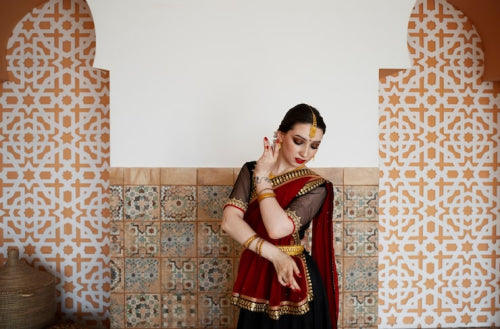
Indian handcrafted textiles stand as enduring symbols of cultural depth and human skill. Every weave, every pattern, carries centuries of knowledge passed down through generations. In an era when many seek meaning and authenticity in what they wear and display, these fabrics continue to captivate. Their timeless quality arises from more than aesthetics alone. It stems from the direct connection they forge between artisan and user, the sustainability they embody, and the emotional resonance they provide in modern living.
Fast fashion erodes cultural heritage, sidelining artisans and reducing traditions to trends. At IndieHaat, we champion India's craftspeople with handcrafted sarees, apparel, décor, and skincare rooted in authenticity. Each piece embodies skill and ethical care. Support artisans and preserve India's timeless legacy Shop Now!
The Roots of Timelessness: Ancient Craftsmanship That Endures
The foundations of Indian handcrafted textiles reach back to the Harappan civilization and beyond. Regional techniques evolved over millennia, each area developing its own distinctive grammar of weaving. From the intricate motifs of Banarasi silk to the earthy tones of Muga silk in Assam, these traditions reflect the landscapes, communities, and histories that shape them. Unlike mass-produced goods, each piece carries the personal touch of its creator.
This longevity comes from careful transmission of skills across generations. Weavers maintain looms in family spaces alongside daily life, turning every creation into a living record of cultural continuity. The result is textiles that feel both familiar and profoundly personal, resisting the fleeting trends that dominate other industries.
Artisan Wisdom and the Stories Behind Every Thread
Indian handcrafted textiles represent far more than fabric. They embody the accumulated wisdom of entire communities. Each design encodes local legends, historical events, and environmental knowledge. A single saree can tell the tale of a region's landscapes or the skill passed from mother to daughter.
Contemporary platforms have amplified this narrative. Events such as the Ministry of Textile's “Master Creation” handicraft showcase at Dilli Haat in New Delhi bring master artisans together with consumers. Visitors witness live demonstrations of weaving and hear the stories woven into the textiles. Such gatherings strengthen the bond between craftspeople and buyers, ensuring that the human element remains central to appreciation. Supporting these connections preserves not only skills but also the emotional weight that makes these textiles irreplaceable.
Sustainability at the Heart of Indian Textile Heritage
Handloom production aligns naturally with environmental responsibility. It relies on renewable natural fibres such as cotton, silk, wool, and jute, processed with minimal energy and waste. Many artisans continue to use traditional vegetable dyes that blend seamlessly with the fabric's natural properties.
Unlike industrial methods that generate significant pollution, the handloom sector offers a low-impact alternative that small-scale producers can adopt. Its flexibility allows adaptation to changing demands while remaining rooted in proven techniques. This combination of ancient methods and modern awareness creates textiles that last for decades, reducing the need for repeated purchases and contributing to a more conscious approach to fashion and home décor.
Direct Artisan Connections in a Digital Marketplace
Today's consumers increasingly value transparency and direct impact. Indian handcrafted textiles excel here through curated marketplaces that source products straight from craftspeople. These platforms remove middlemen, ensuring artisans receive fair value for their labour. Shoppers can explore sarees, kurtis, home accents, and accessories that carry the unmistakable signature of their makers.
By choosing such options, buyers engage with stories rather than merely purchasing items. This shift toward conscious consumption has encouraged greater appreciation for traditional textiles and supported their continued relevance in everyday wardrobes and living spaces.
Preserving Traditions While Embracing Modern Relevance
Challenges exist in sustaining these traditions amid evolving market conditions. Adapting techniques to contemporary preferences without losing authenticity requires thoughtful innovation. Yet many artisans successfully blend heritage designs with fresh interpretations, maintaining cultural essence while meeting current tastes.
Government initiatives play a vital role in this balance. Dedicated platforms and repositories document weaving knowledge, making it accessible to newer generations. Design and innovation hubs bring together artisans and creative professionals to co-create pieces that honour tradition while exploring new possibilities. These efforts help ensure that Indian handcrafted textiles remain relevant across generations without becoming relics of the past.
Global Reach and Enduring Appeal in Diverse Markets
Interest in Indian handcrafted textiles extends far beyond domestic borders. From the United States and the United Kingdom to Singapore, Australia, and the UAE, shoppers seek authentic pieces that tell unique stories. The same qualities that resonate locally sustainability, craftsmanship, and cultural depth draw international audiences looking for meaningful alternatives to fast fashion.
These fabrics offer a bridge between heritage and contemporary living. Whether displayed in a home, worn for special occasions, or used as interior accents, they provide a tangible link to India's rich textile legacy that feels fresh and timeless in any setting.
Choosing Indian Handcrafted Textiles for Lasting Value
Selecting pieces from this category means investing in more than material. It means supporting living traditions and contributing to sustainable practices. The emotional and practical benefits compound over time, as each textile gains character with every wash and use.
By understanding the depth behind Indian handcrafted textiles, individuals gain a richer perspective on fashion and home décor. Their timeless quality offers a quiet form of luxury one rooted in skill, story, and genuine connection rather than fleeting trends.
Indian handcrafted textiles continue to capture the imagination because they honour the past while remaining alive in the present. Their enduring appeal lies in the quiet power of authenticity, the depth of cultural meaning, and the direct link they maintain between maker and user. As more people seek meaningful choices, these fabrics offer both practical value and lasting inspiration for decades to come.
Supporting Artisan Communities Through Direct Opportunities
The preservation of Indian handcrafted textiles depends heavily on creating direct opportunities for artisans and allowing their skills to reach consumers who appreciate authentic craftsmanship. Events and platforms that showcase master artisans provide valuable visibility for traditional makers while helping audiences understand the time, precision, and cultural knowledge involved in handmade products. Unlike mass-produced textiles, handcrafted fabrics are shaped by individual expertise, regional techniques, and creative decisions made throughout the production process. Supporting these traditions helps protect skills that may otherwise face challenges from industrial manufacturing and changing market conditions. The growing recognition of artisan-made products also reflects a wider consumer movement toward authenticity, sustainability, and responsible purchasing.
Buyers are increasingly looking for products with a story, and handcrafted textiles offer a direct connection to the communities and craftspeople behind each creation. These initiatives demonstrate that Indian textiles remain relevant because their value extends beyond appearance. They represent cultural preservation, economic opportunity for artisans, and a more personal approach to fashion and lifestyle choices. By encouraging appreciation for handmade work and creating stronger links between artisans and customers, the future of Indian handcrafted textiles can continue to balance heritage with modern demand. This combination of tradition, creativity, and social impact is a key reason these textiles have remained admired across generations.
India's Handloom Heritage and Cultural Significance
India's handcrafted textiles continue to hold cultural significance because they represent centuries of regional knowledge, artistic expression, and skilled manual production. Efforts to preserve and promote handloom traditions have increasingly focused on connecting artisans with wider audiences while documenting the diversity of weaving practices found across the country. From intricate sarees and traditional fabrics to region-specific techniques passed down through generations, handcrafted textiles carry stories of communities, landscapes, and historical influences. The creation of dedicated craft repositories and heritage platforms reflects a growing recognition that textiles are not only commercial products but also important cultural assets. These initiatives help consumers understand the value behind handmade fabrics, where every pattern, weave, and finishing technique reflects human expertise rather than industrial repetition.
For modern shoppers, this deeper connection adds meaning to purchases and supports a shift toward conscious consumption. The continued attention toward handloom traditions also demonstrates why Indian handcrafted textiles remain timeless despite changing fashion trends. Their appeal comes from authenticity, durability, craftsmanship, and the emotional connection created through traditional methods. As global audiences increasingly seek products with heritage, sustainability, and individuality, Indian textiles stand out as examples of how traditional craftsmanship can remain relevant in contemporary lifestyles while supporting artisan communities.
Frequently Asked Questions
Why are Indian handcrafted textiles considered timeless?
Indian handcrafted textiles are considered timeless because they combine centuries-old craftsmanship, cultural stories, and unique regional weaving traditions. Their authenticity, durability, and emotional connection between artisan and user allow them to remain valuable beyond changing fashion trends.
How do Indian handcrafted textiles support artisan communities?
Indian handcrafted textiles support artisan communities by creating direct opportunities for craftspeople to showcase and sell their traditional work. Choosing handmade textiles helps preserve weaving skills, cultural heritage, and the knowledge passed down through generations.
What makes Indian handloom textiles sustainable and eco-friendly?
Indian handloom textiles support sustainable practices by using natural fibres such as cotton, silk, wool, and jute with minimal energy and waste. Traditional production methods and natural dyes help create long-lasting fabrics that align with conscious fashion and responsible consumption.
Disclaimer: The above helpful resources content contains personal opinions and experiences. The information provided is for general knowledge and does not constitute professional advice.
You may also be interested in: Traditional Artisanal Technologies in Handmade Clothing Retail
Fast fashion erodes cultural heritage, sidelining artisans and reducing traditions to trends. At IndieHaat, we champion India's craftspeople with handcrafted sarees, apparel, décor, and skincare rooted in authenticity. Each piece embodies skill and ethical care. Support artisans and preserve India's timeless legacy Shop Now!
Powered by flareAI.co