
Why Indian Block-Printed Fabrics Are a Must-Have for Ethical Fashionistas
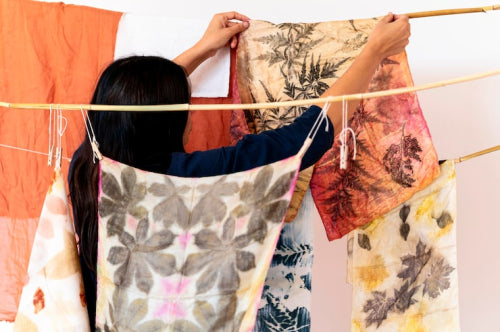
Fast fashion's relentless cycle of disposable trends is losing its grip as a new ethos emerges one rooted in heritage, sustainability, and artistry. Indian block-printed fabrics, crafted by artisans who carve intricate designs into wooden blocks and stamp them onto pure linen, silk, and cotton, are at the forefront of this shift. These textiles are more than fashion; they're a testament to India's cultural legacy and a rallying cry for ethical consumption. Leading this charge is IndieHaat, a Bangalore-based e-commerce platform that curates handcrafted apparel, accessories, and home décor, delivering India's artisanal traditions to global markets from Mumbai to New York, Singapore to Dubai.
Fast fashion erodes cultural heritage, sidelining artisans and reducing traditions to trends. At IndieHaat, we champion India's craftspeople with handcrafted sarees, apparel, décor, and skincare rooted in authenticity. Each piece embodies skill and ethical care. Support artisans and preserve India's timeless legacy Shop Now!
A Craft Steeped in History
Block printing is an ancient art form, a meticulous process where artisans in Rajasthan, Gujarat, and Madhya Pradesh transform raw fabric into storytelling canvases. Each wooden block, hand-carved with floral or geometric patterns, is dipped in natural dyes and pressed with precision, creating designs like Bagru's earthy motifs or Ajrakh's bold symmetry. IndieHaat partners directly with these artisans, ensuring every sari or cushion cover embodies authenticity and ethical craftsmanship. This isn't mass production it's a labor of love, preserving centuries-old techniques in a modern world.
The global appetite for such handcrafted goods is surging. The global handloom market, valued at USD 8.32 billion in 2024, is set to grow to USD 16.62 billion by 2032, with a compound annual growth rate of 9.24%. Asia Pacific, driven by India, commanded a 55.77% share in 2024, fueled by demand for sustainable and culturally resonant products. In India, the handloom sector reached USD 358.2 million in 2024 and is projected to hit USD 779.71 million by 2033, growing at a CAGR of 9.03%, with sarees leading and dress materials gaining rapidly, according to Deep Market Insights.
The Ethical Fashion Revolution
Today's shoppers are redefining fashion, prioritizing values over volume. Block-printed fabrics resonate deeply with ethical fashionistas, offering handmade quality, eco-friendly production, and cultural significance. Unlike synthetic textiles born in polluting factories, these fabrics often use natural dyes, minimizing environmental harm. IndieHaat's focus on pure linen, silk, and cotton delivers luxury with a conscience, available on platforms like Amazon Marketplace and ONDC Marketplace. From kurtas to table runners, their curated collections blend tradition with contemporary flair, appealing to discerning buyers worldwide.
From London's chic boutiques to Melbourne's eco-conscious shops, block prints are redefining style. Designers like Anita Dongre and international labels at events like London Fashion Week weave these fabrics into modern designs, proving their versatility. Social media, particularly Instagram and YouTube, amplifies this trend, with influencers showcasing the tactile allure of block-printed garments. IndieHaat's active presence on Instagram and Facebook highlights artisan stories and unique designs, setting it apart from competitors like those on profiles such as @anilarubyraj or @varshaoak, while fostering a global community of conscious consumers.
Empowering Artisans, Transforming Lives
Every block-printed textile supports a web of artisans whose skills sustain their livelihoods. India's handloom industry, the nation's second-largest employer after agriculture, provides jobs to over 3.5 million weavers and artisans, with women forming the majority, per SaveHandloom.org. IndieHaat's direct-to-artisan model ensures fair wages and sustainable practices, empowering rural communities and preserving cultural heritage. A single block-printed sari might involve a carver from Jaipur, a dyer from Bagru, and a weaver from Kutch, each contributing to a piece as unique as a signature.
This authenticity resonates with buyers who value individuality over mass-produced uniformity. The Indian government's Swadeshi Campaign, launched to boost domestic textile demand, targets urban youth and Gen Z, positioning handlooms as symbols of pride. With India's textile market projected to reach USD 250 billion by 2030, IndieHaat is well-placed to connect artisans to global buyers, from Singapore's eco-savvy shoppers to UAE's luxury markets, fostering economic and cultural impact.
Overcoming Barriers to Adoption
Scaling artisanal production poses challenges. Handmade goods, requiring time and expertise, often carry higher price tags, a concern for budget-conscious consumers in markets like the UK or Australia. IndieHaat addresses this by emphasizing durability and timeless design a block-printed dress may cost more, but it outlasts fast fashion in both quality and style. The brand also tackles the trust deficit faced by online shoppers, particularly in Singapore and the UAE, where tactile experiences are valued. Through rigorous quality checks and transparent storytelling on YouTube and Instagram, IndieHaat showcases artisans at work, building confidence in its products.
Cultural appropriation is another hurdle. When global brands adopt traditional techniques without crediting their origins, it risks exploitation. IndieHaat's commitment to fair trade and direct artisan partnerships sets a gold standard, ensuring respect for India's cultural heritage. By addressing these objections high pricing, trust issues, and cultural sensitivity IndieHaat builds a compelling case for block-printed fabrics as a sustainable alternative to fast fashion.
Seizing a Sustainable Opportunity
The rise of block-printed fabrics signals a broader shift toward eco-friendly manufacturing. Unlike chemical-intensive textile production, block printing's use of natural dyes and manual processes reduces environmental impact. IndieHaat's focus on authentic, sustainable fabrics aligns with this trend, appealing to consumers eager to lower their carbon footprint. Available on Amazon and ONDC Marketplaces, their products are accessible to shoppers in the US and India, while their social media channels foster a global community of ethical fashion enthusiasts.
The global market offers vast potential. With handloom exports growing at a 7% CAGR over the past five years, per SaveHandloom.org, demand in regions like the UK and Australia is robust. IndieHaat's curated, artisan-focused approach positions it to capture this market, offering products that rival the aesthetic appeal of competitors while emphasizing ethical sourcing. By blending tradition with innovation, IndieHaat is not just selling fabrics it's shaping the future of fashion.
A Legacy Woven in Every Thread
Indian block-printed fabrics are more than a passing trend; they're a powerful movement uniting sustainability, craftsmanship, and cultural pride. IndieHaat leads this charge, transforming how the world views fashion by championing artisans and ethical practices. As the global handloom market races toward USD 16.62 billion by 2032 and India's market nears USD 780 million by 2033, the future is clear: ethical fashion is here to stay. Choose a block-printed sari or scarf from IndieHaat, and you're not just dressing in style you're wearing a piece of India's heritage, uplifting artisans, and treading lightly on the earth, all with effortless elegance.
Frequently Asked Questions
What makes Indian block-printed fabrics ethical and sustainable?
Indian block-printed fabrics are crafted using centuries-old hand-carving techniques with natural dyes, minimizing environmental harm compared to chemical-intensive synthetic textiles. The artisanal production process directly supports over 3.5 million weavers and artisans in India, ensuring fair wages and preserving cultural heritage. Each piece is made from pure linen, silk, or cotton, offering luxury with a conscience while reducing your carbon footprint.
Why are block-printed fabrics more expensive than fast fashion alternatives?
Block-printed fabrics require meticulous handcrafted work—from hand-carving wooden blocks to precision stamping with natural dyes—making them more time and expertise-intensive than mass production. However, these pieces offer superior durability and timeless design that outlasts fast fashion in both quality and style. The higher price reflects fair wages for artisans, eco-friendly materials, and authentic craftsmanship that preserves India's cultural legacy.
How can I tell if block-printed fabrics are authentic and not cultural appropriation?
Authentic block-printed fabrics come from platforms like IndieHaat that partner directly with artisans in Rajasthan, Gujarat, and Madhya Pradesh, ensuring fair trade practices and proper credit to traditional techniques. Look for brands that showcase artisan stories, use transparent sourcing, and emphasize handmade quality with natural materials like pure cotton, silk, or linen. Genuine pieces feature distinctive patterns like Bagru's earthy motifs or Ajrakh's bold symmetry, each reflecting the unique signature of skilled craftspeople.
Disclaimer: The above helpful resources content contains personal opinions and experiences. The information provided is for general knowledge and does not constitute professional advice.
You may also be interested in: Top 10 Navratri Outfit Ideas for 2024: Traditional & Modern Styles
Fast fashion erodes cultural heritage, sidelining artisans and reducing traditions to trends. At IndieHaat, we champion India's craftspeople with handcrafted sarees, apparel, décor, and skincare rooted in authenticity. Each piece embodies skill and ethical care. Support artisans and preserve India's timeless legacy Shop Now!
Powered by flareAI.co