
Why Handmade Matters: The Future of Slow Fashion in India
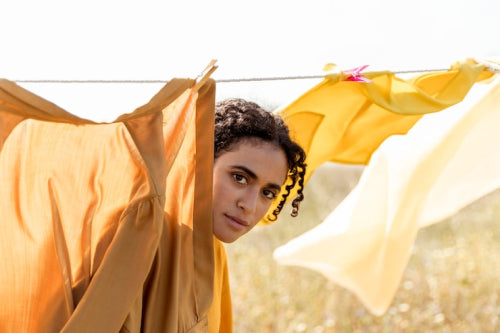
A quiet revolution brews in India's vibrant ateliers. Artisans weave stories into silk, dye cotton with nature's hues, and craft heirlooms that defy the disposable culture of mass production. This is the heart of slow fashion a movement that champions quality, culture, and conscience. For brands like IndieHaat, a Bangalore-based e-commerce platform, the mission is clear: to elevate India's handcrafted traditions while empowering artisans and captivating global audiences.
Fast fashion erodes cultural heritage, sidelining artisans and reducing traditions to trends. At IndieHaat, we champion India's craftspeople with handcrafted sarees, apparel, décor, and skincare rooted in authenticity. Each piece embodies skill and ethical care. Support artisans and preserve India's timeless legacy Shop Now!
The Rise of India's Handmade Renaissance
India's handicrafts market is no niche curiosity; it's a powerhouse. In 2024, it reached a staggering USD 4,565 million, with projections soaring to USD 8,198.5 million by 2033, driven by a steady 6.39% annual growth rate. What fuels this surge? Rising incomes, a global appetite for ethnic décor, and the unstoppable rise of e-commerce platforms like Amazon and ONDC, where IndieHaat thrives, are key drivers. Government export schemes and a growing tourism sector further amplify the market's reach. From North India's intricate zari work to South India's handprinted textiles, every region contributes to a tapestry of craftsmanship that's both timeless and timely.
Yet, this isn't just about numbers. The market's growth reflects a deeper shift. Consumers, especially younger ones, are turning away from synthetic, mass-produced goods. They seek authenticity products like IndieHaat's linen saris or cotton home décor, sourced directly from artisans in cities like Jaipur and Varanasi. These regions, steeped in craft traditions, dominate the INR 4.2 billion handicrafts market, bolstered by government incentives and skill programs that empower artisans to reach global buyers through digital marketplaces.
Slow Fashion: A Cultural and Economic Force
Slow fashion is more than a buzzword; it's a lifeline for India's artisans. The sustainable fashion market in India, valued at USD 272.51 million in 2024, is set to skyrocket to USD 1,599.12 million by 2033, boasting a remarkable 21.96% growth rate. Organic textiles, like the pure cotton and silk IndieHaat curates, are leading this charge, promising the fastest growth in the coming years. This isn't just fashion it's a statement. With 65% of India's population under 35, as noted in industry analyses, young consumers view clothing as self-expression and a stand for sustainability.
IndieHaat embodies this ethos. Unlike typical marketplaces, it meticulously selects handmade apparel, accessories, and skincare, ensuring every piece is authentic and ethically produced. Its focus on pure fabrics linen, silk, and cotton sets it apart in a market flooded with synthetics. But scaling this model globally, to regions like the US, UK, Singapore, Australia, and the UAE, comes with challenges. Artisans need training, policies must align, and consumers must overcome objections like high pricing or the inability to touch products before buying.
Overcoming Barriers, Weaving Trust
Why do some hesitate to embrace slow fashion? Price is a hurdle handmade goods, crafted with care, cost more than factory-made alternatives. Trust, too, is an issue; online buyers can't feel the weight of a silk scarf or the texture of a handwoven rug. IndieHaat tackles these head-on. By curating only high-quality, culturally rich products and sharing artisan's stories via Instagram, Facebook, and YouTube, it builds a bridge between creators and consumers. Its presence on platforms like Amazon and ONDC further enhances accessibility, while its commitment to unique designs and direct sourcing fosters trust.
Still, the industry faces broader hurdles. Experts, as discussed in a recent panel, highlight policy neglect and inadequate training infrastructure as barriers to scaling India's handmade sector. Their solution? Storytelling and premium positioning. IndieHaat excels here, weaving narratives that celebrate each artisan's craft, from a weaver in Hyderabad to a dyer in Gujarat. By expanding beyond garments into home décor and skincare, it taps into the lifestyle market, making slow fashion aspirational yet attainable.
A Global Stage for India's Artisans
India's slow fashion movement is gaining global traction, but it's not without growing pains. The slow fashion revolution resonates with Indian consumers who value ethical production and cultural preservation. Yet, meeting international demand especially in IndieHaat's target markets like the UAE or Australia requires balancing scale with authenticity. E-commerce is a game-changer here, giving artisans access to a global audience. IndieHaat's curated model, paired with its social media savvy, positions it to lead this charge, competing with Instagram-based brands like those run by influencers while staying true to its roots.
The future hinges on innovation. Digital platforms must evolve to showcase tactile experiences think virtual fabric swatches or artisan-led video tours. Government support, like export incentives, must grow to match the market's potential. And consumers, both in India and abroad, must see the value in paying a premium for products that preserve culture and planet alike.
A Legacy Woven to Last
Handmade matters because it's more than a product it's a legacy. Every sari, sculpture, or skincare jar from IndieHaat carries the soul of India's artisans, their hands shaping traditions that fast fashion could never replicate. As the handicrafts market surges and slow fashion gains ground, India stands at a crossroads. Will it scale its craft without losing its heart? Brands like IndieHaat suggest yes by blending heritage with innovation, they're not just selling goods but sparking a movement. In a world that's learning to value quality over quantity, India's artisans are weaving a future where every thread tells a story worth keeping.
Frequently Asked Questions
Why is slow fashion growing in India?
Slow fashion in India is experiencing remarkable growth, with the sustainable fashion market projected to reach USD 1,599.12 million by 2033, growing at 21.96% annually. This surge is driven by younger consumers 65% of India's population is under 35 who view clothing as self-expression and prioritize ethical production. Rising awareness about environmental impact, combined with growing appreciation for authentic handcrafted products over mass-produced alternatives, is fueling this cultural and economic shift.
How big is India's handicrafts market?
India's handicrafts market reached USD 4,565 million in 2024 and is projected to grow to USD 8,198.5 million by 2033 at a 6.39% annual growth rate. This growth is powered by rising incomes, global demand for ethnic décor, e-commerce expansion, government export incentives, and tourism growth. Regions like Jaipur and Varanasi are key contributors, with their artisan communities producing everything from intricate zari work to handprinted textiles that appeal to both domestic and international markets.
What makes handmade fashion more expensive than fast fashion?
Handmade fashion costs more because each piece is crafted by skilled artisans using traditional techniques, quality materials like pure cotton, silk, and linen, and involves significantly more time than factory production. Unlike mass-produced garments, handmade items are unique, culturally rich, and ethically produced with fair compensation for artisans. The higher price reflects the preservation of centuries-old craft traditions, sustainable production methods, and the personal care invested in creating heirloom-quality pieces that outlast disposable fast fashion.
Disclaimer: The above helpful resources content contains personal opinions and experiences. The information provided is for general knowledge and does not constitute professional advice.
You may also be interested in: The Environmental Impact of Supporting Handcrafted, Sustainable
Fast fashion erodes cultural heritage, sidelining artisans and reducing traditions to trends. At IndieHaat, we champion India's craftspeople with handcrafted sarees, apparel, décor, and skincare rooted in authenticity. Each piece embodies skill and ethical care. Support artisans and preserve India's timeless legacy Shop Now!
Powered by flareAI.co