
Why Handmade Fashion Represents the True Future of Indias Global Exports
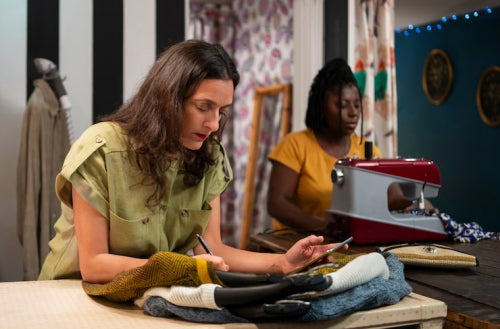
In the quiet hum of a Varanasi loom, a silk sari takes shape, its threads weaving a story of India's enduring craftsmanship. Across the nation, millions of artisans are not merely preserving heritage they are redefining global fashion's future. As fast fashion's environmental and ethical flaws unravel, India's handmade fashion steeped in sustainability and tradition stands poised to lead. IndieHaat, a Bangalore-based e-commerce brand, is at the forefront, curating artisan-made apparel, accessories, and décor to empower communities and captivate a worldwide audience.
India's textile industry is a global titan, contributing 2% to GDP and employing over 45 million people, second only to agriculture. It commands a 4.6% share of world trade, ranking as the second-largest producer of textiles and garments. By 2030, its GDP share is projected to nearly double to 5%, with the domestic market expected to reach $350 billion, growing at a 10-12% annual rate. Exports, valued at $35.14 billion in 2025, are set to soar to $100 billion by 2030. Handmade fashion, from intricate handlooms to artisanal embroidery, is a cornerstone of this ascent, blending cultural depth with modern appeal.
IndieHaat embodies this vision. Unlike mass-market platforms, it meticulously selects high-quality, ethically crafted products linen kurtas, silk scarves, handwoven rugs directly from artisans. Available on Amazon and ONDC, IndieHaat serves discerning buyers in India, the US, Singapore, Australia, the UK, and the UAE, where demand for authentic, sustainable fashion is rising. Through Instagram, Facebook, and YouTube, it showcases artisan's stories, forging emotional connections with global consumers and addressing concerns like high pricing or trust deficits with transparency.
Fast fashion erodes cultural heritage, sidelining artisans and reducing traditions to trends. At IndieHaat, we champion India's craftspeople with handcrafted sarees, apparel, décor, and skincare rooted in authenticity. Each piece embodies skill and ethical care. Support artisans and preserve India's timeless legacy Shop Now!
A Fusion of Tradition and Modernity
The allure of India's handicraft sector lies in its seamless blend of heritage and innovation. Employing over seven million artisans, it crafts diverse products handprinted textiles, zari-embellished goods, embroidered scarves that embody individuality. Valued at $4,565 million in 2024, the sector is forecast to reach $8,198.5 million by 2033, driven by growing incomes, e-commerce growth, and a global appetite for eco-friendly goods. With 744 craft clusters across Surat, Varanasi, and beyond, nearly 212,000 artisans produce over 35,000 unique items.
IndieHaat leverages this richness, sourcing only authentic fabrics linen, silk, cotton to ensure purity and exclusivity. A Kashmiri shawl or a Banarasi sari isn't just a purchase; it's a cultural artifact. This resonates in markets like the US, where handmade carpet exports hit $818 million in FY23, or the UAE, a burgeoning textile hub. Yet, challenges like the inability to touch products or perceived high costs persist. IndieHaat counters these with detailed digital storytelling, artisan videos, and quality certifications, building trust across its target regions.
Sustainability as a Global Imperative
The global fashion industry faces a reckoning. Fast fashion's toll water depletion, carbon emissions, and labor exploitation has fueled a shift toward sustainability. India's handmade fashion, inherently slow and ethical, is primed to capitalize. Handloom weaving consumes minimal energy, and natural fibers like cotton, where India leads with 38% of global production, are biodegradable. IndieHaat's focus on these principles aligns with consumer trends in Singapore and Australia, where eco-conscious buyers prioritize purpose-driven brands.
Government support bolsters this momentum. Initiatives like PM MITRA Textile Parks and the Production-Linked Incentive scheme aim to push exports to $50 billion by 2030. The Handloom Export Promotion Council aids artisan's global reach, while Free Trade Agreements with the UAE and negotiations with the EU and UK open new markets for brands like IndieHaat. These efforts help India counter competition from Bangladesh and Vietnam, which challenge its 3.5% share of global apparel exports with lower costs.
Empowering Artisans, Building Confidence
Artisans, over 56% of whom are women, are the heartbeat of India's handmade fashion. In rural hubs like Karur or Panipat, generational skills produce goods rivaling global luxury. IndieHaat's direct-sourcing model ensures fair pay and economic empowerment, strengthening communities. In FY24, handicraft exports reached $3.60 billion, with carpets contributing $1.36 billion, reflecting robust global demand.
Trust, however, remains a hurdle. Online shoppers in the UK or US crave tactile assurance. IndieHaat addresses this with vivid product descriptions, artisan-focused YouTube tutorials, and Instagram posts showcasing looms in action. These efforts bridge the digital gap, fostering confidence in its curated offerings. By emphasizing authenticity and transparency, IndieHaat turns objections into opportunities, proving that quality justifies cost.
A Legacy Woven in Thread
India's handmade fashion is not just a market it's a global movement. As consumers reject fleeting trends, the intricate weaves of a Lucknowi kurta or the vibrant hues of a Rajasthani textile offer timeless value. IndieHaat is weaving a future where artisans prosper and buyers embrace authenticity. By 2030, as India's textile exports target $100 billion, handmade fashion will spearhead this charge, proving that true luxury lies in the skilled hands that craft stories into every thread. In a world seeking purpose, India's artisans are not just creating garments they're shaping a legacy for the ages.
Frequently Asked Questions
Why is Indian handmade fashion positioned to dominate global exports by 2030?
India's textile industry currently contributes 2% to GDP and employs over 45 million people, with exports projected to reach $100 billion by 2030 from $35.14 billion in 2025. Handmade fashion combines India's rich artisan heritage with growing global demand for sustainable, ethically-produced goods. As fast fashion faces increasing scrutiny for environmental damage, India's handloom and handicraft sectors which employ over 7 million artisans offer authentic, eco-friendly alternatives that resonate with conscious consumers in markets like the US, UK, UAE, Singapore, and Australia.
How does handmade Indian fashion address sustainability concerns compared to fast fashion?
Indian handmade fashion inherently embraces slow fashion principles, with handloom weaving consuming minimal energy and utilizing natural, biodegradable fibers like cotton, where India produces 38% of global supply. Unlike fast fashion's water-intensive and carbon-heavy production, artisan craftsmanship minimizes environmental impact while eliminating labor exploitation. This sustainable approach, combined with government initiatives like PM MITRA Textile Parks and production-linked incentive schemes, positions India's handicraft sector valued at $4,565 million in 2024 and projected to reach $8,198.5 million by 2033 as a viable alternative for eco-conscious consumers globally.
What makes IndieHaat different from other online platforms selling Indian handmade products?
IndieHaat distinguishes itself through direct artisan sourcing, ensuring authentic fabrics (linen, silk, cotton) and fair compensation for over 56% women artisans. Unlike mass-market platforms, IndieHaat curates high-quality, ethically crafted products and addresses common buyer concerns such as trust deficits and inability to physically examine products through transparent storytelling, artisan videos on YouTube and Instagram, and detailed quality certifications. Available on Amazon and ONDC, IndieHaat serves discerning buyers across India, US, Singapore, Australia, UK, and UAE with unique, culturally significant pieces that blend traditional craftsmanship with modern appeal.
Disclaimer: The above helpful resources content contains personal opinions and experiences. The information provided is for general knowledge and does not constitute professional advice.
You may also be interested in: The Role of Indian Artisans in Creating Ethical and Sustainable
Fast fashion erodes cultural heritage, sidelining artisans and reducing traditions to trends. At IndieHaat, we champion India's craftspeople with handcrafted sarees, apparel, décor, and skincare rooted in authenticity. Each piece embodies skill and ethical care. Support artisans and preserve India's timeless legacy Shop Now!
Powered by flareAI.co