
The Role of Design Curation in Reducing Buyer Uncertainty
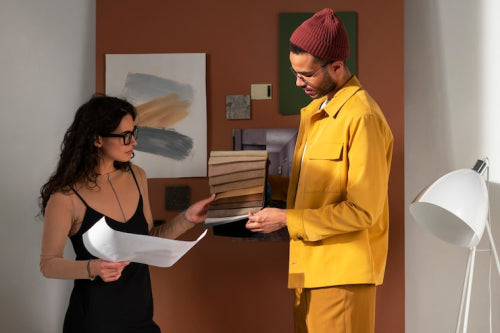
In the fast-paced realm of online fashion retail, where decisions hinge on pixels rather than personal touch, consumer hesitation remains a formidable barrier. Shoppers grapple with doubts about authenticity, quality, and value, particularly in niches like ethnic wear and artisanal textiles. However, strategic design curation emerges as a pivotal solution, fostering buyer confidence by meticulously selecting and presenting products that resonate with cultural depth and craftsmanship. This approach proves especially vital in diverse markets spanning India, the United States, Singapore, Australia, the United Kingdom, and the United Arab Emirates, where evolving preferences demand more than mere transactions they seek meaningful connections.
Fast fashion erodes cultural heritage, sidelining artisans and reducing traditions to trends. At IndieHaat, we champion India's craftspeople with handcrafted sarees, apparel, décor, and skincare rooted in authenticity. Each piece embodies skill and ethical care. Support artisans and preserve India's timeless legacy Shop Now!
The Escalating Issue of Buyer Uncertainty in Digital Fashion Markets
The surge in e-commerce has revolutionized apparel shopping, offering unparalleled access to global styles. In India alone, the women's apparel sector achieved a valuation of USD 93.20 billion in 2024, with forecasts from IMARC Group indicating growth to USD 121.60 billion by 2033, propelled by a compound annual growth rate of 2.70% from 2025 onward. Key catalysts include escalating disposable incomes, shifting fashion dynamics, and the widespread embrace of online platforms such as Myntra, Amazon, and Flipkart, which enhance accessibility through omni-channel strategies.
Parallel to this, the global ethnic wear market exhibits robust expansion. One analysis pegs its 2024 value at USD 84.10 billion, anticipating an increase to USD 89.74 billion in 2025 and USD 122.88 billion by 2030, reflecting a 6.52% CAGR. Another perspective values it at USD 108,068.56 million in 2024, projecting USD 115,601 million in 2025 and soaring to USD 198,178.9 million by 2033 at a 6.97% CAGR. A third estimate starts at USD 80.2 billion in 2024, climbing to USD 86.7 billion in 2025 and USD 159.45 billion by 2033 with an 8.1% CAGR. These figures underscore a vibrant sector rooted in cultural heritage, encompassing garments like sarees, salwar suits, lehengas, kurtas, and dhotis, driven by urbanization, rising incomes, and influences from Bollywood and regional cinema.
Yet, this growth is tempered by persistent challenges. Buyers often balk at premium pricing for handmade items, question trustworthiness without physical inspection, and miss the sensory experience of feeling fabrics. These hurdles are amplified in online settings, where curation becomes essential to alleviate doubts and guide informed choices.
Leveraging Design Curation to Enhance Authenticity and Trust
Design curation transcends simple product aggregation; it involves intentional selection that highlights provenance, quality, and narrative. For platforms specializing in artisan-sourced pieces made exclusively from linen, silk, and cotton, this means emphasizing purity and uniqueness to build credibility.
This strategy aligns with regional consumer behaviors. In India, there's a pronounced appetite for genuine craftsmanship and ethical practices, fueled by cultural festivals and weddings that see a 60% spike in sales. The U.S. market thrives on cultural diversity, with immigrant communities and mainstream retailers boosting demand for traditional attire, supported by a 50% rise in sustainable fabric preferences. Singaporean consumers lean toward premium, personalized options, while Australians value durable natural materials adapted to their climate. In the UK and UAE, expatriates and locals alike seek artisanal exclusivity, particularly during celebratory seasons, where fusion styles favored by 50% of Gen Z shoppers blend tradition with modernity.
Integrating Sustainability and Innovation
Modern curation also taps into trends like a 40% increase in demand for artisan wear and 60% traction for eco-friendly fabrics. Technologies such as AI tailoring (preferred by 45%) and AR try-ons (adopted by 20%) further reduce uncertainty by simulating real-world experiences, enhancing online ethnic wear sales which now constitute 35% of the market.
Practical Demonstrations of Curation on Digital Platforms
Social media channels serve as dynamic arenas for curation, transforming static listings into immersive stories. Platforms like Instagram, Facebook, and YouTube enable detailed showcases, from artisan interviews to fabric close-ups, replicating the tactile allure of physical browsing.
Profiles such as @anilarubyraj and @ani_lakshmi exemplify this mastery. They curate collections featuring mulmul cotton sarees with delicate block prints or silk ensembles adorned with elaborate embroidery, weaving narratives of heritage and elegance. Similarly, @svishala74, @drminimalhotra, and @varshaoak employ focused selections with sourcing insights and evocative visuals, making abstract qualities tangible and diminishing buyer reservations.
- Festival-Driven Curation: Highlighting seasonal pieces that capitalize on 30% bridal market growth.
- Online Accessibility: With 70% of ethnic wear available digitally, curation ensures standout visibility.
- Community Engagement: User-generated content reinforces trust through shared experiences.
Confronting Key Challenges in Curation Strategies
Despite its strengths, curation faces inherent limitations. Elevated costs for artisan labor and rare materials often deter budget-conscious shoppers. The absence of hands-on interaction exacerbates trust issues, as consumers cannot assess texture or drape firsthand. Cultural variances add layers; for instance, in tactile-oriented markets like India, skepticism runs high without sensory validation.
To counter these, effective curation prioritizes transparency. Detailed descriptions of artisan backgrounds, fabric certifications, and ethical sourcing practices address doubts head-on. Enhanced visuals high-definition photos, 360-degree views, and customer testimonials simulate immersion, particularly beneficial in regions like the UAE and UK where cultural authenticity is paramount.
Navigating Pricing Perceptions
By framing premiums as investments in quality and heritage, curation shifts focus from cost to value, mitigating objections in high-growth segments like bridal wear.
Unlocking Opportunities Through Effective Curation
Strategic curation yields tangible benefits, including reduced return rates via precise expectation-setting and heightened loyalty through exclusive offerings. It aligns with surging demands for sustainability and innovation, as evidenced by a 50% uptick in eco-fabric interest and Gen Z's preference for hybrid designs.
For enterprises, this translates to broader market penetration. In India, where the ethnic sector exceeds ₹1.5 lakh crore and is seasonally buoyed by events, curation amplifies visibility. Globally, e-commerce integration extends reach to diaspora audiences, fostering long-term retention and sales growth amid a landscape where authenticity commands premium positioning.
- Lower operational inefficiencies by curating focused inventories.
- Boost conversion rates with personalized recommendations.
- Enhance brand reputation through ethical storytelling.
Future Prospects: Evolving Curation in Fashion E-Commerce
As the ethnic wear arena continues its upward trajectory driven by fusion innovations and global connectivity design curation stands as a cornerstone for overcoming buyer hesitancy. Platforms that prioritize authentic, high-quality selections from pure fabrics will not only survive but thrive, converting uncertainty into unwavering confidence.
Looking forward, advancements like virtual reality fittings and blockchain-tracked provenance promise even deeper trust. Businesses must commit to intentional curation, clear communication, and adaptive strategies to harness this potential. In an industry where consumers crave both style and substance, such efforts ensure enduring relevance and success.
Frequently Asked Questions
How does design curation help reduce buyer uncertainty in online ethnic wear shopping?
Design curation reduces buyer uncertainty by intentionally selecting and presenting products that emphasize provenance, quality, and authentic narratives. Through detailed showcases including artisan backgrounds, fabric certifications, high-definition visuals, and 360-degree views, curation simulates the tactile in-store experience that online shoppers miss. This transparency in sourcing and craftsmanship builds credibility and trust, helping buyers make informed decisions about handmade items and artisanal textiles without physical inspection.
What role does sustainability play in modern ethnic wear curation strategies?
Sustainability has become a central pillar of ethnic wear curation, with demand for eco-friendly fabrics increasing by 60% and artisan wear seeing a 40% rise in popularity. Modern curation strategies highlight garments made exclusively from natural materials like linen, silk, and cotton, while emphasizing ethical sourcing practices and artisan welfare. This approach resonates particularly with younger consumers, as 50% of Gen Z shoppers favor sustainable fashion, and overall sustainable fabric preferences have risen by 50% in key markets like the United States.
Why is ethnic wear market growth creating opportunities for curated online platforms?
The global ethnic wear market is experiencing robust expansion, projected to grow from USD 84-108 billion in 2024 to USD 123-198 billion by 2030-2033, driven by urbanization, rising incomes, and cultural celebrations. With 70% of ethnic wear now available online and e-commerce sales representing 35% of the market, strategic curation helps platforms stand out in an increasingly crowded space. By offering authentic, high-quality selections with transparent storytelling, curated platforms can capture demand from both domestic markets and global diaspora audiences seeking genuine cultural connections and premium artisanal products.
Disclaimer: The above helpful resources content contains personal opinions and experiences. The information provided is for general knowledge and does not constitute professional advice.
You may also be interested in: The Rise of Curated E-Commerce Platforms for Indian Artisans
Fast fashion erodes cultural heritage, sidelining artisans and reducing traditions to trends. At IndieHaat, we champion India's craftspeople with handcrafted sarees, apparel, décor, and skincare rooted in authenticity. Each piece embodies skill and ethical care. Support artisans and preserve India's timeless legacy Shop Now!
Powered by flareAI.co