
Why Consumers Are Choosing Handcrafted Products Over Fast Fashion
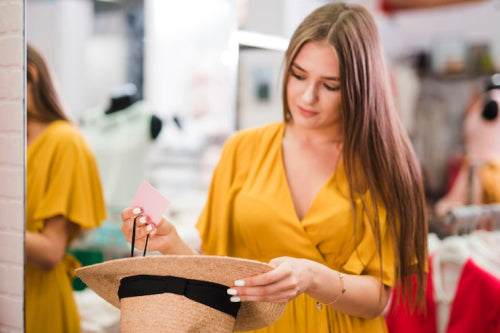
In a world awash with disposable clothing and cookie-cutter décor, a quiet revolution is unfolding. From the vibrant workshops of Bangalore to the living rooms of London and Sydney, consumers are turning away from fast fashion's fleeting allure, seeking instead the timeless beauty of handcrafted goods. Enter IndieHaat, a Bangalore-based e-commerce platform that curates India's finest artisanal creations handwoven sarees, hand-carved décor, and natural skincare all sourced directly from skilled artisans. This shift isn't just a trend; it's a movement driven by a hunger for authenticity, sustainability, and cultural connection. Why are shoppers in India, the US, Singapore, Australia, the UK, and the UAE choosing handcrafted products over mass-produced alternatives? The answer lies in a blend of ethics, artistry, and global market dynamics.
Fast fashion erodes cultural heritage, sidelining artisans and reducing traditions to trends. At IndieHaat, we champion India's craftspeople with handcrafted sarees, apparel, décor, and skincare rooted in authenticity. Each piece embodies skill and ethical care. Support artisans and preserve India's timeless legacy Shop Now!
A Booming Handcrafted Market
The global appetite for handcrafted goods is surging, with compelling evidence to back it up. A market analysis reveals that the handicrafts industry was worth USD 739.95 billion in 2024 and is on track to reach USD 983.12 billion by 2030, growing at a steady 4.9% annually. Asia Pacific, led by India's rich artisanal heritage, commands a 34.81% share of this market, driven by demand for unique, eco-conscious products. In the US, the sector is expected to grow at a 3.7% annual rate, reflecting a shift toward valuing craftsmanship over mass production. Woodwork dominates with a 26.71% revenue share, while mass retailers, holding 39.04% of the market, are making these goods more accessible than ever.
This growth reflects a broader rejection of fast fashion's excesses its reliance on low-wage labor and environmentally damaging materials. IndieHaat stands at the forefront of this change, offering a meticulously curated collection of apparel, accessories, and home décor crafted from pure linen, silk, and cotton. By partnering directly with artisans, the brand ensures every piece is ethically produced and culturally authentic, preserving India's storied traditions while appealing to a global audience.
The Values Driving the Shift
The move toward handcrafted products is rooted in a desire for meaning. In India, traditional textiles like Tussar silk and linen sarees are experiencing a renaissance as consumers reconnect with their cultural roots. In Singapore and the UAE, where exclusivity is prized, the one-of-a-kind designs of artisanal goods hold undeniable appeal. Meanwhile, in the UK and Australia, eco-conscious shoppers are drawn to the sustainability of handcrafted items, which often use natural, biodegradable materials.
Digital platforms have turbocharged this trend. Social media particularly Instagram, Facebook, and YouTube has given artisans a global stage. IndieHaat leverages these channels to share the stories behind its products, from the intricate process of handweaving a saree to the artistry of crafting a wooden vase. On Instagram accounts like anilarubyraj and svishala74, customers see artisans at work, fostering trust and emotional connection. Marketplaces like Amazon and ONDC further amplify reach, allowing small-scale creators to compete in a global arena without sacrificing their craft's integrity.
At its core, this shift is about more than aesthetics it's about impact. A handwoven scarf from IndieHaat represents hours of skilled labor, often by artisans preserving centuries-old techniques. For consumers, purchasing such items is a way to support ethical practices, reduce environmental harm, and celebrate cultural heritage.
Navigating the Challenges
Yet, the path to widespread adoption of handcrafted goods isn't without obstacles. High pricing remains a significant barrier, particularly in India's tier-2 and tier-3 cities, where a handwoven silk saree can cost far more than a mass-produced alternative. The inability to touch and feel products online also creates a trust gap, with some consumers hesitant to invest without physical interaction. IndieHaat counters these challenges with transparent pricing, detailed product descriptions, and customer reviews that emphasize quality and authenticity, helping to bridge the gap between artisan and buyer.
Scaling production poses another hurdle. Unlike fast fashion's assembly lines, artisanal work is time-intensive, making it difficult to meet growing demand while maintaining quality. IndieHaat's solution is deliberate: they handpick artisans and enforce rigorous quality checks, ensuring every item reflects their commitment to excellence. This approach not only preserves the integrity of the craft but also reassures consumers wary of inconsistent quality.
Seizing Opportunities in a Growing Market
The future for handcrafted goods is bright, particularly in markets like India, Singapore, and the UAE, where rising incomes and cultural appreciation fuel demand. The global handicrafts market's projected climb to nearly USD 1 trillion by 2030 underscores its potential, with textiles and woodwork leading the charge. Mass retailers, holding a 39.04% market share in 2024, are increasingly stocking artisanal products, making them more accessible to mainstream consumers.
IndieHaat is well-positioned to capitalize on this growth. By educating consumers about the environmental toll of fast fashion such as its massive water consumption and textile waste the brand positions handcrafted goods as a sustainable alternative. In Australia, where eco-conscious shopping is gaining traction, IndieHaat sees room to expand, offering products that marry cultural authenticity with modern appeal. Their direct-to-artisan model also has profound economic benefits, providing fair wages and global market access to craftspeople, thus preserving traditional skills while empowering communities.
A Legacy Woven by Hand
As the world reckons with the fallout of overconsumption, the handcrafted movement offers a compelling alternative one that prioritizes quality, humanity, and heritage. Experts forecast that demand for artisanal goods will surge over the next decade, particularly in the US, UK, and UAE, where consumers are increasingly willing to pay a premium for meaningful purchases. IndieHaat's mission to deliver ethically crafted, culturally rich products isn't just a business model; it's a blueprint for a more thoughtful way to shop.
So, the next time you're browsing for a new outfit or home accent, pause to consider the story behind it. A single piece from IndieHaat's collection carries the weight of tradition, sustainability, and human connection. It's a choice that supports artisans, preserves culture, and treads lightly on the earth. Explore their offerings on Amazon, ONDC, or Instagram, and discover a world where every purchase tells a story worth sharing.
Frequently Asked Questions
Why are handcrafted products becoming more popular than mass-produced items?
Consumers are increasingly choosing handcrafted products because they offer authenticity, sustainability, and cultural connection that mass-produced items lack. The global handicrafts market reached USD 739.95 billion in 2024 and is projected to grow to USD 983.12 billion by 2030, reflecting a widespread rejection of fast fashion's environmental damage and low-wage labor practices. Handcrafted goods provide unique, one-of-a-kind designs while supporting ethical production and preserving traditional artisan techniques.
What are the main challenges when buying handcrafted products online?
The primary challenges include higher pricing compared to mass-produced alternatives, especially in tier-2 and tier-3 cities, and the inability to physically touch and feel products before purchasing. This creates a trust gap for some consumers who are hesitant to invest without tactile interaction. However, platforms like IndieHaat address these concerns through transparent pricing, detailed product descriptions, rigorous quality checks, and customer reviews that emphasize authenticity and craftsmanship.
How do handcrafted products support sustainability compared to fast fashion?
Handcrafted products are significantly more sustainable as they typically use natural, biodegradable materials like pure linen, silk, and cotton, avoiding fast fashion's reliance on environmentally damaging synthetic fabrics. The artisanal production process generates less waste and doesn't involve the massive water consumption associated with industrial manufacturing. By purchasing directly from artisans, consumers also support fair wages and preserve traditional skills, creating a positive economic and environmental impact while reducing the carbon footprint of global supply chains.
Disclaimer: The above helpful resources content contains personal opinions and experiences. The information provided is for general knowledge and does not constitute professional advice.
You may also be interested in: Impact of Fast Fashion on Artisan Communities in India – Indiehaat
Fast fashion erodes cultural heritage, sidelining artisans and reducing traditions to trends. At IndieHaat, we champion India's craftspeople with handcrafted sarees, apparel, décor, and skincare rooted in authenticity. Each piece embodies skill and ethical care. Support artisans and preserve India's timeless legacy Shop Now!
Powered by flareAI.co