
Why Conscious Consumers Choose Handmade Goods
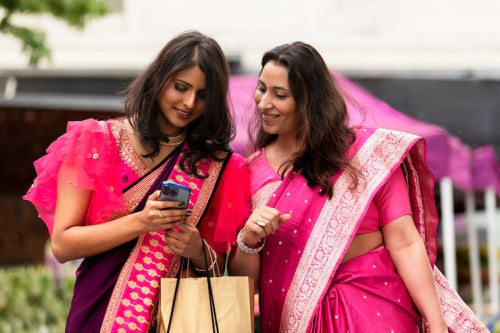
Handmade goods are gaining attention among consumers who want their purchases to reflect more than convenience. A product created by skilled artisans can represent careful workmanship, cultural knowledge, and a connection between the maker and the person who chooses it. For conscious consumers, the decision to buy handmade is often connected to questions about how products are made, who creates them, and what values their purchases support.
Choosing handmade goods is not only about finding something visually distinctive. It is also about recognising the effort behind each piece, from traditional techniques and material selection to the time required for skilled craftsmanship. As shoppers become more thoughtful about their buying habits, handmade products offer an alternative to standardised items by bringing individuality and meaning into everyday consumption.
Fast fashion erodes cultural heritage, sidelining artisans and reducing traditions to trends. At IndieHaat, we champion India's craftspeople with handcrafted sarees, apparel, décor, and skincare rooted in authenticity. Each piece embodies skill and ethical care. Support artisans and preserve India's timeless legacy Shop Now!
Why Conscious Consumers Are Looking Beyond Mass Production
The appeal of handmade products comes from a growing desire for authenticity. Many consumers are reconsidering the relationship they have with the items they own, moving away from disposable purchasing patterns and looking for products that feel personal, durable, and connected to a story.
Handmade goods often provide qualities that are difficult to replicate through large-scale manufacturing. Variations in texture, design, and finishing details show the human involvement behind the product. These characteristics can make an item feel more valuable because the buyer understands that it represents time, skill, and creative decision-making.
The shift toward more intentional purchasing also reflects changing ideas about ownership. Instead of simply choosing products based on price or availability, conscious consumers increasingly consider the long-term value of what they buy. A thoughtfully created textile, accessory, or home décor piece can become something people appreciate and maintain for years.
This approach has helped handmade goods become part of a broader conversation around responsible consumption. The focus is not only on the final product but also on the process, people, and traditions involved in creating it.
The Connection Between Handmade Goods and Ethical Shopping Choices
For many shoppers, ethical shopping choices begin with understanding where products come from. Handmade goods create an opportunity to explore the people and skills behind everyday objects, helping consumers make decisions based on transparency and personal values.
Supporting local artisans is one of the strongest reasons conscious consumers choose handmade products. When shoppers purchase artisan-crafted goods, they are also recognising specialised skills that have often been developed and passed through generations. This relationship between consumer and creator adds a human dimension to the buying experience.
Artisan-focused businesses demonstrate how traditional skills can reach wider audiences while creating opportunities for makers who depend on specialised craftsmanship. A social impact approach to artisan products shows how handmade goods can connect purchasing decisions with communities, creative traditions, and responsible business practices.
For consumers, this connection can make a purchase feel more meaningful. Instead of buying an anonymous product with limited context, they gain insight into the craftsmanship, cultural influences, and creative process behind the item.
How Handmade Products Support Sustainability Through Better Choices
The conversation around sustainable handmade products often begins with the idea of buying more thoughtfully rather than simply buying more. Conscious consumers are increasingly interested in products that align with values such as durability, responsible production, and appreciation for resources.
Handmade goods can encourage a different relationship with consumption. When people understand the work involved in creating an item, they may be more likely to care for it, repair it, and keep it for longer. This emotional connection can influence how consumers view the lifespan and importance of their possessions.
The growing interest in craftsmanship also reflects a response to the environmental and emotional effects of disposable consumption. Consumers are seeking items that offer lasting value, where uniqueness and quality become important parts of the purchase decision. Meaningful craftsmanship is becoming a key part of how people evaluate products beyond appearance and function.
Sustainability is not only about materials or production methods. It is also about creating a mindset where consumers think carefully about what they bring into their homes and wardrobes. Handmade products naturally fit into this approach by encouraging appreciation for skill, effort, and longevity.
The Cultural Value Behind Artisan-crafted Goods
Every handmade product carries elements of the culture, techniques, and creative expression behind its creation. Traditional crafts often preserve knowledge that reflects a community's history, regional identity, and artistic practices.
For conscious consumers, this cultural connection adds another layer of value. A handcrafted product is not simply an object; it can represent a relationship between heritage and modern lifestyles. Wearing a handmade textile or decorating a space with artisan-made pieces allows people to bring stories and traditions into their everyday surroundings.
This appreciation is especially important in a marketplace where many products can look similar. Handmade goods provide a way for consumers to discover designs and techniques that are shaped by individual creativity rather than standardised production.
Preserving craftsmanship also requires continued appreciation from consumers. When buyers recognise the value of artisan skills, they contribute to keeping traditional practices visible and relevant for future generations.
Handmade vs Mass Produced Products: Understanding the Difference
The choice between handmade and mass-produced products is not simply about one being better than the other. Each approach serves different needs, but conscious consumers often compare them based on factors such as uniqueness, craftsmanship, transparency, and personal connection.
- Individuality: Handmade items often include distinctive details that reflect the maker's creative process.
- Craftsmanship: Artisan products highlight specialised skills and careful production methods.
- Connection: Handmade purchases can provide a stronger understanding of the people and traditions behind the product.
- Meaning: Consumers may value products that represent personal beliefs and thoughtful choices.
Mass production can provide accessibility and consistency, but handmade goods offer a different kind of value. For shoppers who prioritise authenticity and responsible purchasing, the story behind an item can be just as important as its practical purpose.
What Brands Can Learn From the Rise of Conscious Consumption
The growing interest in handmade goods offers important lessons for businesses serving modern consumers. Customers increasingly want clarity about products, including information about materials, makers, and production approaches.
Brands that communicate the human side of their products can create stronger relationships with audiences. Sharing the craftsmanship behind an item, the inspiration behind a design, and the people involved in creating it helps consumers understand why a product has meaning.
This does not require businesses to rely only on promotional messaging. Educational storytelling, transparent product information, and respect for artisan communities can help build trust naturally.
For marketplaces focused on handcrafted products, this creates an opportunity to connect consumers with makers while highlighting the value of traditional skills. The role is not only to sell products but also to help shoppers understand the creativity and effort represented by each piece.
Why Handmade Goods Matter to the Future of Conscious Shopping
The growing interest in handmade goods reflects a broader change in how consumers think about value. People are increasingly considering the impact of their purchases, the stories behind products, and the communities connected to what they buy.
Handmade products provide an opportunity to choose items that feel personal, thoughtful, and connected to human creativity. They remind consumers that everyday purchases can represent more than function; they can support craftsmanship, preserve traditions, and encourage more mindful habits.
For conscious consumers, choosing handmade is ultimately about making purchases with greater awareness. It is a way to appreciate skill, celebrate creativity, and build a closer connection with the objects that become part of daily life.
Frequently Asked Questions
Why do conscious consumers choose handmade goods over mass-produced products?
Conscious consumers often choose handmade goods because they value authenticity, craftsmanship, and the story behind each product. Handmade items can offer a stronger connection to artisans, traditional skills, and thoughtful production compared with standardised mass-produced alternatives.
What are the benefits of handmade products for sustainable and ethical shopping choices?
The benefits of handmade products include supporting artisan communities, encouraging responsible consumption, and choosing items that are created with care and attention. Many consumers appreciate handmade goods because they align with values such as sustainability, durability, and transparency.
How do artisan-crafted goods preserve cultural heritage and support local artisans?
Artisan-crafted goods help preserve cultural heritage by keeping traditional techniques, creative practices, and community skills visible. Choosing these products allows consumers to support local artisans while owning items that reflect unique craftsmanship and cultural stories.
Disclaimer: The above helpful resources content contains personal opinions and experiences. The information provided is for general knowledge and does not constitute professional advice.
You may also be interested in: Why People Are Choosing Handmade Over Machine-made
Fast fashion erodes cultural heritage, sidelining artisans and reducing traditions to trends. At IndieHaat, we champion India's craftspeople with handcrafted sarees, apparel, décor, and skincare rooted in authenticity. Each piece embodies skill and ethical care. Support artisans and preserve India's timeless legacy Shop Now!
Powered by flareAI.co