
What to Know About Handloom Sarees Before Buying
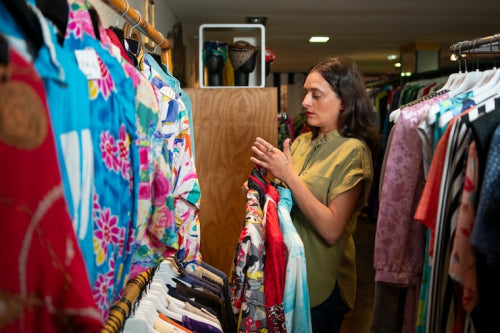
Handloom sarees represent more than traditional attire; they embody centuries of craftsmanship passed down through generations of weavers. For Indian women across urban professionals, festival planners, and diaspora shoppers, selecting the right piece can be overwhelming. Regional variations in patterns, fabric textures, and construction methods create real uncertainty when shopping online or in stores. This guide equips you with practical knowledge to evaluate handloom sarees confidently, ensuring you choose authentic pieces that last generations while aligning with your lifestyle needs.
Fast fashion erodes cultural heritage, sidelining artisans and reducing traditions to trends. At IndieHaat, we champion India's craftspeople with handcrafted sarees, apparel, décor, and skincare rooted in authenticity. Each piece embodies skill and ethical care. Support artisans and preserve India's timeless legacy Shop Now!
Understanding the Definition of Handloom Sarees
Handloom sarees differ fundamentally from machine-woven varieties in their creation process. Artisans weave them using traditional looms, allowing natural fibres to shine through without industrial shortcuts. This results in fabrics with inherent texture, subtle variations in colour, and a handmade soul that mass-produced options cannot replicate.
These sarees often incorporate natural dyes derived from plants and minerals, preserving the integrity of both the fabric and the artisan's vision. The absence of synthetic treatments means the material responds uniquely to light and wear, developing a patina over time that enhances its elegance.
Recognising the Primary Handloom Techniques and Weave Patterns
India boasts over 2,000 handloom weaving styles, each with distinct characteristics. Brocade sarees feature raised metallic threads that catch the light beautifully, while plain weaves offer a smooth, breathable drape perfect for daily ethnic wear. Ikat patterns, created through resist-dyeing before weaving, produce blurred edges that add artistic depth.
Tussar and muga silks from Assam stand out for their natural sheen and durability, often reserved for special occasions yet versatile for contemporary styling. Moslin and organza variants provide lightweight options suitable for monsoon climates or office settings. Recognising these techniques helps you anticipate how a saree will behave in your wardrobe.
Common Handloom Variants Worth Exploring
- Broderie with zari work for festive elegance
- Silk and cotton blends for breathability in warmer regions
- Georgette and chiffon for flowing silhouettes
- Chanderi and maheshwari for textured, artistic appeal
Evaluating Fabric Quality and Material Properties
Fabric choice determines how well a saree will serve your needs. Pure silk remains soft yet structured, while cotton and linen blends offer durability for everyday ethnic wear. Avoid heavy velvets or stiff brocades unless you plan to reserve them for rare events.
Texture matters significantly. Smooth, slightly lustrous fabrics feel luxurious against the skin, while those with natural irregularities show the artisan's touch. When selecting online, check for mentions of single-ply or double-ply yarns, which indicate thread strength and resistance to fraying.
Key Indicators of Authentic Handloom Construction
Authentic handloom sarees display visible evidence of manual labour. Look for uneven selvages, slight variations in colour across the fabric, and threads that show natural tension rather than uniform machine perfection. The fabric should feel substantial yet flexible, with edges that require no additional binding.
Reputable sellers provide detailed descriptions of the weaving process, including loom type and yarn count. Any claim of “handloom” paired with perfect uniformity or machine-like precision warrants caution, as true handloom pieces naturally display subtle imperfections that define their value.
Navigating Saree Care and Long-term Preservation
Proper care preserves the investment you make in a handloom saree. These fabrics require gentle handling to maintain their beauty across decades. Dry cleaning remains the recommended method, as water, harsh detergents, or machine washing can strip natural dyes and weaken threads.
Spot cleaning with cold water and a soft cloth works best for minor stains. Always air-dry in shade rather than direct sunlight, and store wrapped in soft cotton or muslin cloth to prevent mould, especially in humid Indian climates. Refolding every few months prevents permanent creases, while ironing on the reverse side with a thin cloth barrier protects the surface.
Practical Considerations for Different Saree Styles and Occasions
Choosing the right weight and drape depends on your lifestyle. Lightweight organza or chiffon sarees work beautifully for office settings or casual outings, while heavier brocades suit grand festivals. For urban professionals, breathable cotton or linen blends provide comfort during long days, whereas traditional heavy silks shine for weddings and cultural events.
Geographical and seasonal factors also influence decisions. In tropical regions, lighter fabrics prevent discomfort during peak heat, while cooler winters favour warmer options with subtle patterns. Festival planners benefit from versatile pieces that transition seamlessly from pre-wedding events to post-ceremony celebrations.
How to Choose the Right Saree for Your Lifestyle and Budget
Budget considerations should align with quality expectations. Entry-level handloom sarees start from authentic pieces that maintain their charm through careful maintenance. Mid-range options from established artisans offer refined craftsmanship without compromising affordability.
Focus on pieces that match your lifestyle needs rather than chasing trends. A versatile everyday ethnic wear saree might cost less than a ceremonial one, yet both deliver long-term satisfaction when sourced from trusted platforms. Investing in quality handloom ensures your purchase becomes part of your collection rather than a one-season item.
Looking for the Best Handloom Sarees for Beginners
Beginners often feel uncertain about evaluating pieces online. Start with well-documented listings that include fabric composition, care instructions, and styling tips. Trusted retailers provide detailed visuals and authentic descriptions, helping you assess quality before purchase.
Popular choices for new collectors include lightweight cotton or silk blends that offer both tradition and practicality. These pieces combine elegance with ease of care, making them ideal for those new to appreciating handloom heritage.
Final Thoughts on Building a Timeless Handloom Saree Collection
Handloom sarees transcend fashion; they serve as cultural touchstones and heirlooms that connect you to Indian craftsmanship. By understanding the nuances of construction, fabric, and care, you can build a wardrobe that evolves with your life. The right pieces bring joy through every festival, ceremony, and daily ethnic moment.
A new generation of digitally native direct-to-consumer companies is rapidly reshaping the saree category reimagining it not as a ceremonial relic but as a versatile contemporary fashion product. These brands are using technology design innovation and social commerce to unlock a market estimated at Rs 80 000 crore. In doing so they are bringing structure venture capital and new consumer narratives to one of India's oldest apparel segments. Historically the saree's biggest commercial constraint was not demand but usability. Draping complexity perceived lack of versatility and the garment's association with weddings or formal occasions limited its appeal among younger urban consumers.
Digital-first brands have addressed this barrier through product innovation. Contemporary labels are redesigning the saree around modern lifestyles. Their product strategies focus on lightweight fabrics simplified draping techniques and versatile silhouettes that allow the garment to function as officewear casual attire or occasion dressing. These engineered garments retain the visual elegance of traditional drapes while eliminating the technical complexity associated with pleating and tucking. For first-time users particularly Gen Z consumers entering the workforce this innovation lowers the adoption barrier.
Frequently Asked Questions
What are handloom sarees and how are they different from machine-woven sarees?
Handloom sarees are traditionally woven by artisans using manual looms, which gives them unique textures, natural variations, and handcrafted appeal. Unlike machine-woven sarees, authentic handloom sarees often show subtle imperfections that reflect the artisan's skill and craftsmanship.
How can I identify an authentic handloom saree before buying?
You can identify an authentic handloom saree by checking for signs such as slight colour variations, uneven selvages, natural thread tension, and detailed information about the weaving process. Trusted sellers usually provide details about the loom type, yarn count, and fabric composition to help buyers make informed choices.
Which handloom saree fabrics are best for beginners and everyday wear?
Lightweight cotton, linen blends, silk blends, organza, and Chanderi handloom sarees are good choices for beginners because they offer comfort and easy styling. Choosing the right fabric depends on your lifestyle, climate, and occasion, with lighter fabrics suited for daily wear and heavier silks ideal for weddings and festivals.
Disclaimer: The above helpful resources content contains personal opinions and experiences. The information provided is for general knowledge and does not constitute professional advice.
You may also be interested in: Buy Pure Cotton Saree: What to Know Before You Shop
Fast fashion erodes cultural heritage, sidelining artisans and reducing traditions to trends. At IndieHaat, we champion India's craftspeople with handcrafted sarees, apparel, décor, and skincare rooted in authenticity. Each piece embodies skill and ethical care. Support artisans and preserve India's timeless legacy Shop Now!
Powered by flareAI.co