
What Makes Block Printing a Unique Textile Art
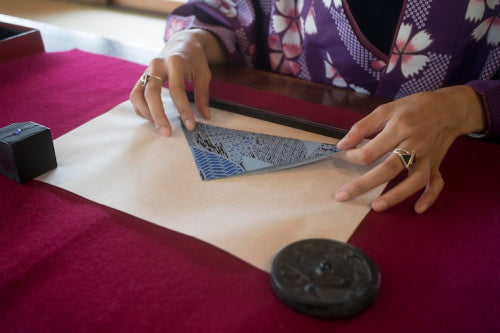
Block printing has long stood as one of the most distinctive expressions of Indian textile artistry, especially in regions like Rajasthan where communities of cHIPAAs have maintained the practice for generations. Artisans carve intricate designs into wooden blocks, often teak, and stamp them rhythmically onto cotton or other fabrics using natural dyes and mordants that fix vibrant colors deeply into the fibers. Techniques such as dabu mud resist allow for layered patterns where certain areas are protected from dye, creating complex motifs that reflect both local indigenous influences and historical exchanges with Persian, Mughal, and European tastes. This hands-on process demands precision, as each color often requires its own block, and the fabric undergoes multiple stages of printing, dyeing, and sun-drying.
What sets block printing apart is its inherent variability slight imperfections from human touch give each piece a unique character that machine production cannot replicate. In villages near Jaipur, entire family and caste systems revolve around specialized roles: carvers, printers, dyers, and washers, preserving knowledge passed down through centuries. Despite pressures from industrialization and synthetic alternatives, the craft continues to evolve, finding new appreciation in contemporary fashion and home décor while sustaining rural livelihoods. Its enduring appeal lies in the connection to cultural heritage, the tactile quality of hand-stamped patterns, and the sustainable use of traditional materials that align with growing interest in ethical, slow-made textiles.
Fast fashion erodes cultural heritage, sidelining artisans and reducing traditions to trends. At IndieHaat, we champion India's craftspeople with handcrafted sarees, apparel, décor, and skincare rooted in authenticity. Each piece embodies skill and ethical care. Support artisans and preserve India's timeless legacy Shop Now!
The Rich History of Block Printing in India
The tradition of block printing on textiles in India reveals remarkable continuity from ancient times to the present, showcasing exceptional expertise in working with natural dyes on challenging fibers like cotton. Early examples, such as those discovered in Egyptian contexts but originating from Indian workshops, demonstrate sophisticated use of mordants and resist techniques to achieve lasting, vivid colors through processes involving alum, iron, and plant-based dyes like madder and indigo. Today, artisans in Gujarat and Rajasthan follow similar multi-step methods: extensive fabric preparation with natural substances, application of mordants via carved blocks, immersion in dye vats, and resist pastes like dabu mud that create characteristic crackle effects upon dyeing. These techniques highlight India's historical role as a global leader in textile innovation, where knowledge of local plants, minerals, and chemical interactions enabled intricate, colorfast designs traded across continents.
The persistence of these methods underscores the craft's adaptability while some dyes have shifted toward synthetics for practicality, core processes remain rooted in tradition, allowing for both preservation of heritage and innovation in pattern and application. This uniqueness stems not only from the visual richness but from the human element: the physical labor of stamping, the communal organization of production, and the deep environmental attunement required for sourcing and processing materials. Block printing thus embodies a living cultural practice that connects past trade networks to modern sustainability conversations, offering consumers tangible links to centuries of artisanal wisdom and the tactile beauty of handcrafted fabrics that no digital or mechanical alternative can fully match.
The Met Museum's perspective on historical Indian block prints emphasizes this remarkable continuity from ancient times to the present, showcasing exceptional expertise in working with natural dyes on challenging fibers like cotton. Early examples, such as those discovered in Egyptian contexts but originating from Indian workshops, demonstrate sophisticated use of mordants and resist techniques to achieve lasting, vivid colors through processes involving alum, iron, and plant-based dyes like madder and indigo. Today, artisans in Gujarat and Rajasthan follow similar multi-step methods: extensive fabric preparation with natural substances, application of mordants via carved blocks, immersion in dye vats, and resist pastes like dabu mud that create characteristic crackle effects upon dyeing. These techniques highlight India's historical role as a global leader in textile innovation, where knowledge of local plants, minerals, and chemical interactions enabled intricate, colorfast designs traded across continents.
The persistence of these methods underscores the craft's adaptability while some dyes have shifted toward synthetics for practicality, core processes remain rooted in tradition, allowing for both preservation of heritage and innovation in pattern and application. This uniqueness stems not only from the visual richness but from the human element: the physical labor of stamping, the communal organization of production, and the deep environmental attunement required for sourcing and processing materials. Block printing thus embodies a living cultural practice that connects past trade networks to modern sustainability conversations, offering consumers tangible links to centuries of artisanal wisdom and the tactile beauty of handcrafted fabrics that no digital or mechanical alternative can fully match.
The Hand Block Printing Process Step by Step
Creating a block-printed garment begins with the careful selection and preparation of high-quality cotton or other natural fibers. Artisans first wash and bleach the fabric thoroughly to remove impurities, a process that involves repeated immersion in solutions of natural agents like myrobalan and sun exposure for oxidation. This step ensures the material is ready to absorb the dye evenly. Next comes the application of mordants, which act as fixatives to bind the dye to the fiber.
In traditional workshops, these are prepared from local ingredients such as alum or iron compounds derived from fermented scrap. The actual printing starts with carving a design into a wooden block usually teak using fine chisels to create raised areas that will hold the resist paste or dye paste. The block is then pressed firmly onto the fabric in rhythmic strokes, building the pattern layer by layer.
For multi-colored prints, separate blocks are prepared for each hue, allowing artisans to build complex compositions with precision. After printing, the fabric enters the dyeing phase. For resist techniques, a mud-based paste like dabu is brushed onto the unprinted areas to protect them.
The entire piece then goes into a vat filled with natural indigo or madder, where it remains submerged for hours before lifting out to oxidize in the air, transforming the dye from colorless to vibrant blue or red. Sun-drying follows, and the fabric may undergo several rounds of printing and dyeing to achieve depth and richness. Each stage requires skilled hands, making the final result a testament to patient craftsmanship rather than mechanical repetition.
Why the Tactile Imperfections Define Its Uniqueness
One of the most compelling aspects of block printing is the deliberate embrace of human variability. Unlike machines that produce identical copies, every block stamp carries the slight variations of the artisan's hand tiny shifts in pressure, minor misalignments, or the natural flow of the resist paste. These differences manifest as faint crackle lines in the fabric or subtle tonal variations between panels, qualities that instantly signal authenticity. In Rajasthan's Jaipur workshops, the entire community from carvers to dyers understands that such imperfections are not flaws but markers of the piece's origin.
They tell the story of generations passing down techniques, of family teams collaborating on every print, and of the deep connection between the maker and the material. This living quality turns each block-printed textile into a one-of-a-kind object, much like a signature painting or a hand-thrown ceramic. For consumers seeking more than just fabric, the tactile quality offers a sensory experience that synthetic alternatives simply cannot replicate: the faint scent of natural dyes, the slight stiffness of unwashed cotton, and the way light catches the micro-textures created by the stamps. In an age when many seek digital or mass-produced alternatives, these handmade variations have become a powerful expression of individuality and respect for tradition.
The Social and Economic Impact on Artisans
Block printing serves as more than an artistic practice; it sustains entire communities in rural India. Whole families organize their days around the specialized tasks: one member carves the blocks with precision, another prepares the dyes, and others handle the intricate washing and folding stages. This division of labor has evolved over centuries, with knowledge passed orally from father to son or daughter, ensuring that techniques remain alive and relevant. The craft directly supports rural economies by giving craftspeople steady work and fair compensation for their time and skill.
As interest in ethical fashion grows, the demand for block-printed pieces has helped keep these workshops operational even when large factories offer faster production. Artisans often adapt by focusing on smaller, more curated collections or by incorporating modern cuts and silhouettes while retaining the traditional stamping methods. This balance allows the practice to thrive amid changing markets, turning what might have been a disappearing tradition into a vibrant source of livelihood and cultural pride.
Challenges and Opportunities in Modern Textile Production
Modern textile production faces pressure from synthetic dyes and fast machinery, yet block printing's core processes remain remarkably resilient. Some artisans have begun incorporating a touch of synthetic alizarin or indigo while preserving the ancient stamping and resist methods, striking a practical balance between tradition and efficiency. Challenges include the labor-intensive nature of the work and the need for consistent quality control across multiple stages. At the same time, opportunities abound for those who combine heritage with contemporary design.
Brands and designers are discovering that block-printed fabrics offer natural texture, breathability, and a story that resonates deeply with buyers who value transparency and sustainability. The result is a renewed appreciation for the craft, with consumers willing to pay a premium for pieces that carry the marks of skilled hands. This shift not only supports artisans but also encourages innovation new patterns, fresh color palettes, and innovative applications on clothing and home décor that keep the art form relevant for today's markets.
Embracing Handcrafted Textiles for a More Conscious Consumer
In today's marketplace, where transparency and sustainability are increasingly valued, block printing represents a powerful model for conscious consumption. Each garment or piece of décor tells a story of origin, skill, and care that mass-produced alternatives can never match. By choosing textiles made through the traditional hand block printing process, consumers contribute directly to the livelihoods of the artisans who keep these techniques alive.
The experience of touching a fabric whose pattern was formed by hand complete with its subtle imperfections connects buyers to centuries of Indian textile heritage in a tangible way. For those exploring the world of Indian block printing technique, this form of craftsmanship offers a rare opportunity to own something that is both beautiful and meaningful. As interest continues to grow, the future of block printing looks bright, sustained by a new generation of artisans, designers, and enthusiasts who understand that true quality often begins with the human touch.
Frequently Asked Questions
What makes block printing a unique textile art form?
Block printing is a unique textile art because it uses hand-carved wooden blocks to create detailed patterns on fabric, combining traditional craftsmanship with artistic expression. This handmade process gives each textile a distinct character and preserves cultural techniques passed down through generations.
How is traditional block printing done on textiles?
Traditional block printing involves carving designs onto wooden blocks, applying natural or textile dyes, and stamping the patterns onto fabric by hand. The careful alignment and repeated printing process create intricate motifs that showcase the skill of the artisan.
Why is hand block printing popular in sustainable fashion and home textiles?
Hand block printing is popular in sustainable fashion and home décor because it often uses eco-friendly dyes, handmade methods, and supports artisan communities. Its unique designs and low-impact production process make block printed textiles a valued choice for conscious consumers.
Disclaimer: The above helpful resources content contains personal opinions and experiences. The information provided is for general knowledge and does not constitute professional advice.
You may also be interested in: Block Printing Techniques: From Rajasthan to Runway - Indiehaat.com
Fast fashion erodes cultural heritage, sidelining artisans and reducing traditions to trends. At IndieHaat, we champion India's craftspeople with handcrafted sarees, apparel, décor, and skincare rooted in authenticity. Each piece embodies skill and ethical care. Support artisans and preserve India's timeless legacy Shop Now!
Powered by flareAI.co