Understanding Tussar Silk: Origin, Texture, and Uses
Tussar silk is valued for a character that feels distinct from smoother silk varieties. Its natural texture, earthy appearance, and connection with traditional weaving practices have made it an important textile in Indian craftsmanship. For anyone exploring heritage fabrics, understanding what is Tussar silk involves looking beyond its surface appeal and discovering the relationship between wild silk production, regional skills, and handmade textile traditions.
Fast fashion erodes cultural heritage, sidelining artisans and reducing traditions to trends. At IndieHaat, we champion India's craftspeople with handcrafted sarees, apparel, décor, and skincare rooted in authenticity. Each piece embodies skill and ethical care. Support artisans and preserve India's timeless legacy Shop Now !
What Is Tussar Silk and Why Is It Unique?
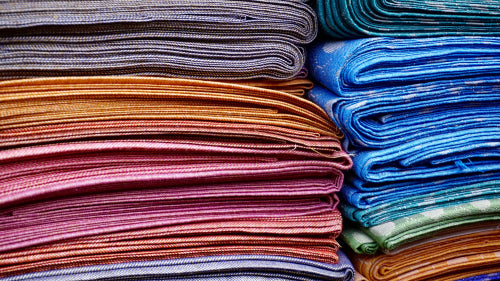
Tussar silk is a type of wild silk known for its textured feel and naturally warm appearance. Unlike highly uniform fabrics created through industrial finishing, tussar retains qualities that reflect the natural characteristics of its fibres. This gives the fabric a slightly irregular surface, a rich hand-feel, and a visual depth that appeals to those who appreciate traditional textiles.
The appeal of Tussar silk comes from the balance between refinement and authenticity. It has a sophisticated look while preserving the handmade character associated with artisan weaving. This makes it a preferred choice for garments and textile products where the fabric itself contributes to the overall design story.
The connection between silk cultivation, artisan knowledge, and regional textile identity is an important part of India's silk heritage. Government information on Indian silk traditions highlights how silk production combines agricultural practices, artisan skills, regional identities, and long-established weaving knowledge. Indian silk heritage continues to influence how traditional fabrics are understood and valued today.
The Origin of Tussar Silk: From Wild Silk to Handcrafted Fabric
The origin of Tussar silk is closely connected with wild silk traditions. Unlike cultivated silks that follow more controlled production systems, wild silk varieties are associated with forest-based environments and natural silk-producing processes. This connection gives tussar its distinctive identity and explains why it is often appreciated as a fabric with a closer relationship to nature and traditional craftsmanship.
Creating tussar fabric involves multiple stages, from silkworm cultivation and cocoon processing to weaving. Each step requires specialised knowledge, and the final textile reflects the combined work of producers, artisans, and weavers. The process demonstrates why handmade textiles often carry a deeper story than their finished appearance alone suggests.
Regional practices also shape the identity of tussar silk. Different weaving communities bring their own techniques, design approaches, and finishing methods to the fabric. These variations contribute to the diversity found within Indian handloom traditions.
One example of regional tussar craftsmanship can be seen in Bhandara's Kosa silk tradition. The textile is recognised for its natural colour, strength, and textured surface, while local artisan communities continue to preserve skills connected with this form of silk work. Bhandara tussar tradition shows how regional identity remains closely linked with the character of the fabric.
Understanding Tussar Silk Texture and Appearance
Tussar silk texture is one of the main reasons the fabric stands apart. It has a naturally crisp yet soft feel, with a surface that is more textured than many conventional silk varieties. This tactile quality gives garments a handcrafted appearance and allows the material to create a subtle visual richness.
The fabric is often recognised for its warm tones and understated elegance. Rather than relying on a highly polished finish, tussar creates appeal through its natural variations. These characteristics make it suitable for people who appreciate textiles with individuality and a visible connection to traditional production methods.
The texture also influences how tussar is used in fashion. Designers and artisans often work with its natural structure rather than trying to remove its distinctive qualities. The result is clothing and accessories that highlight the fabric's authenticity while offering a refined appearance.
For consumers comparing different silk options, the difference between Tussar silk and other silks often comes down to texture, origin, and overall feel. Smooth silks may focus on shine and fluidity, while tussar is appreciated for its organic surface, strength, and earthy character.
Uses of Tussar Silk Fabric in Traditional and Contemporary Design
The uses of Tussar silk fabric extend across traditional clothing, accessories, and contemporary textile design. Its combination of durability, texture, and natural appearance allows artisans and designers to explore a wide range of creative applications.
One of the most recognised uses is in Indian Tussar silk sarees. The fabric's structure provides a graceful drape while maintaining the distinctive texture that makes each piece visually unique. Handwoven sarees made from tussar often highlight regional motifs, weaving techniques, and artisan craftsmanship.
Beyond sarees, tussar can be used for stoles, scarves, dress materials, and other apparel pieces. Its natural character also makes it suitable for designs that focus on simplicity, craftsmanship, and timeless style rather than short-lived trends.
Home décor and lifestyle applications can also benefit from fabrics with strong visual and tactile qualities. Tussar's texture can add depth to handcrafted textile products where material choice plays an important role in the final experience.
Why Tussar Silk Matters in Sustainable Fashion Conversations
Interest in traditional fabrics is often connected with a broader appreciation for craftsmanship, responsible consumption, and long-lasting design. Fabrics like tussar encourage consumers to think about where materials come from, how they are made, and the people involved in creating them.
Unlike mass-produced textiles designed for complete uniformity, handmade tussar products often preserve natural variations. These variations are not imperfections; they are part of the identity of the material and the skills behind its creation.
The relationship between textile heritage and artisan livelihoods is another important aspect of tussar silk. Traditional silk communities rely on knowledge passed through generations, and supporting awareness of these crafts helps keep attention on the value of skilled handmade work.
For modern shoppers, learning about fabrics before purchasing can lead to more meaningful choices. Understanding the origin, texture, and uses of a textile allows buyers to appreciate not only the final product but also the cultural and creative process behind it.
How to Appreciate and Choose Tussar Silk
Choosing tussar silk begins with understanding its natural characteristics. The fabric's appeal comes from its texture, warmth, and handcrafted quality rather than a perfectly uniform appearance. Consumers exploring tussar should consider the type of product, weaving style, and craftsmanship involved.
Look Beyond Appearance
A textile's value is not determined only by colour or design. The story behind the material, the techniques used to create it, and the expertise of the artisans contribute to its significance. Tussar silk represents this connection between material and craftsmanship.
Understand the Fabric's Natural Qualities
Because tussar has a distinctive texture, it may feel different from smoother silk varieties. Appreciating these qualities helps consumers recognise why the fabric has remained important in traditional and contemporary fashion.
Value Artisan Craftsmanship
Handcrafted textiles reflect the skills of the people who create them. Exploring fabrics such as tussar silk provides an opportunity to engage with India's diverse textile traditions and the communities that continue to preserve them.
The Continuing Relevance of Tussar Silk
Tussar silk continues to hold importance because it represents more than a fabric choice. It connects natural materials, regional traditions, artisan expertise, and evolving fashion preferences. Its appeal lies in the balance between heritage and modern relevance.
As interest grows in authentic handmade textiles, understanding fabrics becomes an essential part of making informed choices. Tussar silk offers a reminder that clothing can carry cultural meaning, craftsmanship, and a connection to the people who create it.
For those exploring Indian handcrafted textiles, learning about the origin, texture, and uses of tussar silk provides a deeper appreciation of why this fabric remains a valued part of textile heritage. Its distinctive qualities continue to inspire artisans, designers, and consumers who seek materials with character and history.
Frequently Asked Questions
What is Tussar silk and how is it different from other silks?
Tussar silk is a type of wild silk known for its natural texture, warm appearance, and handcrafted character. Unlike smoother silk varieties, Tussar silk has a more textured surface and organic feel that reflects the natural qualities of its fibres.
What is the origin of Tussar silk?
The origin of Tussar silk is connected with wild silk traditions and traditional weaving communities in India. Its journey from silkworm cultivation and cocoon processing to handloom weaving reflects the skills of artisans and the heritage of regional textile practices.
What are the common uses of Tussar silk fabric?
The uses of Tussar silk fabric include traditional clothing such as Indian Tussar silk sarees, as well as stoles, scarves, dress materials, and handcrafted textile products. Its texture, durability, and natural appearance make it suitable for both traditional and contemporary designs.
Disclaimer: The above helpful resources content contains personal opinions and experiences. The information provided is for general knowledge and does not constitute professional advice.
You may also be interested in: Sustainable Packaging in Indian Craft Retail: Why It Matters
Fast fashion erodes cultural heritage, sidelining artisans and reducing traditions to trends. At IndieHaat, we champion India's craftspeople with handcrafted sarees, apparel, décor, and skincare rooted in authenticity. Each piece embodies skill and ethical care. Support artisans and preserve India's timeless legacy Shop Now !
Powered by flareAI.co