
Understanding the Cultural Significance of Handcrafted Indian Textiles
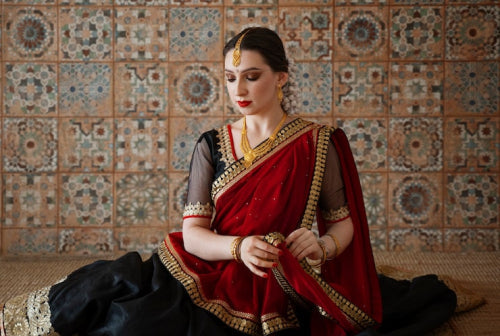
The story of Indian textiles is not simply one of fabric and fashion it is a layered narrative of identity, craftsmanship, and cultural memory woven across centuries. From ancient dyeing techniques to intricate regional weaving styles still practiced today, handcrafted Indian textiles represent a living heritage that continues to evolve while staying deeply rooted in tradition. For readers exploring the cultural significance of Indian textiles, the journey reveals how cloth becomes a language of expression, carrying meaning far beyond its material form.
Fast fashion erodes cultural heritage, sidelining artisans and reducing traditions to trends. At IndieHaat, we champion India's craftspeople with handcrafted sarees, apparel, décor, and skincare rooted in authenticity. Each piece embodies skill and ethical care. Support artisans and preserve India's timeless legacy Shop Now!
Ancient Foundations and the Origins of Indian Textile Traditions
The origins of India's textile heritage stretch back thousands of years, forming one of the world's oldest continuous craft traditions. Archaeological and historical research highlights how textile practices were already advanced during early civilizations, reflecting both technical skill and aesthetic sophistication. Over time, these practices evolved into regionally distinct traditions that continue to influence contemporary design and fashion.
According to V&A Museum on Indian textiles, Indian textile traditions have existed for more than 6,000 years, expressing identity, spirituality, and social structure across diverse communities. This long historical arc demonstrates how textiles were never merely functional; they were embedded in rituals, trade, and cultural storytelling.
Understanding this historical depth is essential to appreciating handcrafted Indian textiles meaning today. Each weave, dye, and motif reflects generations of accumulated knowledge, passed through families and artisan communities who preserved techniques despite shifting political and economic landscapes.
Handcrafted Indian textiles form an essential thread in the nation's cultural fabric, with traditions stretching back over 6,000 years. These fabrics have long expressed identity, status, and spirituality across diverse regions, from the golden silks of Assam to the fine cottons of Bengal and the vibrant natural dyes of southern India. Artisans employ an extraordinary array of techniques including intricate weaving on back-strap or draw looms, block printing with carved wooden designs, and specialized embroideries like kantha from Bengal or chikan from Lucknow. Beyond utility, these textiles serve sacred purposes in religious rituals, as offerings in temples, or symbols in ceremonies, while also proclaiming royal splendor in courtly settings with luxurious brocades and embellishments. Globally, Indian textiles shaped centuries of trade, influencing fashions from Europe to Africa and Asia through adaptable patterns like chintzes and checks. Despite industrialization challenges, these handcrafted pieces endured as emblems of resilience and national unity, notably during periods of protest and independence. Today, contemporary designers draw on these heritage skills to create innovative fashion and design, blending tradition with modern relevance while supporting artisan communities and sustainable practices. For brands like IndieHaat that connect consumers directly with artisans, understanding this deep cultural embedding highlights how each saree, scarf, or home textile carries stories of skill, community, and living heritage that enrich both personal wardrobes and broader appreciation for India's artistic legacy.
Natural Materials and the Language of Craft
One of the most defining aspects of Indian textiles is the use of natural materials and dyes that reflect a deep connection to the environment. Artisans have historically relied on locally available resources such as indigo, turmeric, pashmina, and wild silks, transforming them into fabrics that are both functional and expressive.
These materials are not chosen purely for aesthetics they carry cultural symbolism and ecological intelligence. Natural dyes, for instance, are often tied to seasonal cycles and regional agricultural practices, reinforcing the relationship between craft and environment.
The use of such materials also underscores the importance of traditional Indian fabric techniques, where knowledge of sourcing, processing, and dyeing is as significant as weaving itself. This integrated understanding of material and method ensures that every textile reflects a holistic craft ecosystem rather than isolated production steps.
Regional Techniques and the Diversity of Indian Weaving Art
India's textile landscape is defined by extraordinary regional diversity. Each region has developed its own signature techniques, motifs, and weaving traditions, making the country's textile heritage one of the most varied in the world.
Techniques such as intricate handloom weaving, block printing with carved wooden stamps, and detailed embroidery styles like kantha and chikan reflect the depth of Indian weaving art. As noted by the V&A Museum on Indian textiles, these methods represent not only aesthetic innovation but also centuries of technical refinement passed through artisan communities.
Block printing, for example, demonstrates how design and repetition can transform simple cloth into expressive storytelling surfaces. Similarly, embroidery traditions often carry symbolic motifs that communicate cultural identity, regional pride, or spiritual meaning. These techniques continue to inspire contemporary designers who draw from heritage while adapting to modern contexts.
Cultural Meaning and Social Significance of Textiles
Beyond technique and material, Indian textiles hold profound cultural and social meaning. They are deeply embedded in rituals, ceremonies, and everyday life, marking transitions such as births, marriages, and religious observances. In many communities, specific textiles are associated with blessings, status, or auspicious beginnings.
Textiles also function as a form of non-verbal communication. Patterns, colors, and weaving styles can signal regional identity, caste affiliations, or community heritage. This layered symbolism makes textiles an essential part of understanding India's social fabric.
The scholarly insights on Indian textile traditions highlight how handcrafted fabrics have long played a central role in ceremonial and social life, reinforcing community bonds while preserving regional identity. This cultural embedding ensures that textiles remain active participants in social rituals rather than static artifacts.
Modern research on Indian textile traditions traces their origins to the Indus Valley civilization and highlights the extraordinary variety of fibers, fabrics, and techniques that continue to define this craft heritage. Artisans have long worked with natural materials such as indigo, turmeric, pashmina, and wild silks, combining technical mastery with artistic expression. These textiles extend beyond clothing into ceremonial and ritual use, playing central roles in gift-giving, religious practices, and lifecycle events. Even today, hand-weaving remains a vital economic force that sustains millions of artisans while preserving regional identities through distinct styles. Techniques such as resist dyeing, embroidery, and complex weaving structures demonstrate both continuity and innovation across generations. This living heritage emphasizes sustainability, human connection, and storytelling, offering a meaningful contrast to mass-produced goods and encouraging more mindful consumption that values craftsmanship and cultural preservation.
Global Trade, Cultural Exchange, and Historical Influence
Indian textiles have historically been central to global trade networks, influencing fashion and design far beyond their regions of origin. From early trade routes to colonial-era exchanges, these fabrics traveled widely, shaping aesthetic preferences across continents.
According to the V&A Museum on Indian textiles, Indian fabrics such as chintz and checks played a significant role in global trade, influencing textile traditions in Europe, Africa, and Asia. These patterns were not simply exported goods they became cultural bridges, adapting to new contexts while retaining elements of their Indian origin.
This global movement of textiles illustrates how craftsmanship can transcend geography. It also highlights how Indian artisans contributed to shaping global design languages, long before modern fashion systems emerged.
Modern Relevance, Sustainability, and Artisan Livelihoods
Today, handcrafted Indian textiles continue to play a vital role in sustaining artisan communities and preserving cultural heritage. Despite industrialization, handloom weaving and traditional dyeing practices remain important sources of livelihood for millions of craftspeople across regions.
As highlighted in scholarly insights on Indian textile traditions, hand-weaving is not only an artistic practice but also an economic lifeline that supports regional identities and community-based production systems. This balance between tradition and livelihood makes textiles a powerful example of sustainable cultural economy.
For platforms like IndieHaat, which connect consumers directly with artisans, this ecosystem represents more than commerce. It is a way to preserve knowledge systems, support ethical production, and ensure that craftsmanship continues to thrive in a rapidly changing world. The growing appreciation for handmade goods reflects a shift toward more conscious consumption, where buyers value story, skill, and sustainability alongside design.
Why Handcrafted Textiles Matter Today
In an era dominated by mass production, handcrafted textiles offer something increasingly rare authenticity. Each piece carries the imprint of human skill, regional heritage, and cultural storytelling. Understanding the history of Indian textiles allows consumers to see beyond surface aesthetics and appreciate the depth of meaning embedded in each fabric.
This awareness is shaping how modern consumers engage with fashion and home décor. Instead of viewing textiles as disposable goods, there is a growing recognition of their role as cultural artifacts. This shift is particularly visible among design-conscious audiences who value craftsmanship, sustainability, and heritage.
The significance of textiles also lies in their ability to connect past and present. From ancient weaving traditions to contemporary reinterpretations, they continue to evolve while maintaining continuity with history. This dynamic balance ensures that textile heritage remains relevant in modern lifestyles without losing its authenticity.
A Living Heritage Woven Through Time
Handcrafted Indian textiles represent far more than fabric they embody centuries of cultural evolution, artistic mastery, and community resilience. From ancient civilizations to contemporary artisan networks, these textiles tell stories of identity, adaptation, and creativity that continue to shape global appreciation for handmade craft.
For those exploring the cultural significance of Indian textiles, the journey reveals a living heritage that is constantly evolving yet deeply rooted in tradition. As awareness grows around sustainability and ethical consumption, these textiles offer a meaningful connection between consumers and the artisans who keep these traditions alive.
In this way, Indian textiles remain not only a reflection of the past but also a vibrant part of the present and an enduring thread in the future of global design.
Frequently Asked Questions
What is the cultural significance of handcrafted Indian textiles?
Handcrafted Indian textiles are deeply woven into the country's identity, spirituality, and social structure, with traditions dating back over 6,000 years. They mark important life events like births and marriages, serve sacred roles in religious rituals, and use patterns and colors to signal regional or community identity. Far from being purely decorative, these fabrics function as a form of cultural storytelling passed down through generations of artisans.
What techniques are used in traditional Indian textile making?
Indian artisans use a wide range of traditional methods, including handloom weaving on back-strap or draw looms, block printing with hand-carved wooden stamps, and regional embroidery styles like kantha from Bengal and chikan from Lucknow. Natural materials such as indigo, turmeric, pashmina, and wild silk are central to the process, with techniques like resist dyeing adding further depth. These methods reflect centuries of refined skill that artisan communities continue to preserve today.
Why do handcrafted Indian textiles matter in today's world?
In an age of mass production, handcrafted Indian textiles offer authenticity, sustainability, and a direct link to artisan livelihoods that support millions of craftspeople. They represent a conscious alternative to disposable fashion, letting consumers connect with the skill, heritage, and story behind each piece. Platforms that connect buyers directly with artisans help ensure these traditions and the communities behind them continue to thrive.
Disclaimer: The above helpful resources content contains personal opinions and experiences. The information provided is for general knowledge and does not constitute professional advice.
You may also be interested in: Understanding the Unique Motifs of Indias Traditional Handcrafted
Fast fashion erodes cultural heritage, sidelining artisans and reducing traditions to trends. At IndieHaat, we champion India's craftspeople with handcrafted sarees, apparel, décor, and skincare rooted in authenticity. Each piece embodies skill and ethical care. Support artisans and preserve India's timeless legacy Shop Now!
Powered by flareAI.co