
Understanding Fabric Weaves Before You Buy
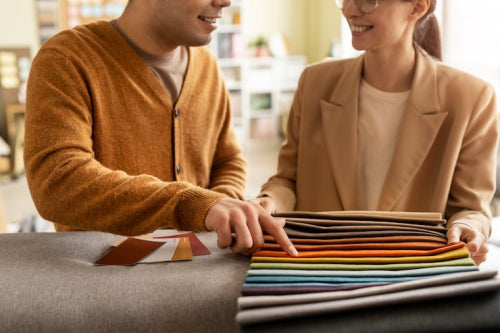
The global textile industry continues its robust expansion, reflecting both volume growth and evolving consumer priorities. Recent industry analyses indicate varied yet consistently upward trajectories: one projection estimates the market at USD 2,123.72 billion in 2025, rising from USD 2,281.51 billion in 2026 to approximately USD 4,016.50 billion by 2034, expanding at a compound annual growth rate of 7.35% from 2025 to 2034, propelled significantly by surging global demand for natural fibers. Another assessment values the sector at USD 1,007.90 billion in 2024, with growth from USD 1,065.45 billion in 2025 to USD 1,676.68 billion by 2032 at a 6.69% CAGR, driven in part by a clear consumer pivot toward organic cotton, recycled polyester, and biodegradable fabrics over conventional synthetics. A third forecast positions the market at roughly USD 1.16 billion in 2025, advancing to USD 1.61 billion by 2033 with a 4.2% CAGR from 2026 onward, fueled by fast fashion, urbanization, and rising disposable incomes in emerging economies.
Amid these large-scale figures, a more discerning conversation emerges among buyers of handmade Indian fashion and home décor. Shoppers increasingly look beyond fiber composition to scrutinize how threads interlace how the fabric is woven. This weave literacy proves especially valuable on curated online platforms such as indiehaat.com, which connects customers directly to artisans crafting unique designs exclusively in authentic, pure linen, silk, and cotton.
Fast fashion erodes cultural heritage, sidelining artisans and reducing traditions to trends. At IndieHaat, we champion India's craftspeople with handcrafted sarees, apparel, décor, and skincare rooted in authenticity. Each piece embodies skill and ethical care. Support artisans and preserve India's timeless legacy Shop Now!
Why Fabric Weaves Matter in Artisan E-Commerce
Online retail for handmade goods faces inherent challenges: prices appear elevated compared to mass-produced alternatives, trust builds slowly without witnessing the artisan's process, and the inability to touch the product creates hesitation. Knowledge of weaves cuts through these objections by revealing tangible quality differences that justify investment and foster confidence.
Indiehaat's commitment to handmade authenticity shines through its focus on natural fabrics linen delivering crisp structure and exceptional breathability, silk offering natural sheen and fluidity, cotton providing versatile comfort. Yet the weave itself determines performance. Plain weave, formed by a simple one-over-one-under alternation of warp and weft, produces a balanced, durable textile with superior airflow, making it ideal for everyday wear in humid or warm conditions. Twill weave, identified by its diagonal rib pattern from repeated offset interlacing (commonly two-over-one-under), imparts greater strength, wrinkle resistance, and subtle texture, suiting structured garments that endure frequent use. Satin weave, achieved by floating weft threads over multiple warps before a single tie-down, yields a lustrous, smooth face with excellent drape, though it requires careful handling due to lower snag resistance.
In India's rich handloom heritage, artisans employ these weaves thoughtfully plain for sturdy saris and kurtas built for daily life, twill for pieces needing resilience, satin highlights for borders that catch light and elevate occasion wear safeguarding techniques refined over generations.
Emerging Trends Educated Buyers Driving Weave Awareness
A “fabric-first” mindset now shapes purchasing. In India, initiatives supported by the Ministry of Textiles promote traceable, handwoven materials, dovetailing with worldwide sustainability momentum. Globally, interest intensifies in construction specifics for ethically produced items, as buyers favor slow fashion that prioritizes longevity over fleeting trends.
This evolution spans key markets. Discerning consumers in Singapore and the UAE tie weave understanding to genuine craftsmanship, particularly when selecting gifts. In the US, UK, and Australia, material transparency helps validate premium pricing for durable, meaningful possessions, offsetting perceptions that handmade equals overpriced.
The industry's broader momentum reinforces the trend: cotton remains a dominant raw material segment in multiple analyses, while natural fibers overall gain traction amid heightened environmental consciousness.
Real-World Applications How Weave Knowledge Impacts Buying Decisions
Practical benefits emerge when matching weave to context. In consistently warm climates such as India and Australia, plain-weave cotton thrives its open construction maximizes ventilation and comfort during extended wear. In cooler regions like the UK and US, twill-woven silk or cotton blends deliver improved insulation, shape retention, and wrinkle resistance, ideal for tailored apparel or layered outfits.
For humid, luxury-oriented settings in the UAE and Singapore, lightweight linen in plain constructions or silk satins excel in occasion pieces and high-end gifts, their graceful drape and refined surface lending effortless sophistication. The pattern extends to home décor: plain-weave cotton or linen throws withstand regular handling and washing, while satin elements introduce luxurious texture to cushions, runners, or bedding.
Such informed selections enhance longevity, comfort, and overall satisfaction directly mitigating return risks common in tactile-deficient online shopping.
Key Challenges in Communicating Fabric Weaves Online
Explaining weave intricacies to non-expert audiences remains difficult. Absent clear guidance, handloom pieces risk blending indistinguishably with factory outputs, intensifying skepticism around cost and provenance. The missing sensory experience amplifies doubt, particularly in markets like Singapore and the UAE where premium shoppers prize physical validation.
Effective platforms counter this through visuals macro shots revealing thread patterns paired with accessible explanations of functional advantages and narratives that spotlight artisan skill, transforming technical language into compelling, trust-building content.
Opportunities & Business Impact for Artisan Marketplaces
Weave education functions as a strategic asset. Detailed, honest descriptions lift conversion rates and curb returns by enabling buyers to appreciate why a handwoven linen kurta commands its price: unmatched breathability, singular texture derived from human touch, and direct economic support for skilled craftspeople.
Across regions, this approach strengthens positioning. In the US and UK, it bolsters premium appeal within sustainability-focused segments. In India, it resonates with deep-rooted appreciation for handloom legacies. In the UAE and Singapore, it elevates gifting narratives around exclusivity and cultural richness.
Why Weave Literacy Will Define the Next Phase of Handmade E-Commerce
With textile markets projected to keep expanding and buyers insisting on durability, ethics, and narrative depth, weave transparency is rapidly becoming table stakes. Insights from textile research bodies and international fashion authorities position it as indispensable for artisan marketplaces seeking to navigate trust gaps and perceived value challenges.
For shoppers, investing time in weave understanding yields wiser decisions and possessions that endure. For platforms like indiehaat, it solidifies a clear edge: moving beyond mere transactions to deliver centuries-honed Indian craftsmanship through meticulously pure cotton, silk, and linen. In a world hungry for authenticity and substance, this knowledge forms the vital thread linking distant buyer to dedicated artisan.
Frequently Asked Questions
What is the difference between plain weave, twill weave, and satin weave in fabrics?
Plain weave uses a simple one-over-one-under pattern that creates a balanced, durable fabric with excellent airflow, making it ideal for everyday wear in warm climates. Twill weave features a diagonal rib pattern (typically two-over-one-under) that provides greater strength, wrinkle resistance, and texture, perfect for structured garments. Satin weave floats weft threads over multiple warps before tying down, resulting in a lustrous, smooth surface with beautiful drape, though it requires more careful handling.
Why should I care about fabric weaves when buying handmade Indian textiles online?
Understanding fabric weaves helps you make informed decisions about quality, durability, and value when shopping for handmade items online. The weave determines practical performance—such as breathability, wrinkle resistance, and longevity—which justifies the investment in artisan-crafted pieces compared to mass-produced alternatives. Weave knowledge also builds trust in online purchases by revealing tangible quality differences, helping you select pieces that match your climate, lifestyle, and intended use.
Which fabric weave is best for hot and humid climates?
Plain-weave cotton or linen is ideal for hot and humid climates due to its open construction that maximizes ventilation and airflow. This simple one-over-one-under interlacing pattern creates superior breathability, keeping you comfortable during extended wear in warm conditions. In India, Australia, and similar climates, plain-weave fabrics are traditionally used for everyday sarees and kurtas because they provide exceptional comfort and cooling properties.
Disclaimer: The above helpful resources content contains personal opinions and experiences. The information provided is for general knowledge and does not constitute professional advice.
You may also be interested in: Buy Linen Saree Online: What to Know Before You Click – Indiehaat
Fast fashion erodes cultural heritage, sidelining artisans and reducing traditions to trends. At IndieHaat, we champion India's craftspeople with handcrafted sarees, apparel, décor, and skincare rooted in authenticity. Each piece embodies skill and ethical care. Support artisans and preserve India's timeless legacy Shop Now!
Powered by flareAI.co