
Tussar Silk: Balancing Tradition With Modern Wearability
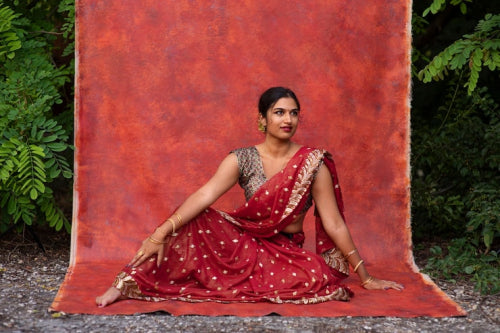
Tussar silk has long held a distinct place in India's textile heritage, valued for its natural sheen, breathable texture, and understated elegance. Unlike heavily processed fabrics, it carries an organic character that feels both grounded and refined, making it increasingly relevant for modern wardrobes that prioritize comfort as much as aesthetics. For today's fashion-conscious audience, especially those exploring what is tussar silk and how it fits into contemporary styling, this fabric offers a compelling balance between tradition and everyday wearability.
Fast fashion erodes cultural heritage, sidelining artisans and reducing traditions to trends. At IndieHaat, we champion India's craftspeople with handcrafted sarees, apparel, décor, and skincare rooted in authenticity. Each piece embodies skill and ethical care. Support artisans and preserve India's timeless legacy Shop Now!
What is Tussar Silk and Why It Matters Today
Tussar silk, often described as wild silk, is produced from silkworms that thrive in forest environments rather than controlled cultivation systems. This natural origin gives it a distinctive texture and a soft golden hue that sets it apart from more uniform silk varieties. Its appeal lies not only in its appearance but also in its versatility across fashion categories, from ethnic wear to fusion silhouettes.
As highlighted in its Tussar silk fabric characteristics and uses, Tussar silk stands out with its natural golden sheen, slightly coarse texture, and organic appearance derived from forest-based silkworms rather than mulberry cultivation. This unique production environment contributes to its breathable, lightweight nature, making it especially suitable for warm climates. It is also valued for its durability and low-processing requirements, which allow it to retain a handcrafted, premium feel across applications. Designers frequently use it in sarees, tunics, dresses, jackets, and fusion wear because it supports structure while remaining comfortable. Its compatibility with embroidery, digital prints, and blending techniques further expands its creative potential, positioning it as a bridge between heritage craftsmanship and modern, sustainable fashion preferences.
In an era where consumers are more conscious of material origin and craftsmanship, Tussar silk stands out as a fabric that naturally aligns with sustainability-oriented fashion choices without compromising on visual appeal.
Tussar Silk Fabric Characteristics That Define Its Appeal
One of the most defining aspects of Tussar silk is its texture. It has a slightly coarse yet refined surface that gives garments a handcrafted, artisanal finish. This tactile quality is not a flaw but a signature feature that distinguishes it from smoother silks.
According to documented insights on tussar silk fabric characteristics, the material is naturally breathable and lightweight, making it suitable for both structured and flowing designs. It adapts well to various treatments such as embroidery, digital prints, and surface embellishments, which expands its use in both traditional and modern fashion contexts.
Another important characteristic is its ability to maintain durability while remaining soft enough for extended wear. This balance makes it a preferred choice for garments that are intended to transition across occasions whether festive gatherings, semi-formal events, or everyday styling with a refined edge.
Heritage and Cultural Roots of Tussar Silk Sarees
The cultural depth of Tussar silk is most visible in its saree tradition. Known regionally as Kosa in certain weaving clusters, Tussar silk sarees are deeply connected to artisanal communities across parts of eastern India. These textiles often reflect regional craftsmanship, storytelling, and inherited weaving knowledge passed through generations.
As noted in Tussar silk sarees heritage and versatility, Tussar silk sarees bring together rich heritage from weaving clusters in Jharkhand, Chhattisgarh, West Bengal, and Bihar with versatile styling that fits seamlessly into modern wardrobes. These sarees are known for their coarse yet soft texture, matte finish, and earthy tones, making them suitable for both festive occasions and everyday elegance. They also carry strong socio-economic importance, supporting tribal communities and women artisans while preserving traditional handloom knowledge. Designs such as Bhagalpuri styles, Madhubani-inspired motifs, Kantha embroidery, and zari borders highlight the blend of cultural storytelling and aesthetic refinement. Their adaptability allows them to transition easily from traditional draping with ethnic jewelry to contemporary styling with jackets, belts, or fusion blouses, reflecting the evolving nature of sustainable and meaningful fashion.
Beyond aesthetics, these sarees also carry socio-economic significance. They support artisan livelihoods and help sustain weaving traditions that remain central to India's textile identity. This cultural grounding adds emotional value to the fabric, making it more than just a style choice it becomes a form of heritage preservation.
Tussar Silk Saree Modern Styling and Contemporary Wearability
While deeply rooted in tradition, Tussar silk has found a strong presence in modern fashion. One of the key reasons is its adaptability. It works seamlessly across styling approaches, from classic draping to experimental fusion looks.
Modern tussar silk saree modern styling often involves pairing the saree with structured blouses, minimal accessories, or even contemporary silhouettes like belts and jackets. This shift reflects a broader trend where traditional textiles are being reinterpreted for everyday wardrobes rather than limited ceremonial use.
The natural drape of Tussar silk allows it to be styled in multiple ways, making tussar silk draping styles particularly versatile. Whether worn in a traditional Bengali drape or a more minimalist contemporary wrap, the fabric retains its character without overwhelming the overall look.
For professionals and diaspora consumers seeking elegant yet practical ethnic wear, Tussar silk offers a bridge between cultural expression and modern convenience.
How to Style Tussar Silk Sarees for Modern Wear
Styling Tussar silk effectively requires a balance between texture and simplicity. Because the fabric already carries visual richness through its natural weave, styling often works best when kept intentional and restrained.
Lightweight silk saree styling ideas often include pairing Tussar silk with neutral-toned blouses, subtle jewelry, and contemporary footwear like block heels or minimalist sandals. This approach ensures the fabric remains the focal point while the overall look stays modern and wearable.
For those exploring how to style tussar silk saree for workwear or semi-formal settings, layering becomes an effective tool. A tailored blazer over a draped saree or a structured blouse can shift the outfit toward a more global aesthetic without losing its cultural essence.
Similarly, tussar silk outfits for modern wear extend beyond sarees. Tunics, co-ord sets, and dresses made from Tussar silk are increasingly popular among younger audiences who prefer breathable fabrics with a refined visual identity.
Sustainability and Everyday Practicality of Tussar Silk
One of the most compelling aspects of Tussar silk is its alignment with sustainable fashion values. Its production process is closely tied to natural cycles, and its appeal lies in minimal processing and organic texture rather than chemical-heavy refinement.
As detailed in eco-friendly production insights within Tussar silk fabric characteristics and uses, the fabric supports environmentally conscious practices while maintaining strong durability and aesthetic value. This makes it relevant for consumers who are actively seeking responsible alternatives in luxury and everyday fashion, while still benefiting from its natural strength, breathability, and adaptability across modern wardrobe categories.
Additionally, Tussar silk's association with artisan communities adds another layer of ethical significance. Its production supports traditional weaving clusters, helping sustain livelihoods and preserve regional craft ecosystems that are often vulnerable in industrialized textile markets.
Choosing and Caring for Tussar Silk Garments
When selecting Tussar silk garments, texture consistency, weave quality, and design intent should guide the decision. Because the fabric naturally varies in texture, slight irregularities are often signs of authenticity rather than defects.
Care practices also play an important role in maintaining its longevity. Dry cleaning is generally recommended, and proper storage helps preserve both color and structure. These practices ensure that garments remain wearable over time without losing their natural sheen and form.
For buyers exploring types of silk sarees in India, Tussar silk represents a middle ground between highly glossy silks and more rustic handlooms, offering versatility that suits both festive and everyday wardrobes.
Where Tradition Meets Modern Expression
Tussar silk continues to evolve as a fabric that respects tradition while adapting seamlessly to contemporary fashion needs. Its natural texture, breathable quality, and cultural depth make it uniquely positioned in today's style landscape, where authenticity and versatility are equally valued.
From heritage sarees to modern fusion outfits, its adaptability ensures it remains relevant across generations. For those seeking a fabric that tells a story while fitting effortlessly into modern life, Tussar silk offers a thoughtful balance of heritage, comfort, and understated sophistication.
Frequently Asked Questions
What is Tussar silk and what makes it different from other types of silk?
Tussar silk, also known as wild silk, is produced by silkworms that thrive in forest environments rather than controlled mulberry cultivation, giving it a distinctive natural golden hue and a slightly coarse yet refined texture. Unlike smoother, more uniform silk varieties, its organic origin results in a breathable, lightweight fabric with a handcrafted, artisanal finish. It is valued for its durability, low processing requirements, and compatibility with embroidery, digital prints, and blending techniques, making it a versatile choice across both traditional and modern fashion.
How can I style a Tussar silk saree for modern or everyday wear?
Tussar silk sarees can be styled for contemporary settings by pairing them with neutral-toned or structured blouses, minimal accessories, and modern footwear like block heels or minimalist sandals. For workwear or semi-formal occasions, layering with a tailored blazer or a structured blouse shifts the look toward a global aesthetic while preserving its cultural essence. The fabric's natural drape supports multiple draping styles from traditional Bengali wraps to minimalist modern silhouettes making it highly adaptable across occasions.
Is Tussar silk a sustainable fabric choice?
Yes, Tussar silk is considered one of the more eco-friendly silk options because its production is rooted in natural forest cycles and requires minimal chemical processing compared to many commercially produced fabrics. Its organic texture and durability mean garments last longer, reducing the need for frequent replacement. Beyond environmental benefits, buying Tussar silk also supports artisan weaving communities across regions like Jharkhand, Bihar, and West Bengal, making it an ethically conscious choice that sustains traditional livelihoods and regional craft ecosystems.
Disclaimer: The above helpful resources content contains personal opinions and experiences. The information provided is for general knowledge and does not constitute professional advice.
You may also be interested in: Evaluating the Longevity and Wearability of Linen Sarees
Fast fashion erodes cultural heritage, sidelining artisans and reducing traditions to trends. At IndieHaat, we champion India's craftspeople with handcrafted sarees, apparel, décor, and skincare rooted in authenticity. Each piece embodies skill and ethical care. Support artisans and preserve India's timeless legacy Shop Now!
Powered by flareAI.co