The Revival of Lesser-Known Handloom Traditions Across India
Quick Listen:
In the bustling lanes of rural Odisha and the serene villages of Andhra Pradesh, centuries-old looms click rhythmically once more. India's lesser-known handloom traditions, long overshadowed by power looms and fast fashion, are experiencing a quiet but powerful resurgence. From intricate Sambalpuri weaves to the geometric elegance of Pochampally ikat, artisans and entrepreneurs are breathing fresh life into these heritage crafts, connecting them with appreciative buyers both at home and abroad.
This revival is not merely about preserving the past; it represents a vibrant fusion of cultural pride, sustainable practices, and economic opportunity for thousands of weaving communities across India.
Fast fashion erodes cultural heritage, sidelining artisans and reducing traditions to trends. At IndieHaat, we champion India's craftspeople with handcrafted sarees, apparel, décor, and skincare rooted in authenticity. Each piece embodies skill and ethical care. Support artisans and preserve India's timeless legacy Shop Now!
The Rich Tapestry of India's Handloom Heritage
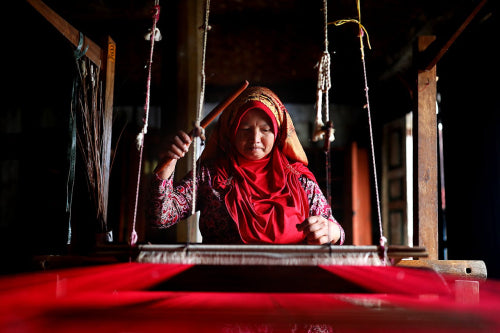
India's handloom sector tells stories woven into every thread narratives of regional identity, skill passed through generations, and harmony with nature. Unlike mechanised production, handloom fabrics carry the unique imprint of human touch: slight variations in texture, natural dyes derived from plants, and designs that reflect local folklore and landscapes.
Lesser-known traditions such as Sambalpuri from Odisha, with its distinctive ikat patterns depicting motifs from nature and mythology, and Pochampally ikat from Andhra Pradesh, renowned for its bold geometric and floral designs, have historically thrived in specific clusters. These weaves were once central to local economies and festive wardrobes, especially during occasions like Diwali and weddings, but faced decline due to urban migration and cheaper alternatives.
Global Interest Fueling Local Revival
Today, discerning consumers worldwide are turning towards authentic, sustainable textiles. Buyers in the United States, United Kingdom, Singapore, UAE, and Australia seek out Indian handlooms for their story, quality, and low environmental footprint. This demand has encouraged artisans to innovate while staying true to tradition creating everything from sarees and stoles to home furnishings that blend heritage with contemporary aesthetics.
Platforms like IndieHaat play a pivotal role here, bridging the gap between remote artisan clusters and global as well as domestic marketplaces. By showcasing verified, handcrafted pieces directly from weavers, such initiatives help preserve techniques that might otherwise fade away while offering meaningful choices to conscious buyers.
Emerging Trends Shaping the Handloom Landscape
Several encouraging developments are driving this resurgence. E-commerce has democratised access, allowing buyers across India and overseas to discover regional specialties they might never have encountered in physical stores. International collaborations are on the rise, with designers in Singapore and the UAE featuring Indian weaves in fashion shows and pop-up events, while Australian labels incorporate them into sustainable collections.
Government schemes from the Ministry of Textiles have provided much-needed support through skill development programmes, cluster development, and marketing assistance. These efforts help weavers access better raw materials, training, and fair-trade opportunities, strengthening entire communities.
Another significant shift is the growing preference for ethical and slow fashion. Consumers in India are increasingly willing to invest in pieces that support livelihoods and reduce waste, moving away from disposable trends towards timeless, story-rich textiles.
Real Stories from the Loom: Case Studies of Resilience
In Odisha's Sambalpuri clusters, local cooperatives and NGOs have helped revive traditional motifs and natural dyeing processes. Many weavers now earn steadier incomes by producing not only sarees but also cushion covers, table runners, and apparel tailored for modern Indian homes.
Pochampally ikat in Andhra Pradesh has gained fresh recognition, with its village even earning international acclaim as a tourism destination. Artisans here report improved livelihoods as demand grows for their distinctive silk and cotton fabrics, often used in luxury and fusion wear that appeals to both traditional and modern sensibilities.
Overseas, boutique retailers in the US and UK curate exclusive collections of Indian handlooms, while collaborations in Singapore and the UAE introduce these textiles to new audiences through experiential events. In Australia, forward-thinking designers blend them into eco-friendly fashion lines, creating beautiful cross-cultural dialogues.
One often-heard anecdote involves weaver families who, after years of uncertainty, now send their children to school and invest in better looms thanks to consistent orders from both domestic and international buyers. These personal successes highlight the transformative power of renewed appreciation for handloom crafts.
Navigating Persistent Challenges
Despite the positive momentum, significant hurdles remain. Younger generations often migrate to cities for more predictable employment, leading to skill gaps that threaten the continuity of these traditions. Handloom production, by its very nature, involves higher costs and lower volumes compared to power looms, making scalability a constant consideration.
Competition from mass-produced textiles both Indian and imported continues to pressure pricing. Additionally, many exquisite regional crafts still suffer from limited awareness outside their immediate geography, requiring thoughtful storytelling and strategic marketing to reach appreciative audiences in metros like Mumbai, Delhi, and Bengaluru.
Opportunities for Artisans, Businesses, and Buyers Alike
The path forward lies in smart positioning. Handloom products excel when presented as premium, sustainable choices in both international and Indian markets. Digital platforms enable direct connections between artisans and consumers, cutting out unnecessary intermediaries and ensuring better returns for makers.
Innovation plays a key role too contemporary designers experiment with hybrid techniques, blending traditional weaves with modern silhouettes or easy-care finishes without compromising authenticity. This approach expands appeal while honouring heritage, making handlooms relevant for everyday use as well as special occasions.
For businesses like IndieHaat, the focus remains on curation, transparency, and community impact. By highlighting the human stories behind each piece, they help consumers make more meaningful purchases that support rural economies.
Cushioning Homes with Heritage: A Growing Niche
Handloom fabrics find beautiful expression in home décor. Cushion covers made from regional weaves add warmth, texture, and cultural depth to living spaces. The broader cushion and decorative textiles segment reflects strong consumer interest in comfort combined with aesthetics, with brands increasingly turning to artisanal sources for meaningful differentiation.
These products serve as accessible entry points for consumers wanting to support handloom traditions without committing to larger garments. A beautifully crafted Sambalpuri or Pochampally cushion cover can instantly elevate a living room while telling a story of skilled hands and preserved legacy.
Why This Revival Matters Now
Beyond economics, the resurgence of lesser-known handlooms strengthens cultural identity and promotes sustainable living. Each purchase supports rural economies, preserves invaluable skills, and reduces reliance on resource-intensive fast fashion. In a country as diverse as India, these regional weaves also foster greater appreciation for the nation's pluralistic heritage.
As global and domestic awareness grows, the opportunity exists to scale this impact responsibly through continued investment in artisan welfare, design education, and robust market linkages. The revival encourages a more conscious approach to consumption, where beauty and ethics go hand in hand.
The looms of India are singing again. Their melodies carry forward not just patterns from the past, but hope for a more equitable and beautiful future. Whether through a Sambalpuri-inspired cushion in your Mumbai apartment or a Pochampally stole draped elegantly for a family gathering, these threads connect us all to a richer, more conscious way of living.
In supporting India's handloom revival, we do more than acquire beautiful objects we participate in a living heritage that continues to evolve and inspire generations to come.
Frequently Asked Questions
What are some lesser-known handloom traditions in India that are being revived?
Among the most notable lesser-known handloom traditions experiencing a revival are Sambalpuri ikat from Odisha, known for its nature and mythology-inspired motifs, and Pochampally ikat from Andhra Pradesh, celebrated for its bold geometric and floral designs. These regional weaves were once central to local economies and festive occasions but had declined due to urban migration and competition from cheaper alternatives. Today, cooperatives, NGOs, government schemes, and platforms like IndieHaat are helping restore these traditions by connecting artisans with both domestic and global markets.
Why are Indian handloom fabrics gaining popularity among global buyers?
Indian handloom fabrics are attracting discerning buyers worldwide particularly in the US, UK, Singapore, UAE, and Australia because of their authenticity, sustainability, and cultural storytelling. Unlike mass-produced textiles, handloom pieces carry the unique imprint of human craftsmanship, including natural dyes, slight textural variations, and designs rooted in regional folklore. The global shift toward ethical and slow fashion has made these heritage weaves an appealing alternative to disposable fast fashion trends.
How can consumers support the revival of India's handloom traditions?
Consumers can support India's handloom revival by choosing to purchase verified, handcrafted products directly from artisan-focused platforms that ensure fair trade and transparency. Even accessible items like cushion covers or stoles made from Sambalpuri or Pochampally weaves serve as meaningful entry points that directly benefit weaving communities. By prioritising handloom products over mass-produced alternatives, buyers help preserve endangered skills, sustain rural livelihoods, and contribute to a more conscious, culturally rich approach to consumption.
Disclaimer: The above helpful resources content contains personal opinions and experiences. The information provided is for general knowledge and does not constitute professional advice.
You may also be interested in: The Perfect Fabric for Every Occasion: A Guide to Women's Clothing Fabrics
Fast fashion erodes cultural heritage, sidelining artisans and reducing traditions to trends. At IndieHaat, we champion India's craftspeople with handcrafted sarees, apparel, décor, and skincare rooted in authenticity. Each piece embodies skill and ethical care. Support artisans and preserve India's timeless legacy Shop Now!
Powered by flareAI.co