
The Journey of a Handcrafted Saree From Artisan to Wardrobe
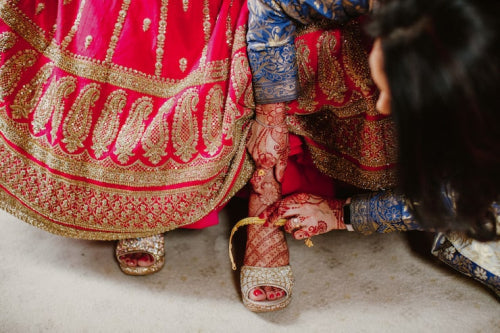
A handcrafted saree carries a story that begins long before it reaches a wardrobe. Its journey is shaped by the knowledge of artisans, the preparation of materials, the patience required to create detailed designs, and the connection between traditional skills and modern consumers. Understanding the journey of a handcrafted saree reveals why these garments represent more than clothing. They preserve cultural memory, reflect individual craftsmanship, and connect generations of makers with people who value meaningful fashion choices.
The process behind a handmade saree is a combination of creativity, technical skill, and careful attention to detail. Unlike mass-produced garments that focus primarily on efficiency and scale, handcrafted textiles often carry the identity of the person and community that created them. Every decision, from selecting materials to developing patterns, contributes to the final character of the saree.
For consumers exploring Indian textiles, learning how handcrafted sarees are made offers a deeper appreciation of the work behind each piece. The finished garment represents not only a design choice but also a relationship between traditional craft practices and evolving preferences for authentic, responsible fashion.
Fast fashion erodes cultural heritage, sidelining artisans and reducing traditions to trends. At IndieHaat, we champion India's craftspeople with handcrafted sarees, apparel, décor, and skincare rooted in authenticity. Each piece embodies skill and ethical care. Support artisans and preserve India's timeless legacy Shop Now !
Where the Story Begins: the Artisan Behind the Saree
The first chapter in the story behind artisan made sarees in India begins with the craftspeople who dedicate their expertise to textile creation. Artisans bring together inherited knowledge, technical understanding, and creative expression to transform raw materials into finished textiles.
Craft communities often develop specialised skills over generations. These skills may include understanding fabric behaviour, creating intricate patterns, managing weaving techniques, and maintaining consistency throughout a lengthy production process. The artisan's role is not limited to making a product; it involves protecting a form of cultural knowledge that has evolved over time.
A handcrafted saree also reflects the relationship between the maker and the material. Decisions about texture, colour combinations, motifs, and finishing techniques require experience that cannot be replicated simply through automated production. This human involvement is what gives handmade textiles their distinctive character.
From Raw Materials to Textile Creation
The handloom saree making process involves multiple stages that require precision and patience. Before a saree becomes a finished garment, materials must be prepared, designs must be planned, and the weaving process must be carefully executed.
Preparing the Foundation of the Fabric
The journey starts with preparing the fibres and yarn that form the foundation of the textile. The quality and characteristics of these materials influence the texture, appearance, and overall feel of the saree.
Artisans work with an understanding of how different materials respond during production. This knowledge helps them create textiles that balance beauty, durability, and comfort. The preparation stage may appear invisible once the saree is complete, but it plays an essential role in shaping the final product.
Transforming Threads Into Patterns
Weaving brings together technical ability and artistic vision. The artisan carefully works with the loom, managing the arrangement of threads to create the desired structure and design. Traditional techniques often require significant concentration because small variations can influence the final appearance of the fabric.
The patterns and details found in handcrafted sarees frequently carry connections to regional traditions, artistic influences, and historical practices. These elements help each textile communicate a story that extends beyond fashion.
The Role of Craft Communities in Preserving Textile Heritage
The story behind handmade sarees is also the story of the communities that sustain textile traditions. Craft knowledge depends on networks of artisans, suppliers, designers, and organisations that support the continuation of these skills.
Preserving traditional weaving requires more than appreciating the finished garment. It also involves creating opportunities for artisans to continue their work, access resources, improve market connections, and adapt to changing consumer expectations. The wider ecosystem surrounding handcrafted textiles plays an important role in ensuring that traditional skills remain relevant.
Government support systems for handloom communities have focused on strengthening artisan livelihoods, improving production opportunities, and creating better connections between makers and buyers. These efforts are described through support for textile artisans, highlighting the importance of building stronger connections across the handcrafted textile ecosystem.
For consumers, recognising this wider ecosystem changes how they view a saree. Instead of seeing only the final garment, they begin to understand the people, skills, and processes that make the piece possible.
How a Handcrafted Saree Reaches the Modern Wardrobe
The journey from artisan to wardrobe continues after the weaving process is complete. Finished sarees must find their way to people who appreciate craftsmanship and understand the value of handmade creations.
Modern consumers increasingly look beyond appearance when choosing clothing. They want to understand the origin of what they wear, the effort involved in creating it, and the values represented by their purchase decisions. A handcrafted saree responds to this interest by offering a connection between the wearer and the maker.
Curated platforms and thoughtful marketplaces can help bridge the gap between traditional artisans and contemporary audiences. By presenting handcrafted products with context and care, these platforms help consumers discover the stories behind textiles rather than viewing them as anonymous items.
The journey from artisan to wardrobe is therefore not only a supply chain process. It is a cultural exchange where craftsmanship meets personal style, allowing traditional textiles to become part of modern lifestyles.
Why Handmade Sarees Matter in Sustainable Fashion
Sustainable Indian fashion is often connected to the idea of making more thoughtful choices about clothing. Handcrafted textiles encourage consumers to consider quality, longevity, and the human effort involved in production.
A handmade saree represents a different approach to fashion consumption. Instead of focusing only on trends and replacement cycles, it encourages appreciation for craftsmanship and the stories attached to individual pieces. This perspective allows clothing to become something that carries personal meaning over time.
The appeal of handcrafted fashion also comes from transparency. Consumers who understand the story behind a saree can make choices based on more than visual design. They can appreciate the traditions, skills, and communities involved in creating the garment.
The Future of Handcrafted Sarees: Connecting Heritage with New Audiences
Traditional textiles continue to evolve as artisans and consumers find new ways to connect. Preserving craft does not mean keeping it unchanged; it means allowing traditional knowledge to adapt while maintaining its core identity.
Digital platforms, improved access to markets, and changing consumer interests create new opportunities for handcrafted textiles. Artisans can reach audiences beyond their immediate communities, while consumers can discover the stories and techniques behind garments they may not have encountered before.
Support for handloom communities also demonstrates how maintaining craft traditions requires collaboration between artisans, market networks, and consumers. Initiatives that improve resources, design opportunities, and buyer connections help strengthen the relationship between creators and customers. The role of government handloom initiatives reflects the broader importance of supporting the systems that help traditional textile practices continue.
For anyone interested in the journey of a handcrafted saree, the most important lesson is that every garment represents many layers of effort. The fabric carries the skill of the artisan, the history of textile traditions, and the choices of the person who brings it into their wardrobe.
More Than a Garment, a Story Woven Through Time
A handcrafted saree is a connection between people, places, skills, and generations. From the artisan who creates the first thread arrangement to the wearer who gives the finished piece a place in everyday life, every stage contributes to its meaning. Understanding how handcrafted sarees are made allows consumers to see fashion as a story of creativity, heritage, and human connection. When a saree moves from artisan to wardrobe, it carries with it not only craftsmanship but also the enduring value of traditions kept alive through thoughtful creation.
Frequently Asked Questions
How are handcrafted sarees made from artisan to wardrobe?
The journey of a handcrafted saree involves multiple stages, including preparing materials, developing designs, weaving the fabric, and bringing the finished piece to consumers. Each stage reflects the artisan's skill, traditional knowledge, and attention to detail.
What makes artisan made sarees in India unique?
Artisan made sarees in India are unique because they combine traditional textile techniques, cultural heritage, and the personal craftsmanship of skilled makers. The patterns, textures, and methods used often reflect the communities and traditions behind each creation.
Why are handcrafted sarees considered part of sustainable Indian fashion?
Handcrafted sarees support a more thoughtful approach to fashion by encouraging appreciation for quality, craftsmanship, and the people involved in production. They allow consumers to understand the story behind their clothing and value garments that carry cultural and personal meaning.
Disclaimer: The above helpful resources content contains personal opinions and experiences. The information provided is for general knowledge and does not constitute professional advice.
You may also be interested in: Beyond Trends: Timeless Ethnic Wear for Global Audiences
Fast fashion erodes cultural heritage, sidelining artisans and reducing traditions to trends. At IndieHaat, we champion India's craftspeople with handcrafted sarees, apparel, décor, and skincare rooted in authenticity. Each piece embodies skill and ethical care. Support artisans and preserve India's timeless legacy Shop Now !
Powered by flareAI.co