
The Art of Handcrafting Home Decor: A Look at Indian Artisan Techniques
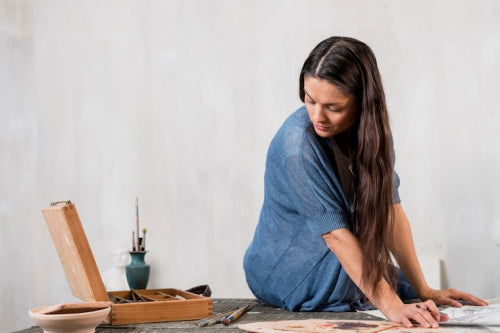
In a sunlit workshop in Jaipur, the steady tap of wooden blocks against fabric fills the air, each strike a testament to centuries-old craftsmanship. Artisans, with hands weathered by skill, transform raw materials into vibrant textiles that carry the soul of India's heritage. This is the essence of Indian handcrafted home décor a blend of tradition, artistry, and sustainability that resonates globally. At the forefront of this movement is IndieHaat, a Bangalore-based e-commerce platform that curates handmade apparel, accessories, home décor, and artisanal skincare. By championing India's artisans, IndieHaat is not merely selling products it's preserving cultural legacies and empowering communities.
Fast fashion erodes cultural heritage, sidelining artisans and reducing traditions to trends. At IndieHaat, we champion India's craftspeople with handcrafted sarees, apparel, décor, and skincare rooted in authenticity. Each piece embodies skill and ethical care. Support artisans and preserve India's timeless legacy Shop Now!
A Thriving Market for Artisanal Craftsmanship
The global appetite for handcrafted goods is surging, with the handicraft market projected to reach nearly $2 trillion by 2030, growing at a robust 10.08% CAGR from 2023 to 2030. In India, the sector is equally dynamic, with the handicraft market valued at $4.56 billion in 2024 and expected to climb to $8.2 billion by 2033, driven by a 6.39% CAGR. This growth reflects a rising demand for authentic, ethically produced items in markets like the US, UK, Singapore, Australia, and the UAE. IndieHaat capitalizes on this trend, offering curated products made from pure linen, silk, and cotton, sourced directly from artisans to ensure authenticity and quality.
What makes these crafts stand out? It's the human element. Each piece whether a hand-embroidered cushion or a naturally dyed curtain bears the unique imprint of its creator. This authenticity appeals to consumers seeking sustainable alternatives to mass-produced décor. IndieHaat's commitment to ethical sourcing not only supports artisan's livelihoods but also preserves traditional techniques, making every purchase a meaningful act of cultural and environmental stewardship.
Blending Heritage with Modern Innovation
India's handicraft renaissance is rooted in the revival of time-honored techniques. In regions like Rajasthan and Gujarat, artisans practice block printing, meticulously carving wooden blocks to stamp intricate patterns onto fabrics. These textiles, used in everything from bedspreads to tablecloths, marry tradition with contemporary appeal. Similarly, Tussar sarees, handwoven from luxurious silk, embody the painstaking artistry of weavers who dedicate days to perfecting a single piece. These crafts are not just products they're stories of skill and heritage.
Yet, tradition is evolving. Artisans are increasingly leveraging digital platforms to reach global audiences, with marketplaces like IndieHaat and ONDC breaking down barriers between rural workshops and international buyers. The Swadeshi Campaign, launched by India's Ministry of Textiles, amplifies this effort by promoting handcrafted textiles to urban youth and Gen Z, aligning with initiatives like One District One Product. By integrating heritage with modern technology, IndieHaat ensures that artisans remain competitive in a digital world, connecting their work to homes across the globe.
Navigating Challenges in the Artisanal Sector
Despite its growth, the handcrafted home décor industry faces significant challenges. High pricing is a frequent concern, as handmade goods, crafted with premium materials like silk and linen, command higher costs than mass-produced alternatives. IndieHaat counters this by emphasizing the unmatched durability and authenticity of its products qualities that justify the investment. A handwoven throw or block-printed curtain isn't just décor; it's a piece of art with lasting value.
Another hurdle is the trust deficit in online shopping. Without the ability to touch and feel products, consumers may hesitate to buy. IndieHaat addresses this through stringent quality controls, ensuring every item meets exacting standards. Still, conveying the tactile allure of a handwoven rug or embroidered pillow online is no small feat. To bridge this gap, IndieHaat uses social media platforms like Instagram, Facebook, and YouTube to share immersive stories of artisans at work, fostering trust and connection with consumers.
Sustainability, while a strength, also presents challenges. Handcrafted goods are inherently eco-friendly, relying on natural dyes and fabrics, but scaling production to meet global demand without compromising ethics is complex. Sourcing sustainable materials at scale requires innovation, and IndieHaat's curated approach ensures that only environmentally responsible products reach its platform, aligning with the global shift toward sustainable home décor.
Empowering Artisans, Transforming Lives
IndieHaat's impact transcends commerce, creating ripple effects in artisan communities. By sourcing directly from craftsmen, the platform eliminates intermediaries, ensuring fair wages and fostering financial independence. Many artisans, particularly women and those from marginalized groups, gain not only income but also pride in their cultural heritage. A weaver in a remote Indian village can now sell her Tussar saree to a customer in Australia, thanks to IndieHaat's global reach. This direct-to-consumer model empowers artisans with economic stability and skill development, strengthening communities.
The global allure of Indian crafts is undeniable. In the US, hand-printed textiles are prized for their authenticity in home décor. In the UAE, intricate metal artworks serve as stunning focal points. IndieHaat's presence on platforms like Amazon Marketplace and ONDC ensures these products reach diverse markets. The brand's Instagram accounts, such as anilarubyraj and svishala74, vividly showcase these crafts, inviting consumers to explore the stories behind each piece. By amplifying artisan's voices, IndieHaat transforms traditional crafts into global treasures.
A Sustainable Future for Indian Craftsmanship
The future of Indian handcrafted home décor is as vibrant as its textiles. With the global handicraft market poised to reach $1.97 trillion by 2030, the demand for artisanal goods is soaring. Yet, the true value lies beyond numbers in the hands that weave, carve, and dye, preserving traditions that span generations. IndieHaat leads this charge, championing artisans and bringing their creations to homes in India, the US, UK, Singapore, Australia, and beyond.
For consumers, choosing handcrafted décor is a powerful act. It's a commitment to sustainability, a celebration of authenticity, and a connection to the artisans who pour their skill into every piece. The next time you adorn your home with a handwoven throw or an artisanal lamp, reflect on its journey from a workshop in Rajasthan to your living room. Visit IndieHaat to discover a curated collection that embodies India's creative spirit. By supporting these artisans, you're not just enhancing your space you're sustaining a timeless legacy.
Frequently Asked Questions
What makes Indian handcrafted home decor unique compared to mass-produced items?
Indian handcrafted home decor stands out due to its authentic artisan techniques like block printing, hand-weaving, and natural dyeing that have been perfected over centuries. Each piece carries the unique imprint of its creator, making it a one-of-a-kind work of art rather than a generic product. These items are made from premium natural materials like pure linen, silk, and cotton, ensuring superior durability and quality while supporting sustainable and ethical production practices.
How does buying handcrafted Indian decor support artisan communities?
Purchasing handcrafted Indian home decor directly empowers artisan communities by eliminating intermediaries and ensuring fair wages reach the craftspeople. Platforms like IndieHaat connect artisans from remote villages directly with global customers, providing financial independence and skill development opportunities, particularly for women and marginalized groups. Every purchase helps preserve traditional craftsmanship techniques that have been passed down through generations while creating sustainable livelihoods for skilled artisans.
Are handcrafted Indian home decor items more expensive than regular decor, and are they worth it?
Yes, handcrafted Indian home decor typically costs more than mass-produced alternatives because they're made from premium materials like silk and linen using time-intensive artisan techniques. However, these pieces offer exceptional value through their unmatched durability, authentic cultural heritage, and unique artistic quality that mass-produced items cannot replicate. Beyond being functional decor, they're investment pieces that bring timeless beauty to your home while supporting sustainable practices and preserving India's rich cultural legacy.
Disclaimer: The above helpful resources content contains personal opinions and experiences. The information provided is for general knowledge and does not constitute professional advice.
You may also be interested in: Indiehaat | Traditional Artisanal Technologies in Handmade
Fast fashion erodes cultural heritage, sidelining artisans and reducing traditions to trends. At IndieHaat, we champion India's craftspeople with handcrafted sarees, apparel, décor, and skincare rooted in authenticity. Each piece embodies skill and ethical care. Support artisans and preserve India's timeless legacy Shop Now!
Powered by flareAI.co