
Celebrating Indias Craftsmanship: The Cultural Significance of Handwoven Textiles
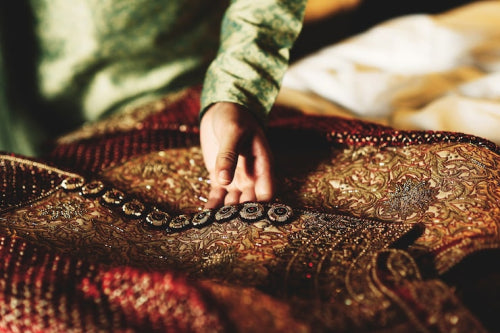
In the quiet villages of Varanasi, the rhythmic clack of wooden looms still echoes through narrow lanes, producing silks that shimmer like captured sunlight. These are not relics of a bygone era but living threads of India's soul handwoven textiles that have draped emperors, graced festivals, and now find their way into wardrobes across the globe.
Fast fashion erodes cultural heritage, sidelining artisans and reducing traditions to trends. At IndieHaat, we champion India's craftspeople with handcrafted sarees, apparel, décor, and skincare rooted in authenticity. Each piece embodies skill and ethical care. Support artisans and preserve India's timeless legacy Shop Now!
Celebrating India's Craftsmanship: Exploring the Timeless Tradition of Handwoven Textiles
India's textile heritage runs deep, woven into the fabric of its culture for millennia. From the intricate Banarasi brocades of the north to the vibrant ikats of the south and the resilient khadi that once symbolized independence, handwoven fabrics embody regional identities, rituals, and resilience. Today, as the world turns toward authenticity and sustainability, these textiles are experiencing a profound renaissance, bridging ancient craft with modern desires.
The handloom sector remains a cornerstone of rural India, employing about 3.5 million workers according to the latest census data, with women making up over 70% of the workforce. It's a tradition passed down through generations, yet one that's adapting to contemporary rhythms.
A Renaissance in Threads: Revival and Rising Demand
In recent years, handwoven textiles have surged back into prominence. Techniques like khadi spinning, ikat dyeing, and block printing once overshadowed by industrial production are being revived with fresh energy. This resurgence aligns with a broader shift toward ethical fashion, where consumers seek pieces with stories, not just labels.
The broader Indian textile and apparel market, valued at over $222.8 billion in 2024, is projected to grow significantly in the coming years, driven in part by demand for artisanal and sustainable options. Exports of textiles and apparel, including handicrafts, reached $358.2 billion in 2024, marking a 5% increase and underscoring global appetite for India's crafted goods. Markets in the US, UK, UAE, and Singapore are particularly drawn to these authentic creations.
Sustainability plays a starring role here. Handloom production is inherently low-impact using minimal energy, natural dyes, and local materials making it a natural fit for eco-conscious buyers weary of fast fashion's environmental toll.
From Runways to Everyday Wardrobes: Real-World Impact
Contemporary designers have been instrumental in this revival. Anita Dongre, through her Grassroot line, collaborates with artisans to create modern silhouettes from handwoven fabrics, often highlighting gota patti embroidery and heritage weaves. Sabyasachi Mukherjee elevates Banarasi silks and brocades into opulent couture, blending tradition with global appeal on international stages.
These efforts extend beyond aesthetics. Cooperatives and government initiatives support artisan communities, providing training and market access. The result? Empowered villages where weaving sustains families and preserves skills.
On the world stage, Indian handwovens grace Paris runways and luxury boutiques, earning recognition for their intricate detail and cultural depth. Diaspora communities and discerning buyers abroad cherish them as tangible links to heritage.
The Loom's Shadows: Persistent Challenges
Yet the path isn't without hurdles. Preserving labor-intensive techniques amid rapid modernization remains tough. Many young people opt for urban jobs, drawn by steadier incomes, threatening the continuity of these crafts.
Artisans often grapple with low wages, limited market reach, and fierce competition from cheaper machine-made alternatives. Rising raw material costs and infrastructure gaps in rural areas compound these pressures, making it hard to compete on price alone.
Weaving New Opportunities: Innovation and Connection
Amid these challenges, bright possibilities emerge. E-commerce platforms are transforming access, allowing artisans to sell directly to global customers. Sites like IndieHaat connect weavers and craftsmen straight to buyers, bypassing middlemen and ensuring fairer returns while showcasing authentic sarees, apparel, and decor made from pure cotton, linen, and silk.
Collaborations between designers and tech innovators are boosting efficiency think digital tools for pattern design or sustainable dyeing methods. As preferences shift toward genuine, handcrafted items, demand in overseas markets continues to climb.
A Fabric That Endures
India's handwoven textiles are more than cloth; they're a testament to endurance, creativity, and community. In an age of disposability, they remind us of the value in slowness the patience of hands at a loom, the stories in every thread.
As we look ahead, sustaining this legacy demands collective effort: supporting artisans through mindful purchases, fostering innovation, and spreading awareness. With continued revival, these timeless traditions won't just survive they'll thrive, draping the world in India's enduring craftsmanship.
Frequently Asked Questions
Why are handwoven textiles important to India's cultural heritage?
Handwoven textiles are deeply woven into India's cultural identity, representing regional traditions, rituals, and historical movements like the independence struggle through khadi. These fabrics embody centuries-old craftsmanship passed down through generations, from Banarasi brocades to vibrant ikats, serving as tangible expressions of India's diverse communities and their artistic legacy. Beyond being mere cloth, they preserve stories, skills, and the soul of India's artisan communities across rural villages.
What challenges do Indian handloom artisans face today?
Indian handloom artisans struggle with low wages, limited market access, and intense competition from cheaper machine-made textiles. Many young people are leaving the craft for urban jobs with steadier incomes, threatening the continuity of these traditional skills. Rising raw material costs, infrastructure gaps in rural areas, and the labor-intensive nature of handweaving make it difficult for artisans to compete on price alone in today's fast-paced market.
How can consumers support India's handwoven textile tradition?
Consumers can support handloom artisans by making mindful purchases from platforms like IndieHaat that connect weavers directly to buyers, ensuring fairer returns by bypassing middlemen. Choosing authentic handwoven sarees, apparel, and décor made from natural materials over fast fashion helps sustain the livelihoods of approximately 3.5 million handloom workers, 70% of whom are women. This conscious buying not only preserves India's textile heritage but also promotes sustainable, low-impact fashion aligned with eco-conscious values.
Disclaimer: The above helpful resources content contains personal opinions and experiences. The information provided is for general knowledge and does not constitute professional advice.
You may also be interested in: Celebrating Indian Crafts Through Regional Festivals – Indiehaat.com
Fast fashion erodes cultural heritage, sidelining artisans and reducing traditions to trends. At IndieHaat, we champion India's craftspeople with handcrafted sarees, apparel, décor, and skincare rooted in authenticity. Each piece embodies skill and ethical care. Support artisans and preserve India's timeless legacy Shop Now!
Powered by flareAI.co