
Sustainable Fashion Gains Popularity Among Indias Urban Professionals
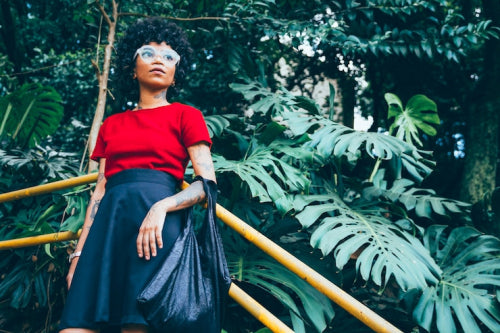
In Mumbai's vibrant streets, where ambition intertwines with tradition, a transformative shift is underway. India's urban professionals young, purposeful, and increasingly attuned to environmental concerns are redefining fashion. They're turning away from the ephemeral allure of fast fashion, opting instead for clothing that carries a deeper narrative: of skilled artisans, organic materials, and a commitment to preserving the planet. This isn't a passing trend; it's a cultural pivot gaining traction in cities like Delhi, Bangalore, and beyond, where sustainability is emerging as a hallmark of both style and status.
The global fashion industry, long celebrated for its creativity, has also been criticized for its environmental footprint. Yet, a seismic change is occurring. The global sustainable fashion market, valued at $3.6 billion in 2023, is forecasted to reach $9 billion by 2033, with a compound annual growth rate (CAGR) of 9.6%. This growth reflects a rising demand for clothing and accessories crafted with eco-friendly materials, ethical labor practices, and processes that reduce environmental harm while fostering long-term ecological balance. In India, urban professionals are at the forefront, leveraging their awareness of climate issues and digital savviness to champion apparel that aligns with their values sustainable, ethical, and built to last.
Redefining Style with Purpose
Step into a coworking hub in Bangalore or a chic café in Delhi's Hauz Khas, and the evidence is unmistakable: linen tunics dyed with natural pigments, handwoven shawls, and footwear crafted from recycled materials. These aren't mere garments; they're declarations of intent. Urban professionals, predominantly in their 20s and 30s, are reshaping the meaning of dressing well. They're not just purchasing clothes they're investing in a vision where fashion respects the earth's limits.
This movement is anchored in India's pressing environmental realities. With a population of 1.3 billion, the nation grapples with unique challenges, including a 33.3-degree Fahrenheit temperature increase since 1901, exacerbated by urban air pollution. Historically, Indians have navigated sweltering summers with breathable, handspun cotton and energy-efficient architecture. But climate change threatens these traditions, particularly the handloom sector, where khadi and silk weaving face both economic and ecological pressures. Urban professionals, nostalgic for the handwoven textiles of their heritage, are committed to sustaining these crafts while embracing contemporary sustainability.
The data underscores this momentum. The global sustainable fashion market was valued at $12.46 billion in 2025 and is projected to reach $53.37 billion by 2032, growing at a CAGR of 23.1%. Apparel commands a 26% share in 2025, fueled by demand for ethical products, while organic fabrics lead due to a focus on health and wellness. Although North America holds a 35.6% market share, India's urban centers are rapidly gaining ground, driven by a generation prioritizing mindfulness over excess.
Artisans Meet Innovation
Central to this transformation are India's artisans, whose time-honored techniques are being revitalized through sustainable fashion. Platforms like IndieHaat, dedicated to handmade, eco-conscious products, connect rural weavers with urban consumers. Imagine a Rajasthan artisan weaving a cotton kurta dyed with saffron, later worn by a tech professional in Mumbai a link that blends heritage with purpose.
Technology is amplifying this revival. Innovations like 3D knitting, which reduces fabric waste, and AI-driven supply chain optimization are making sustainable fashion more practical. Upcycled materials, such as denim scraps transformed into stylish bags, are also gaining popularity. These advancements are vital in a nation where, as highlighted in a study on India's textile industry, small and medium enterprises face barriers to adopting circular economy practices due to undefined metrics and frameworks. The study emphasizes that digitization could unlock scalability, enabling artisans and brands to thrive sustainably.
Social media is the catalyst accelerating this shift. Instagram influencers in Mumbai flaunt zero-waste designs, while LinkedIn posts from young professionals amplify ethical brands. YouTube channels offer tutorials on repairing clothes or buying pre-loved items, reflecting the growing popularity of second-hand apparel. These platforms aren't just trendsetters they're forging a community of informed consumers who view fashion as a tool for positive change.
Navigating the Challenges
Despite its potential, sustainable fashion faces significant obstacles. Cost remains the primary barrier. Organic materials and fair labor practices command premium prices, challenging urban professionals to reconcile budgets with ideals. A handwoven sari, for instance, can cost significantly more than its fast-fashion equivalent, making affordability a persistent issue. Accessibility compounds the problem: while Delhi and Bangalore boast sustainable boutiques, smaller cities and towns often lack such options, frustrating eco-conscious shoppers.
Supply chain complexities further complicate the landscape. Sourcing eco-friendly materials at scale while ensuring quality is a logistical challenge. The aforementioned textile industry study notes that India's fragmented sector struggles with circularity, hindered by a lack of clear progress indicators. For artisans, adopting sustainable practices often feels daunting without robust governmental or infrastructural support.
Yet, these hurdles are outweighed by opportunities. The India clothing market is poised for robust growth in ethical apparel from 2025 to 2034, propelled by urban demand. Brands embracing sustainability are not merely enduring they're excelling. IndieHaat, for example, collaborates directly with artisans, ensuring fair wages and competitive pricing by eliminating intermediaries. Other brands are adopting sustainable packaging and waste-reduction strategies to appeal to a generation that, as designer Anita Dongre noted in a discussion on India's luxury market, “wants to consume mindfully.”
Building a Sustainable Future
What lies ahead? Industry leaders are hopeful. Designers and artisans envision sustainable fashion becoming mainstream, seamlessly integrated into India's cultural tapestry. Urban professionals, with their influence and spending power, are spearheading this change, but the movement is expanding. Tier 2 and 3 cities, previously slow to adopt eco-friendly trends, are now engaging, thanks to e-commerce and awareness initiatives.
For consumers, the way forward is straightforward: make intentional choices. Begin modestly purchase a handwoven scarf, repair a worn garment, or explore thrift markets. For businesses, the strategy is equally pragmatic: invest in sustainable materials, forge artisan partnerships, and craft authentic narratives that resonate. Gonçalo Cruz of PlatformE, in the same luxury market discussion, emphasized that brands must match their customer's commitment to responsibility, noting that unsold inventory is both environmentally and financially wasteful.
Ultimately, sustainable fashion transcends trends it's a reflection of India's ability to harmonize heritage with progress. As urban professionals don their ethically crafted attire and browse IndieHaat's offerings, they're not just dressing for the moment they're shaping a future where style and sustainability are inseparable. The next time a fast-fashion deal beckons, pause. Reflect on the artisan's craft, the planet's health, and the story woven into your wardrobe. Then, choose with conviction a choice that looks as good as it feels.
Disclaimer: The above helpful resources content contains personal opinions and experiences. The information provided is for general knowledge and does not constitute professional advice.
You may also be interested in: Kota Doria: The Timeless Fabric of Rajasthan - History, Evolution
Fast fashion erodes cultural heritage, sidelining artisans and reducing traditions to trends. At IndieHaat, we champion India's craftspeople with handcrafted sarees, apparel, décor, and skincare rooted in authenticity. Each piece embodies skill and ethical care. Support artisans and preserve India's timeless legacy Shop Now!
Powered by flareAI.co