Sarees Retain Cultural Relevance Across Generations
In the folds of a single length of cloth lies a story that spans centuries, continents, and countless family gatherings. The saree, that timeless unstitched garment, continues to drape itself across generations with remarkable grace. It adapts to new rhythms while holding fast to its cultural soul. What was once everyday wear for grandmothers has found fresh life in the wardrobes of their granddaughters, proving that some traditions refuse to fade.
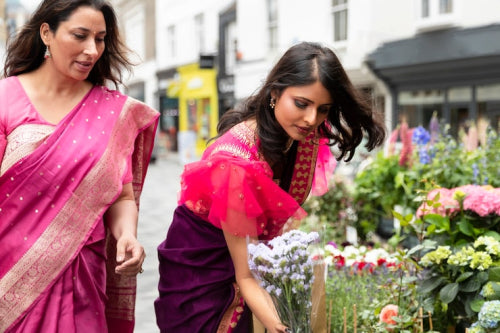
Walk through any Indian wedding today and you'll see it: young women in contemporary drapes alongside elders in classic styles, all celebrating the same heritage. The saree has become a living bridge, carrying memories, identity, and artistry from one era to the next.
Fast fashion erodes cultural heritage, sidelining artisans and reducing traditions to trends. At IndieHaat, we champion India's craftspeople with handcrafted sarees, apparel, décor, and skincare rooted in authenticity. Each piece embodies skill and ethical care. Support artisans and preserve India's timeless legacy Shop Now!
The Timeless Appeal of the Saree
Long before fast fashion dictated trends, the saree stood as a symbol of elegance and versatility. Its six yards of fabric can transform from modest to majestic with a simple adjustment of pleats or a change in blouse design. This adaptability has allowed it to survive shifting tastes and lifestyles across decades.
Across India's diverse regions, sarees tell local stories through their weaves, motifs, and colors. A Banarasi silk speaks of royal opulence, while a lightweight cotton Kota whispers of summer breezes and everyday grace. These regional identities give the garment a depth that mass-produced clothing rarely achieves.
Passing Down More Than Fabric
Many families treat heirloom sarees as treasured possessions, carefully preserved in wooden trunks or passed along during special occasions. A grandmother's wedding saree might reappear decades later on her granddaughter's engagement day, carrying whispered family histories and emotional weight far beyond its threads.
This transmission creates powerful connections. Younger women often discover their roots through these garments. They learn about the weavers, the festivals, and the occasions that once defined their ancestor's lives. The saree becomes a tangible link to personal and collective heritage.
Why Younger Generations Are Rediscovering the Saree
Far from being relegated to “traditional” events only, the saree is experiencing a vibrant revival among millennials and Gen Z. Social media has played a significant role, with creators showcasing innovative draping styles, fusion looks, and sustainable choices that resonate with modern values.
Many young wearers cite authenticity and sustainability as key reasons for their interest. Handloom sarees, crafted by skilled artisans using age-old techniques, align perfectly with growing awareness around ethical fashion and slow living. Wearing one feels like supporting living cultural practices rather than consuming disposable trends.
Contemporary styling has also helped. Pairing a classic silk saree with a cropped blouse or modern accessories allows younger women to express individuality without abandoning tradition. The garment's versatility makes it suitable for everything from college festivals to professional events and casual brunches.
Artisans and the Living Craft
Behind every beautiful saree stands the quiet dedication of weavers, dyers, and embroiderers who keep these traditions alive. Their hands preserve techniques that machines cannot replicate the subtle variations in handloom texture, the depth of natural dyes, and the intricate patterns passed down through apprenticeships.
These craftspeople are not relics of the past but active participants in the present. Many younger designers now collaborate directly with artisan communities, creating collections that honor traditional skills while introducing fresh designs that appeal to new audiences.
The Role of Sustainability in Saree Revival
In an era concerned with environmental impact, the saree offers a compelling alternative to fast fashion. Many traditional varieties use natural fibers and dyes that biodegrade more gracefully than synthetic alternatives. A well-made handloom saree can last decades, reducing the need for frequent replacements.
The global natural dyes market reflects this growing shift toward sustainable options in textiles and beyond. Consumers increasingly seek out pieces with transparent supply chains, where they can trace the journey from loom to wardrobe. This encourages a more mindful relationship with clothing, where each purchase carries meaning and supports communities rather than distant factories. Brands worldwide are turning to plant-based and biodegradable dyes, driven by consumer demand for non-toxic, eco-friendly alternatives in fashion.
Challenges and the Path Forward
Despite its enduring popularity, the saree faces real pressures. Economic changes have made some handloom varieties more expensive compared to power-loom or synthetic options. Urban lifestyles sometimes limit opportunities to wear draped garments regularly.
Yet these challenges have also sparked innovation. New fabric blends offer easier maintenance while retaining aesthetic appeal. Educational initiatives and cultural events help younger people appreciate the value and stories behind each piece. Regulatory support and industry interest in natural dyes continue to bolster artisan communities and sustainable practices in textile production.
Celebrating the Saree in Everyday Life
The beauty of the saree's cultural relevance lies in its flexibility. It can be grand for festivals and weddings, yet equally graceful for a quiet family dinner or a creative workday. This range allows it to remain part of daily life rather than being reserved for special occasions alone.
Families that actively incorporate sarees into regular celebrations help ensure the tradition stays vibrant. Simple acts like wearing one to a cultural program or gifting a meaningful piece keep the connection alive across age groups.
Looking Ahead: A Garment for All Generations
The saree's journey shows no signs of ending. As global interest in sustainable and culturally rich fashion grows, this ancient garment finds itself surprisingly relevant in modern conversations about identity, craftsmanship, and conscious consumption.
Its ability to evolve while staying true to its essence is perhaps its greatest strength. Whether draped in classic style or reimagined with contemporary flair, the saree continues to weave together past, present, and future in one graceful length of cloth.
Next time you see a young woman confidently carrying off a saree with her own distinctive touch, remember that she is not just wearing fashion she is participating in a living tradition that has gracefully adapted across generations. In its folds, culture doesn't merely survive; it thrives.
Frequently Asked Questions
Why are younger generations like millennials and Gen Z showing renewed interest in wearing sarees?
Younger generations are rediscovering sarees due to a combination of social media influence, sustainability values, and modern styling flexibility. Creators online showcase innovative draping styles and fusion looks that make the garment feel fresh and personal. Handloom sarees also align with the growing ethical fashion movement, as they support skilled artisans and use eco-friendly materials making wearing one feel like a meaningful cultural statement rather than just a fashion choice.
How do sarees connect families across generations and preserve cultural heritage?
Heirloom sarees are often passed down through families during significant milestones a grandmother's wedding saree, for instance, might be worn again at a granddaughter's engagement. This tradition creates a tangible link to personal and collective heritage, helping younger women learn about ancestral weavers, festivals, and cultural practices. The saree effectively acts as a living archive, carrying family memories and identity woven into every thread.
Are sarees a sustainable and eco-friendly fashion choice?
Yes traditional handloom sarees are one of the more environmentally responsible clothing options available today. Many varieties use natural fibers and plant-based dyes that biodegrade far more gracefully than synthetic alternatives, and a well-made saree can last for decades, reducing the cycle of fast fashion waste. The growing global demand for natural dyes and transparent supply chains has further boosted artisan communities, making saree purchases a way to support both the environment and local craft traditions.
Disclaimer: The above helpful resources content contains personal opinions and experiences. The information provided is for general knowledge and does not constitute professional advice.
You may also be interested in: How Traditional Weaving Techniques Are Preserved Across
Fast fashion erodes cultural heritage, sidelining artisans and reducing traditions to trends. At IndieHaat, we champion India's craftspeople with handcrafted sarees, apparel, décor, and skincare rooted in authenticity. Each piece embodies skill and ethical care. Support artisans and preserve India's timeless legacy Shop Now!
Powered by flareAI.co