Saree Styles for the Modern Woman in 2026
Quick Listen:
As 2026 unfolds, the saree stands as a powerful symbol of cultural continuity and forward-thinking style. Modern women in India, the US, Singapore, Australia, the UK and the UAE are embracing this timeless garment with fresh confidence, transforming it from ceremonial wear into an everyday essential and a bold fashion statement. This evolution captures a global dialogue between heritage and innovation, allowing women to express identity, comfort and sophistication across diverse settings from bustling Mumbai offices to elegant Dubai soirées.
Fast fashion erodes cultural heritage, sidelining artisans and reducing traditions to trends. At IndieHaat, we champion India's craftspeople with handcrafted sarees, apparel, décor and skincare rooted in authenticity. Each piece embodies skill and ethical care. Support artisans and preserve India's timeless legacy Shop Now!
Emerging Trends Shaping Saree Styles in 2026
The saree of 2026 prioritizes effortless elegance, sustainability and creative fusion. Pre-draped sarees have become a dominant force, delivering the grace of traditional draping with the convenience modern lifestyles demand. In India, designers favor lightweight fabrics such as organza and chiffon, which suit the warm climate while enabling fluid, modern silhouettes like mermaid drapes and pant-style variations that refresh the classic Nivi fold.
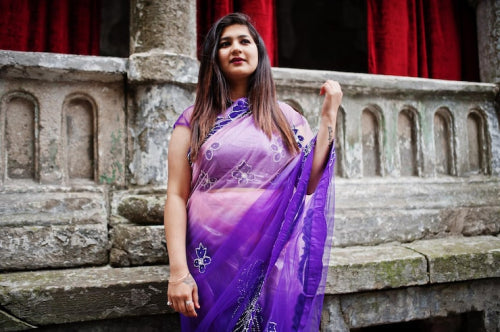
In the US and UK, South Asian communities drive fusion experimentation, pairing sarees with corset blouses or off-shoulder designs to merge Eastern roots with Western tailoring. Soft pastel shades peach, lavender and muted rose prevail for their versatile, approachable appeal in daily and professional contexts. Singapore and Australia see a surge in bolder geometric and floral prints, reflecting multicultural influences and a taste for vibrant self-expression during festivals and social gatherings. In the UAE, metallic finishes and sequined details dominate evening wear, aligning with the region's appreciation for luxurious, eye-catching glamour.
Fabric Innovations at the Forefront
Fabric choices define these shifts. Organza leads with its sheer sophistication, ideal for layered, dimensional looks without added weight. Velvet and silk bring opulence to festive occasions, while handloom cotton and eco-friendly blends attract sustainability-minded consumers in Australia and the UK. Ombre transitions, moving from gentle pastels to richer hues, resonate strongly in Singapore, embodying the seamless blend of tradition and contemporary flair.
Real-World Examples Across Regions
In India, bridal collections highlight pastel silks and intricate handloom weaves, with Mumbai fashion showcases emphasizing lightweight drapes for extended wear during ceremonies. A Delhi bride today might choose a pre-pleated saree gown, complemented by standout jewelry that celebrates personal style.
In New York and other US hubs, professionals adapt georgette sarees over tailored pants for polished, culturally resonant office attire. Singapore's cross-cultural events feature cheongsam-inspired sarees with striking prints, showcasing adaptability in a dynamic urban environment. Australian women embrace belted sarees at summer festivals, prioritizing comfort in relaxed, sunlit settings. In the UK, vintage floral motifs on slips appear at garden gatherings, drawing inspiration from London runways. UAE social scenes favor sequined and Banarasi sarees paired with gold accents for high-profile occasions in Dubai.
Urban Case Studies
Dubai influencers merge lehenga-style sarees with contemporary blouses for Eid festivities, illustrating cultural adaptation. Sydney community events spotlight ruffled sarees, adding playful layers that suit Australia's casual sophistication. These instances reveal the saree's remarkable ability to transcend borders and contexts.
Challenges Facing the Modern Saree
Despite its popularity, practical barriers persist. Time constraints in fast-paced cities across the US and Singapore often favor pre-draped options, potentially diminishing traditional draping skills. Sustainability concerns arise as fast-fashion alternatives in the UK and UAE threaten artisan communities, even as handloom revivals gain ground in India and Australia.
Body inclusivity remains uneven, with some styles suiting certain figures better and heavier luxurious fabrics sometimes clashing with warmer climates in the UAE. Authentic, high-quality pieces can also carry a premium that limits accessibility for some consumers.
Opportunities and Broader Impacts
The saree's resurgence creates fertile ground for creativity and commerce. In India, strong demand for wedding and personalized jewellery supports complementary accessories think finely crafted gold necklaces and beaded earrings that elevate saree ensembles. The growing appreciation for handmade pieces worldwide underscores the value of artisan skill, with each item offering unique durability and personal artistry through techniques like carving and soldering, often using recycled precious metals.
E-commerce platforms in Singapore and the UK leverage augmented reality tools for virtual try-ons, broadening access. Brands in Australia and the US capitalize on fusion aesthetics to drive cultural exchange and export growth. Supply-chain innovations, including ethical sourcing, enhance efficiency, while omnichannel retail strategies expand market reach and consumer choice.
- Economic Ripple Effects: Wedding-related demand in India fuels craftsmanship and organized retail, supporting livelihoods across regions.
- Luxury Integration: In the UAE, sarees paired with opulent gold jewellery enhance fashion tourism and high-end appeal.
Expert Perspectives and Looking Ahead
Industry voices foresee deeper personalization, with AI-assisted custom draping likely mainstream within the decade. As one Mumbai designer observes, the saree has evolved into a powerful declaration of identity rather than mere clothing. In the US and UK, greater focus on inclusive sizing promises wider representation.
Practical Recommendations for Today's Woman
Begin with adaptable staples like a pastel organza saree, elevated by handmade gold earrings for balanced elegance. Explore draping variations such as the belted style for a defined silhouette or embrace sustainability through handloom selections from Indian weavers. These choices ensure versatility across occasions and climates.
A Garment That Endures and Evolves
In 2026, the saree bridges continents and generations, empowering women from India's vibrant streets to the UAE's glittering events. It adapts seamlessly, inspires creativity and remains profoundly relevant. Embrace its possibilities with assurance whether in Singapore's energetic pulse or Australia's open horizons, the saree is yours to redefine.
Frequently Asked Questions
What are the most popular saree styles for modern women in 2026?
In 2026, pre-draped sarees are among the most sought-after styles, offering the elegance of traditional draping with everyday convenience. Lightweight fabrics like organza and chiffon are favored for fluid silhouettes such as mermaid drapes and pant-style variations. Fusion styles pairing sarees with corset or off-shoulder blouses are also trending, especially among South Asian communities in the US and UK.
Which saree fabrics are trending in 2026 for different occasions?
Organza is a top choice for its sheer, layered look without added weight, while velvet and silk remain popular for festive and bridal occasions. Sustainability-conscious shoppers in Australia and the UK are gravitating toward handloom cotton and eco-friendly blends. For evening wear, especially in the UAE, metallic finishes and sequined fabrics deliver the luxurious glamour the region is known for.
How can modern women style sarees for professional and everyday wear?
Modern women are increasingly styling georgette sarees over tailored trousers for a polished, office-ready look that blends cultural heritage with contemporary professionalism. Soft pastel shades like peach, lavender and muted rose are particularly versatile for both daily and work settings. Accessorizing with handmade gold earrings or minimalist jewelry helps strike the right balance between elegance and practicality across different occasions.
Disclaimer: The above helpful resources content contains personal opinions and experiences. The information provided is for general knowledge and does not constitute professional advice.
You may also be interested in: Hybrid Fashion Styles Blend Tradition and Contemporary Elements
Fast fashion erodes cultural heritage, sidelining artisans and reducing traditions to trends. At IndieHaat, we champion India's craftspeople with handcrafted sarees, apparel, décor and skincare rooted in authenticity. Each piece embodies skill and ethical care. Support artisans and preserve India's timeless legacy Shop Now!
Powered by flareAI.co