
Saree Discount Online: How to Find Deals Without Compromise
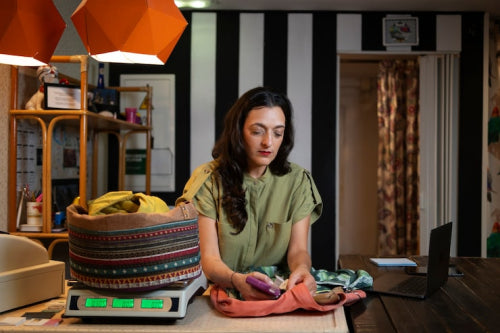
At a bustling pop-up in Dubai, the air hums with excitement as women drape vibrant handwoven sarees over their shoulders, each thread telling a story of craftsmanship. A young buyer, clutching a silk Banarasi, beams at the discounted price. “It's stunning, and I know it's authentic,” she says, her trust earned by the artisan's name woven into the label. This scene reflects a global surge in demand for handcrafted sarees, where savvy shoppers seek deals without sacrificing quality. For IndieHaat, a platform dedicated to artisan-made fashion, the challenge is clear: deliver value while preserving the integrity of India's handloom heritage.
The Rise of Ethical Saree Shopping
The saree, a six-yard canvas of culture, is no longer confined to India's borders. The Indian saree market, valued at $5.76 billion in 2024, is set to reach $10.33 billion by 2033, growing at a 6.7% CAGR. This growth stems from a rising preference for sustainable handlooms, backed by initiatives like GI tags and the Handloom Mark, which ensure authenticity and support weavers. E-commerce has supercharged this trend, with AI-driven personalization and virtual try-ons making sarees accessible to buyers in India, the US, Singapore, Australia, UK, and UAE. Celebrity endorsements and eco-conscious branding are also drawing younger crowds, boosting the market's appeal.
Yet, the hunt for discounts can be a minefield. Festival seasons like Diwali or Christmas see sales soar by 60%, according to industry insights, with platforms leveraging Instagram, Facebook, and YouTube to offer flash sales. IndieHaat's social media presence, including accounts like anilarubyraj, showcases exclusive deals. But not every discount delivers value. Some platforms peddle machine-made imitations, leaving buyers with faded fabrics and broken trust.
Spotting Authentic Deals
Navigating the world of online saree shopping demands vigilance. IndieHaat sets itself apart with transparent pricing and curated collections that celebrate artisans. Each saree, whether a linen Chanderi or a cotton Jamdani, comes with a story perhaps crafted by a weaver in West Bengal. This addresses a key buyer concern: trust. Many hesitate, wary of high prices or unable to feel the fabric before buying. IndieHaat counters this with detailed descriptions, artisan certifications, and customer reviews, ensuring a discounted silk saree is as authentic as it is affordable.
Buyers should look for specifics: the loom type, the artisan community, or the natural dyes used. IndieHaat's Instagram, like varshaoak, offers videos of weavers at work, reinforcing authenticity. Compare this to aggregator sites, where vague terms like “handcrafted” obscure mass-produced origins. A savvy shopper's checklist includes verifying certifications like the Handloom Mark and avoiding deals with inflated MRPs that exaggerate savings. IndieHaat's clear pricing model helps buyers sidestep these traps.
IndieHaat's Ethical Discount Model
IndieHaat's recent campaign for a handblock-printed cotton saree shows how discounts can align with ethics. Offered at a 25% discount during a festive sale, the saree's price cut didn't shortchange artisans; IndieHaat absorbed the margin to ensure fair wages. A buyer from Singapore shared her joy on svishala74, praising the saree's intricate motifs and soft texture. This reflects IndieHaat's core strengths: handmade items, unique designs, and pure fabrics like linen, silk, and cotton, which resonate with eco-conscious shoppers.
Loyalty programs amplify value. First-time buyers in Australia might use a referral code for 15% off, while repeat customers earn points for future purchases. These strategies drive sales while fostering a community that values craftsmanship. The ethnic wear market, valued at $108.07 billion in 2024 and projected to hit $198.18 billion by 2033, sees a 40% rise in artisan wear demand, with IndieHaat leading by prioritizing quality over volume.
The Risks of Discount Culture
Discounts can deceive. The handloom sarees market, worth $3.72 billion in 2024 and expected to reach $7.29 billion by 2032, faces threats from counterfeit “handlooms” flooding sales seasons. These machine-made fakes, often sold on third-party sites, unravel quickly, leaving buyers frustrated. Poor after-sale support think rigid return policies or unresponsive service adds to the risk. IndieHaat tackles these objections with clear return policies and WhatsApp support, ensuring buyers feel secure despite not touching the fabric first.
Misleading discounts are another hurdle. A saree touted at 80% off might have an inflated original price, creating a false sense of savings. “I bought a ‘handwoven' saree from a discount site,” a US-based customer posted on drminimalhotra. “It was synthetic and stiff. Now I stick to IndieHaat.” Non-standardized descriptions further confuse, with terms like “artisan-made” used loosely. IndieHaat's curated listings, verified by artisans, cut through this noise, offering clarity and trust.
The Impact of Ethical Discounting
Ethical discounting isn't just good for buyers; it reshapes the market. Asia Pacific holds a 68.82% share of the global handloom market, with cross-border demand surging in the UAE and UK. IndieHaat's promotional campaigns, often paired with artisan stories, boost visibility. A video of a weaver in Tamil Nadu can drive sales by 35%, per industry data, connecting buyers to the craft's human side. This builds trust, encouraging repeat purchases and fostering loyalty.
For sellers, ethical discounting means long-term gains. IndieHaat's focus on quality never compromising on pure fabrics or artisan wages sets it apart from aggregators. The luxury e-commerce sector in India, valued at $6 billion, is shifting online, with platforms like IndieHaat leveraging social commerce to reach wealthy buyers. Meanwhile, 50% of Gen Z prefer fusion styles, blending tradition with modernity, a trend IndieHaat capitalizes on with curated collections.
Smart Shopping for a Sustainable Future
Finding a great saree deal doesn't mean cutting corners. IndieHaat's curators advise focusing on craftsmanship: check the weave's origin, ask about the artisan, and verify certifications. Social media offers real-time insights follow accounts like ani_lakshmi for customer reviews and styling tips. If in doubt, reach out via WhatsApp; a trusted platform will respond promptly.
The future sparkles with possibility. AR try-ons, used by 20% of online shoppers, and AI-driven style matching are making purchases more personal. The ethnic wear market expects 35% of sales to come from e-commerce by 2033, with sustainable fabrics gaining 60% traction. IndieHaat stands at this crossroads, proving that a deal can honor both the buyer's wallet and the weaver's craft. As the market grows, projected to hit $7.29 billion by 2032, choosing a saree from IndieHaat means investing in a legacy one thread, one story, one ethical choice at a time.
Frequently Asked Questions
How can I find authentic handwoven saree discounts online without getting scammed?
Look for platforms that provide transparent pricing, artisan certifications, and detailed descriptions including loom type, weaving community, and natural dyes used. Verify certifications like the Handloom Mark and avoid deals with inflated original prices that create false savings. Trusted platforms like IndieHaat offer curated collections with artisan stories and clear return policies to ensure authenticity.
What should I check before buying discounted sarees online to ensure quality?
Always verify the saree's origin story, including the specific artisan community and weaving technique used. Check for detailed fabric descriptions (pure silk, cotton, or linen), read customer reviews, and look for social media content showing weavers at work. Avoid vague terms like "handcrafted" on aggregator sites and ensure the platform offers responsive customer support and flexible return policies.
Are online saree discounts during festival seasons like Diwali genuine deals?
Many festival season discounts are genuine, with sales typically increasing by 60% during celebrations like Diwali and Christmas. However, be cautious of machine-made imitations being sold as handlooms during peak seasons. Ethical platforms absorb their own margins to offer real discounts while maintaining fair artisan wages, so focus on retailers with transparent pricing models and verified artisan partnerships rather than just the discount percentage.
Disclaimer: The above helpful resources content contains personal opinions and experiences. The information provided is for general knowledge and does not constitute professional advice.
You may also be interested in: Shop Pure Silk Mark Certified Sarees Online At Best Price
Fast fashion erodes cultural heritage, sidelining artisans and reducing traditions to trends. At IndieHaat, we champion India's craftspeople with handcrafted sarees, apparel, décor, and skincare rooted in authenticity. Each piece embodies skill and ethical care. Support artisans and preserve India's timeless legacy Shop Now!
Powered by flareAI.co